Urea-based compounds are fundamental raw materials across multiple industries, especially in textile auxiliaries, agriculture, and chemical manufacturing. With its simple yet highly reactive molecular composition, urea serves as the foundation for a wide range of functional derivatives, including 1 3 dimethylurea. This article provides a detailed analysis of the urea chemical makeup, structural characteristics, and global industrial applications, closely aligned with real production practices.
1. Core Application Principles: Urea Chemical Makeup and Reaction Mechanism
The effectiveness of urea in industrial applications originates from its molecular structure and chemical reactivity. Understanding the urea chemical name and formula is essential to analyzing its behavior in various systems.
1.1 Urea Chemical Structure and Formula
The urea chemical name and formula refer to carbamide, with the molecular composition CO(NH₂)₂. This is also commonly described as the urea formula in chemistry and the urea compound formula, both pointing to the same structural representation.
Although urea does not have a traditional elemental symbol, the urea chemical symbol is often expressed through its molecular formula. The urea formula name “carbamide” reflects its origin from carbonic acid derivatives.
From a structural perspective, the urea crystal structure is stabilized by extensive hydrogen bonding between molecules. This intermolecular interaction contributes to its solid-state stability and solubility in water, making it suitable for industrial processing.
The urea equation for industrial synthesis typically involves ammonia and carbon dioxide under high pressure:
CO₂ + 2NH₃ → CO(NH₂)₂ + H₂O
This reaction forms the basis for large-scale production worldwide.
1.2 Functional Properties and Urea Clathrate Formation
One unique property of urea is its ability to form urea clathrate structures. In these systems, urea molecules create channel-like frameworks that can trap guest molecules such as hydrocarbons. This property is widely used in petrochemical separation and purification processes.
Additionally, the urea chemical makeup enables strong interactions with hydroxyl groups, making it highly effective in crosslinking and modification reactions. When modified into derivatives like 1 3 dimethylurea, the compound gains enhanced reactivity, thermal stability, and compatibility with various formulations.
2. Industrial Applications and Global Practices of Urea and Its Derivatives
Based on global industrial practices across Europe, America, and Asia, urea and its derivatives are widely applied in textile auxiliaries, fertilizers, and advanced materials.
2.1 Textile Auxiliary Applications (Core Global Usage)
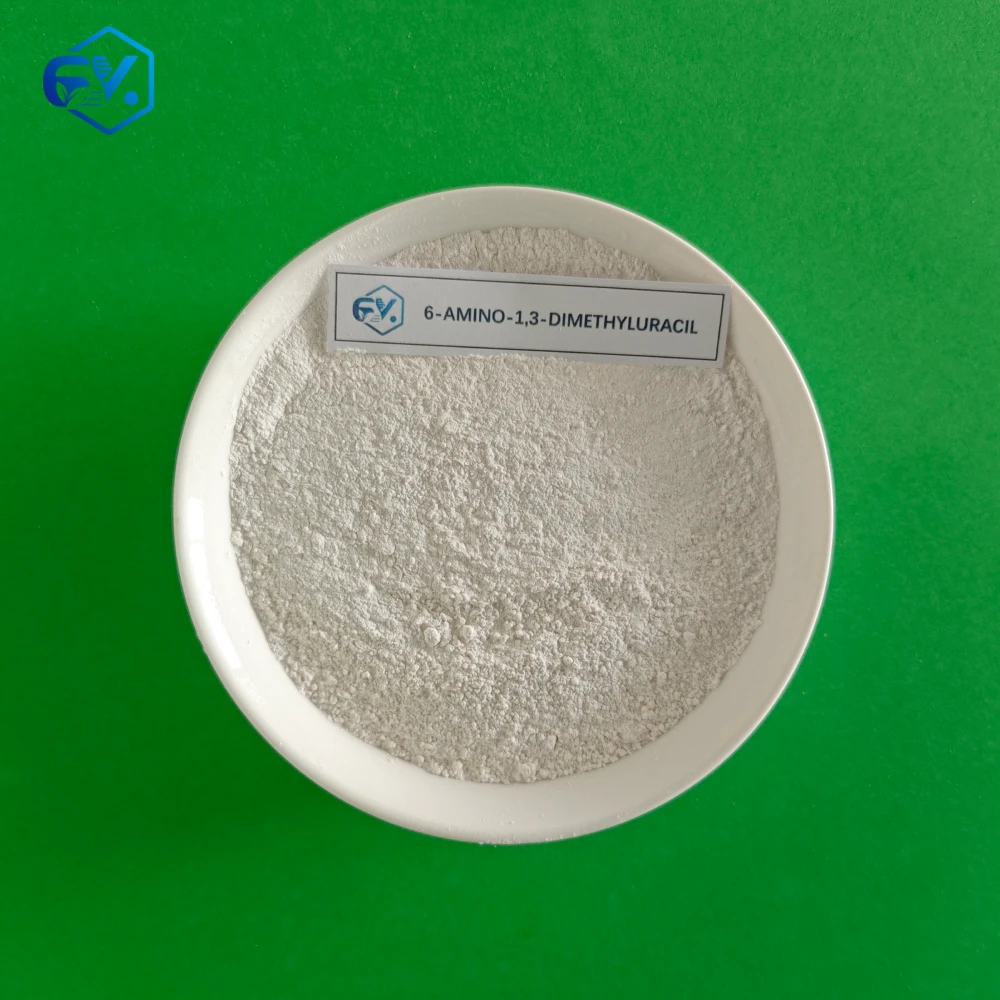
The most important application of 1 3 dimethylurea is in textile finishing agents. As a key intermediate, it provides crosslinking, fixation, and modification functions in environmentally friendly textile auxiliaries.
Application Mechanism
In textile processing, 1 3 dimethylurea contains reactive groups that can interact with hydroxyl (-OH) groups on cellulose fibers such as cotton and viscose. During finishing processes, it reacts with resins and functional additives to form a stable three-dimensional network.
This network provides fabrics with:
- Wrinkle resistance
- Easy-care (non-ironing) performance
- Durable press properties
- Improved dye fixation
Its major advantage lies in replacing traditional formaldehyde-based agents, supporting the development of eco-friendly, low-formaldehyde textile auxiliaries.
Global Enterprise Applications
Across global markets, leading textile chemical companies utilize 1 3 dimethylurea in large-scale production:
European companies focus on high-end, eco-friendly finishing agents for premium textiles.
American companies emphasize durability and washing resistance in home textiles and garments.
Asian manufacturers prioritize cost-effective solutions for large-scale cotton textile processing.
Despite regional differences, the core application logic remains consistent: leveraging the urea chemical makeup for crosslinking and stabilization.
2.2 Additional Applications: Petrochemical, Fertilizer, and Chemical Industry
Beyond textiles, urea plays a vital role in other industrial sectors.
Petrochemical Industry: Urea Clathrate Technology
The formation of urea clathrate structures is widely used for separating linear hydrocarbons from complex mixtures. This process is particularly valuable in refining and petrochemical production, where purity is critical.
Fertilizer Industry
Urea remains one of the most important nitrogen fertilizers globally. Its urea compound formula allows efficient nitrogen delivery to crops, supporting agricultural productivity. The simple urea formula in chemistry ensures cost-effective large-scale production.
Chemical Manufacturing
The urea equation serves as the foundation for producing various downstream chemicals. Through modification and urea chemical makeup optimization, manufacturers develop resins, adhesives, and coatings.
Urea and its derivatives continue to play a central role in modern industrial systems due to their adaptable structure and versatile reactivity. From the fundamental urea chemical name and formula to advanced applications like urea clathrate and textile auxiliaries based on 1 3 dimethylurea, these compounds offer unmatched functionality.
As global industries move toward sustainability and high performance, innovations in urea-based chemistry will further expand their applications. Understanding the urea crystal structure, urea equation, and overall urea chemical makeup is essential for leveraging these materials in next-generation industrial solutions.
FAQ: Urea Chemical Makeup, Formula, and Applications
1. What is the urea chemical name and formula?
The urea chemical name and formula refer to carbamide with the molecular formula CO(NH₂)₂, also known as the urea formula in chemistry.
2. What is the urea chemical symbol and compound formula?
The urea chemical symbol is typically represented by its molecular formula, while the urea compound formula is CO(NH₂)₂, describing its atomic composition.
3. What is the urea crystal structure and why is it important?
The urea crystal structure is formed through hydrogen bonding, providing stability and solubility, which are essential for industrial processing.
4. What is urea clathrate and where is it used?
Urea clathrate is a structure where urea forms channels that trap other molecules, commonly used in petrochemical separation processes.
5. How is 1 3 dimethylurea used in industry?
1 3 dimethylurea is widely used in textile auxiliaries as a crosslinking agent, improving wrinkle resistance, durability, and environmental performance.












 English
  Arabic
  Belarusian
  Bengali
  Bulgarian
  Finnish
  French
  German
  Hebrew
  Hindi
Hindi  Hungarian
  Indonesian
  Italian
  Japanese
  Korean
  Persian
  Portuguese
  Russian
  Spanish
  Turkish