









Feb . 01, 2026
Today, the demand for cleaner, safer surfaces and products has moved from a niche preference to a global expectation. From hospital equipment and food packaging to everyday consumer electronics and high-touch public infrastructure, there is a powerful drive to integrate hygiene directly into the materials we use. This is where the advanced science of additives of plastics plays a transformative role. By incorporating specialized antibacterial additives of plastics during plastic additive manufacturing, producers can create materials that actively inhibit the growth of bacteria, molds, and other microbes, offering long-lasting protection and added value. This article explores the pivotal trends shaping this dynamic field and highlights how key additives of plastics, including specialized plasticiser technologies, are enabling a new generation of hygienic plastics.
The integration of antibacterial properties into plastics is no longer a luxury but a critical functional requirement across industries. This demand is fueled by heightened public health awareness, stringent regulations in medical and food-contact applications, and a growing desire for "self-cleaning" or low-maintenance products. At its core, antibacterial functionality is achieved by incorporating specific additives of plastics into the polymer matrix during plastic additive manufacturing. These agents work through various mechanisms, such as disrupting microbial cell walls, interfering with metabolic processes, or preventing cell reproduction.
Common active ingredients include silver ions, zinc oxide, copper compounds, and organic biocides. The choice of agent depends heavily on the target application, required efficacy spectrum, regulatory approvals (like EU BPR or FDA), and compatibility with the base polymer. For instance, a plasticiser used in flexible PVC for medical tubing must not only provide flexibility but also be compatible with and not interfere with the chosen antibacterial agent. The effectiveness of these additives of plastics is measured by international standards (e.g., ISO 22196, JIS Z 2801) that quantify their ability to reduce bacterial populations on plastic surfaces, providing manufacturers with verifiable claims for their end products.
Successfully creating an effective antibacterial plastic hinges on sophisticated plastic additive manufacturing processes. It is not merely about mixing an active ingredient into resin; it is a precise science of ensuring even distribution, long-term stability, and consistent performance. A primary challenge is achieving and maintaining a homogeneous dispersion of the antibacterial particles throughout the polymer melt. Agglomeration can lead to weak spots in protection and compromise the material's mechanical properties. Advanced masterbatch technologies and specialized compounding techniques are therefore critical trends, enabling high loading levels of active agents without sacrificing processability or final product integrity.
Furthermore, the interaction between various additives of plastics within a formulation is crucial. An antibacterial agent must coexist with other essential components like heat stabilizers, UV inhibitors, and plasticisers without negative interactions. For example, in flexible PVC applications common in healthcare, the plasticiser must be selected not only for its flexibility and durability but also for its inertness towards the antibacterial system to ensure the antimicrobial function persists throughout the product's lifespan. This underscores the importance of holistic formulation design in modern plastic additive manufacturing, where every component is selected for synergy, driven by partners with deep application knowledge and technical expertise.
While often primarily associated with flexibility, the role of a plasticiser in formulations requiring antibacterial properties is far more complex and influential. In applications like medical-grade PVC (used in bags, tubing, and device housings), soft touch grips, or hygienic flooring, the plasticiser constitutes a significant portion of the final compound. Its chemical nature can profoundly impact the efficacy and longevity of the antibacterial additives of plastics.
A key trend is the shift towards high-performance, non-migrating plasticisers. Traditional phthalate-based plasticisers can sometimes migrate to the surface, potentially creating a film that can trap or even deactivate antibacterial agents, or worse, provide a nutrient source for microbes. Modern alternatives, such as polymeric or bio-based plasticisers, offer superior permanence. This stability is critical because it ensures the antibacterial agents remain accessible and effective at the plastic's surface—the point of contact with microbes. Therefore, selecting the right plasticiser is a strategic decision in plastic additive manufacturing for hygiene-critical products, impacting not just physical properties but also the sustained antimicrobial performance that end-users rely on. It transforms the plasticiser from a mere softener into a foundational element of a functional, hygienic material system.
Navigating the complex landscape of antibacterial plastics requires more than just sourcing ingredients; it demands a partnership with a technically proficient and globally compliant supplier. Formulators face the dual challenge of meeting exacting performance targets while adhering to a web of international regulations concerning biocidal products, food contact, and medical devices. A supplier's expertise in plastic additive manufacturing and their portfolio of compatible intermediates become invaluable assets.
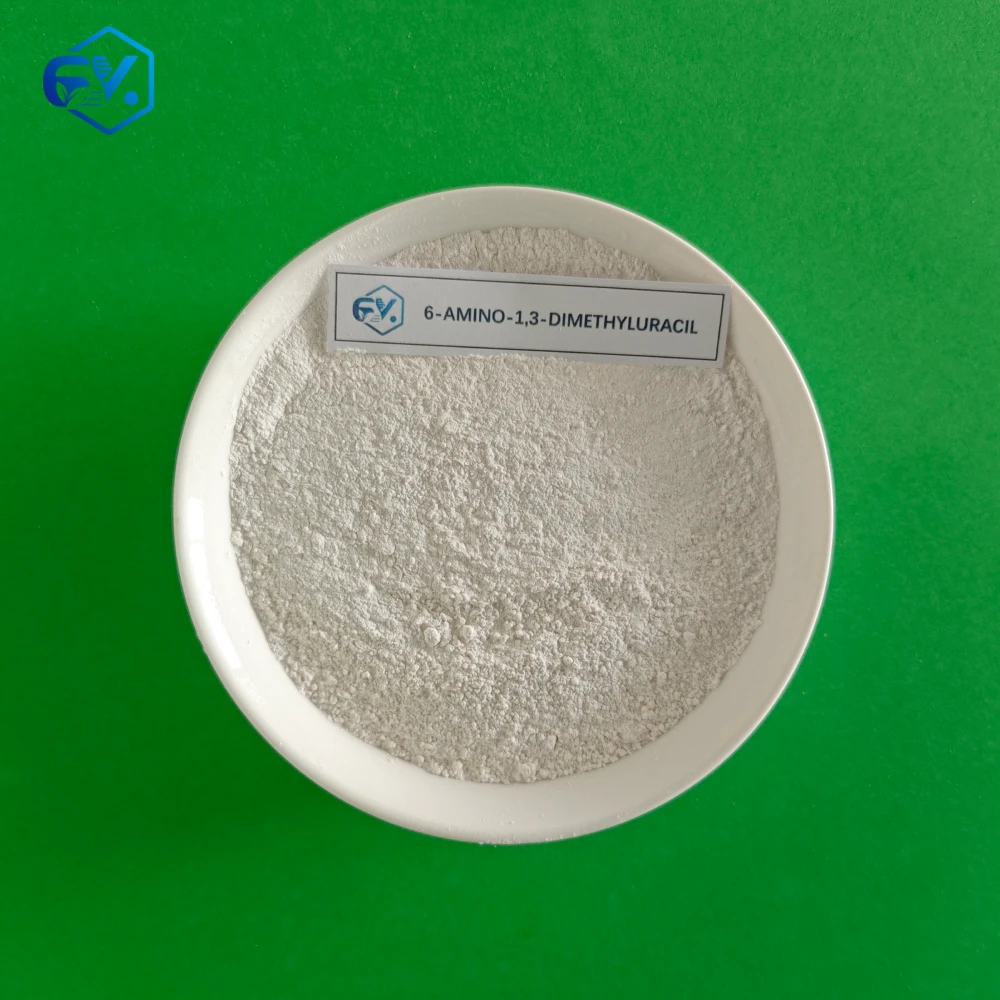
A partner like Hebei Guangxing Chemical Co., Ltd., with its focus on high-purity chemical intermediates, exemplifies this supportive role. As a high-tech enterprise and a key member of the Plastic Additive Professional Committee, Guangxing's deep understanding of polymer chemistry, particularly in PVC systems, is crucial. Their flagship product, 6-Amino-1,3-dimethyluracil, serves as a vital intermediate for synthesizing advanced, environmentally friendly heat stabilizers and other functional additives of plastics. The importance of such high-quality intermediates cannot be overstated; they form the reliable chemical backbone for complex additive systems. Furthermore, Guangxing's commitment to global standards—evidenced by EU REACH registrations for its key products and ISO 9001-certified manufacturing—provides formulators with confidence in supply chain consistency and regulatory compliance. This allows plastic manufacturers to concentrate on innovation and application development, backed by a supply partner dedicated to quality and technical advancement in the field of additives of plastics.
Incorporating advanced antibacterial additives of plastics delivers significant advantages beyond basic functionality. These specialized additives create inherently hygienic materials that actively inhibit microbial growth on surfaces, reducing contamination risks in medical, packaging, and consumer applications. For manufacturers, this translates to products with enhanced safety profiles, reduced maintenance requirements, and stronger market differentiation. The integration of these additives during plastic additive manufacturing processes ensures lasting protection that withstands repeated use and cleaning cycles, adding substantial value throughout the product lifecycle.
Maintaining consistent antibacterial performance requires precise engineering throughout the plastic additive manufacturing process. We employ advanced masterbatch technologies that ensure uniform dispersion of active agents within the polymer matrix. This technical approach prevents particle agglomeration and ensures each antibacterial component functions optimally at the material's surface—exactly where microbial contact occurs. Our manufacturing protocols maintain strict control over temperature, shear forces, and mixing parameters to preserve the integrity and effectiveness of these specialized additives of plastics, guaranteeing reliable performance in final products.
Modern plasticiser technology has evolved to complement rather than compromise antibacterial functionality. High-performance plasticiser formulations are specifically engineered for compatibility with antimicrobial additives of plastics, ensuring no interference with their protective mechanisms. We focus on developing and recommending plasticiser systems that maintain both the required material flexibility and the sustained efficacy of antibacterial agents. This synergy is particularly crucial in applications like medical devices and food packaging, where material properties and hygiene standards must coexist without compromise throughout the product's service life.
Global regulatory compliance forms the foundation of our antibacterial additives of plastics development. Our formulations adhere to international standards including EU BPR (Biocidal Products Regulation), FDA requirements for food-contact applications, and REACH chemical safety protocols. As a manufacturer with EU REACH registered intermediates and ISO-certified production systems, we ensure that the antibacterial solutions we support meet the stringent requirements of markets worldwide. This comprehensive compliance framework provides manufacturers with confidence when developing products for distribution across different regulatory jurisdictions.
We provide comprehensive technical partnership for developing customized antibacterial solutions in plastic additive manufacturing. Our support encompasses formulation design, compatibility testing with various polymer systems and plasticiser types, and performance validation against international antimicrobial standards. This collaborative approach enables manufacturers to efficiently develop specialized materials that meet exact application requirements—whether for healthcare equipment, consumer goods, or industrial components—while optimizing both functionality and production economics.
The future of plastics is proactive. By strategically integrating advanced antibacterial additives of plastics through precise plastic additive manufacturing and compatible plasticiser systems, we can create inherently safer, higher-value materials. This evolution requires deep technical collaboration to turn hygiene from a feature into a fundamental property, building a cleaner world through intelligent material science.
The Role of Chemical Intermediates in Modern Industry and Pharmaceuticals


 English
  Arabic
  Belarusian
  Bengali
  Bulgarian
  Finnish
  French
  German
  Hebrew
  Hindi
Hindi  Hungarian
  Indonesian
  Italian
  Japanese
  Korean
  Persian
  Portuguese
  Russian
  Spanish
  Turkish