









Feb . 01, 2026
In the complex and highly regulated world of pharmaceutical manufacturing, the journey from a scientific molecule to a safe, effective medicine is a marathon, not a sprint. This journey is facilitated by critical components known as APIs and intermediates. For industry professionals, sourcing managers, and R&D teams, grasping the pharmaceutical intermediates meaning is fundamental to ensuring supply chain resilience, cost efficiency, and ultimate drug quality. This article will demystify these essential concepts, explore the role of reliable pharma intermediates manufacturers, and illustrate how a company's expertise, like that of Hebei Guangxing Chemical, is pivotal in this global ecosystem.
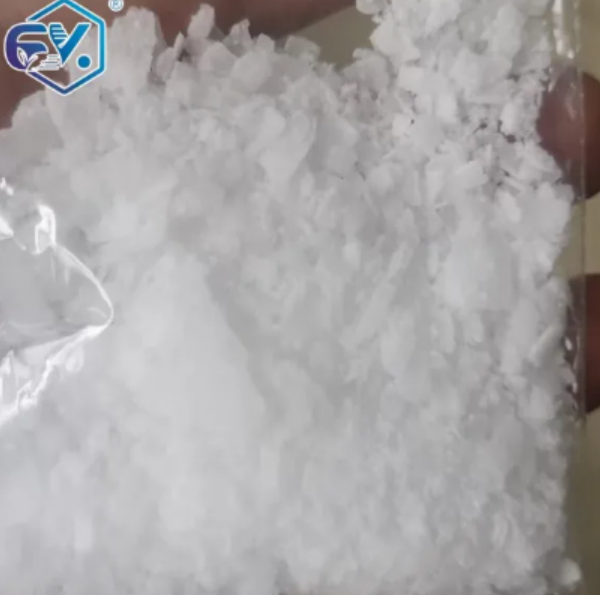
At its simplest, the pharmaceutical intermediates meaning refers to chemical compounds that are produced during the step-by-step synthesis of an Active Pharmaceutical Ingredient (API) – the biologically active component in any drug. Think of building a intricate skyscraper. You don't assemble it from raw steel and glass alone; you first create pre-fabricated sections like girders, floor panels, and window units. Similarly, an API synthesis might require 5 to 15 distinct chemical steps. The substances produced at each of these steps, before reaching the final API, are the pharmaceutical intermediates. They are the crucial "building blocks" or "stepping stones" in the chemical pathway. Understanding the pharmaceutical intermediates meaning is key because the purity, stability, and specifications of each intermediate directly dictate the quality, yield, and safety of the final API. They represent both a point of control and a point of potential vulnerability in the manufacturing process.
To fully appreciate the pharmaceutical intermediates meaning, one must understand their place in the hierarchy of drug production. The relationship between APIs and intermediates is sequential and interdependent.
The journey from basic chemical starting materials to a certified API is a value chain. Each intermediate stage adds complexity, purity requirements, and cost. Therefore, the efficiency, cost-control, and scalability of producing high-quality APIs and intermediates are what separate leading pharma intermediates manufacturers from the rest. Specialized manufacturers focus on mastering the complex chemistry of specific intermediate steps, offering expertise that final API producers rely upon.
Why are specialized pharma intermediates manufacturers so vital? Producing intermediates is not merely basic chemical synthesis; it is a discipline requiring deep technical expertise, stringent quality control, and significant regulatory awareness. Reputable pharma intermediates manufacturers provide:
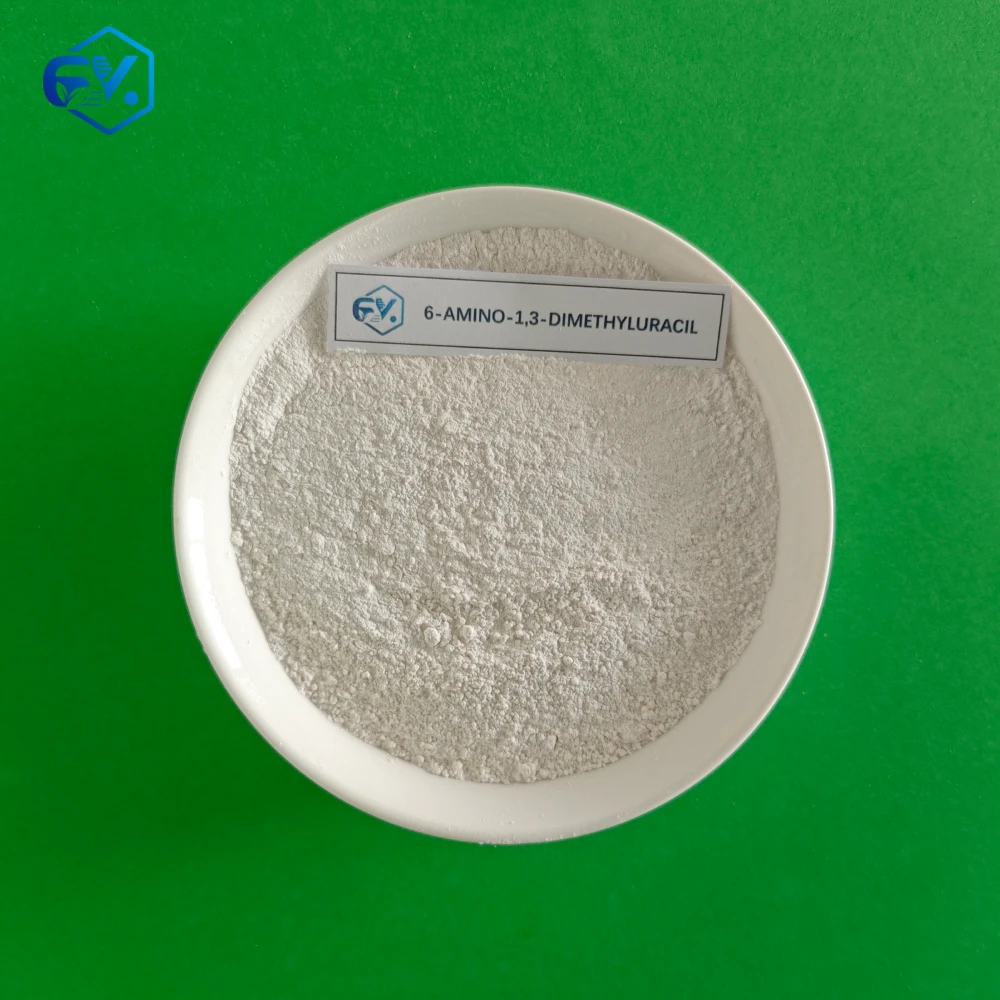
A prime example of such specialization is Hebei Guangxing Chemical Co., Ltd. While globally recognized in the polymer industry, their flagship product, 6-Amino-1,3-dimethyluracil, is explicitly defined as "an important chemical and pharmaceutical intermediate." This highlights a core facet of their business. Operating from a 90-acre industrial park with significant annual production capacity, their credentials—including ISO 9001, ISO 14001, and ISO 45001 certifications, Hebei Province Industrial Enterprise R&D Institution status, and official EU REACH registration for key products—demonstrate the rigorous standards required of advanced pharma intermediates manufacturers. Their long-term technical cooperation with universities and recognition as a national high-tech and "Specialized, Refined, Unique and New" enterprise underscore a commitment to the innovation and precision that pharmaceutical partners demand.
Understanding the pharmaceutical intermediates meaning is the first step in quality by design. Since intermediates directly influence the final API's purity and structure, controlling their quality at every synthesis step is far more effective and economical than trying to purify a flawed final product. It ensures the entire manufacturing process is robust, reproducible, and compliant.
Selecting pharma intermediates manufacturers requires due diligence. Key criteria include: a proven track record with relevant chemistry, comprehensive quality certifications (ISO, GMP-grade capabilities if needed), full regulatory support and documentation (e.g., REACH), transparent and scalable supply capacity, and a strong commitment to R&D and continuous improvement, much like the institutional framework of a recognized high-tech enterprise.
The regulatory scrutiny intensifies along the value chain. While advanced APIs and intermediates (especially those used in the final critical steps) are often produced under GMP or high-quality ISO conditions, the final API faces the most stringent GMP regulations for commercial use. Reputable manufacturers understand this graduated compliance requirement.
Absolutely. Many sophisticated chemical companies, like those with broad expertise in fine chemical synthesis, have the capability to produce both. They may offer a portfolio ranging from early-stage pharmaceutical intermediates to advanced, near-API compounds, providing customers with integrated supply solutions and deep process understanding from start to finish.
Innovation from pharma intermediates manufacturers drives efficiency, cost reduction, and sustainability in drug production. By developing novel, greener synthesis routes, improving yields, and creating purer, more stable intermediate forms, they enable their pharmaceutical partners to accelerate development timelines, reduce environmental impact, and ultimately deliver life-saving medicines to market faster and more reliably.
In summary, mastering the pharmaceutical intermediates meaning and partnering with expert pharma intermediates manufacturers are key to building a resilient and innovative drug supply chain. By focusing on the precise production of high-quality APIs and intermediates, we can ensure the safety, efficacy, and timely delivery of vital medicines worldwide. Let’s build the future of healthcare, one molecule at a time.
Calcium Zinc Stabilizer For Reliable PVC Production


 English
  Arabic
  Belarusian
  Bengali
  Bulgarian
  Finnish
  French
  German
  Hebrew
  Hindi
Hindi  Hungarian
  Indonesian
  Italian
  Japanese
  Korean
  Persian
  Portuguese
  Russian
  Spanish
  Turkish