Urea and its modified compounds are among the most widely utilized chemicals in modern industry. From agriculture to textiles and advanced materials, the versatility of urea-based compounds stems from their unique molecular structure and reactivity. This article provides a comprehensive overview of the chemical formula for urea, its derivatives, and how global industries apply these materials in real production environments.
1. Core Chemical Principles: Chemical Structure Urea and Functional Mechanisms
Understanding the chemical makeup of urea is essential for analyzing its wide-ranging applications. The chemical formula for urea is CO(NH₂)₂, which is also commonly described as the formula of urea in chemistry. This simple molecule contains a carbonyl group bonded to two amine groups, forming a highly reactive and versatile compound.
1.1 Chemical Name, Symbol, and Structure
The chemical name of urea is carbamide, and although it does not have a traditional elemental symbol, the chemical symbol of urea is often represented by its molecular formula CO(NH₂)₂. The chemical structure urea features strong hydrogen bonding capability, which plays a key role in its industrial performance.
This structure allows urea to interact with hydroxyl groups, amines, and other reactive substances. As a result, it serves as the foundation for numerous derivatives of urea, including nn dimethyl urea and other substituted compounds.
1.2 Functional Role of Urea Derivatives
The transformation of urea into functional materials depends on the synthesis of urea derivatives, where hydrogen atoms are replaced with alkyl, aryl, or other functional groups. This modification enhances:
- Solubility and compatibility
- Thermal stability
- Crosslinking ability
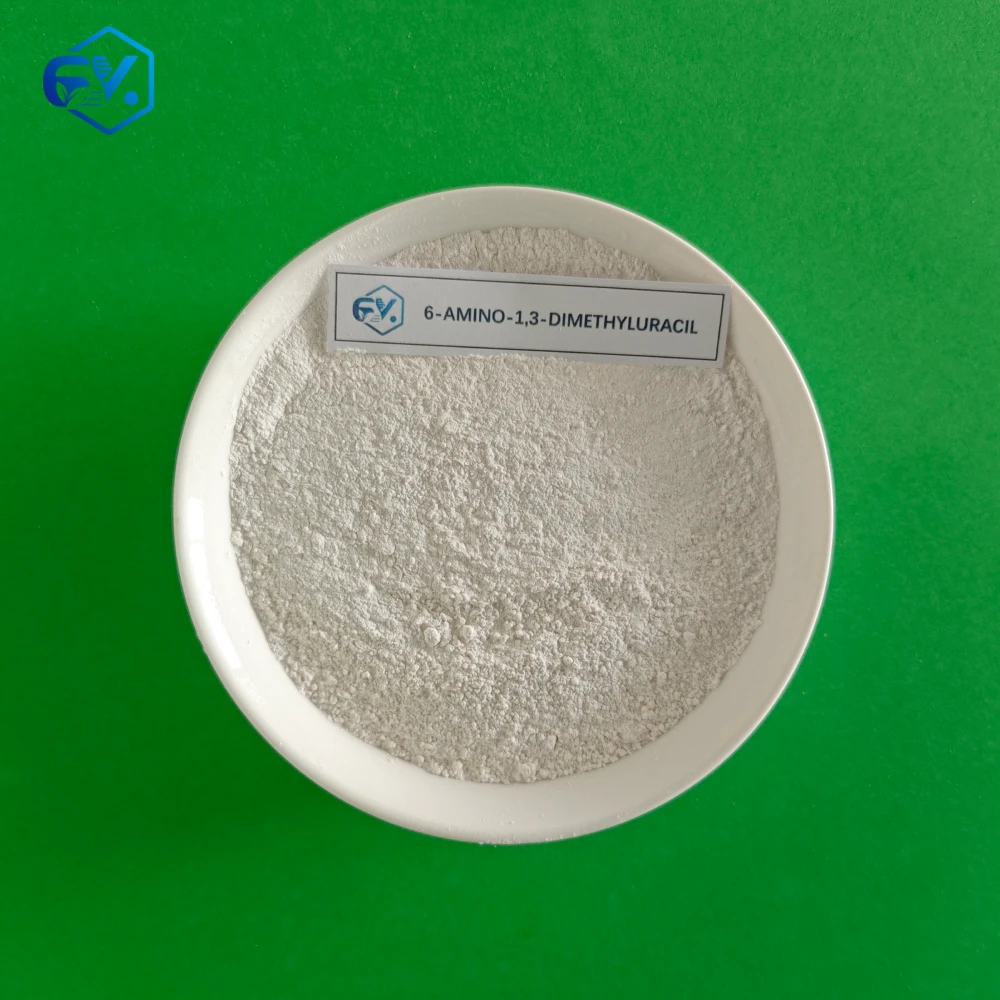
For example, nn dimethyl urea and related compounds are widely used as intermediates in resin production and textile auxiliaries. These derivatives retain the core properties of the chemical structure urea while offering improved performance for specific applications.
2. Industrial Applications and Global Usage of Urea Derivatives
Based on global industrial practices across Europe, America, and Asia, urea and its derivatives are applied in several key sectors, with consistent application logic but slight regional variations.
2.1 Agricultural Applications: Fertilizer Industry
One of the most significant uses of urea is in agriculture. The urea chemical formula is used for fertilizer due to its high nitrogen content, making it one of the most efficient nitrogen fertilizers globally. The formula for urea fertilizer ensures rapid nitrogen release, promoting plant growth and improving crop yields.
Globally, fertilizer manufacturers rely on the chemical formula for urea to produce cost-effective and high-performance fertilizers. Its advantages include:
High nitrogen concentration (about 46%)
Easy storage and transportation
Compatibility with various soil types
This explains why the chemical makeup of urea is fundamental to modern agricultural productivity.
2.2 Textile and Resin Industry Applications
In textile processing, dimethyl urea uses are particularly important. Compounds like nn dimethyl urea are used as crosslinking agents in finishing processes, improving fabric properties such as:
Wrinkle resistance
Dimensional stability
Dye fixation
Global textile chemical companies incorporate urea derivatives into eco-friendly finishing agents, replacing traditional formaldehyde-based chemicals. This aligns with increasing environmental regulations and sustainability goals.
Additionally, the dimethyl urea price is a critical factor influencing procurement decisions. Due to fluctuations in raw material costs and supply chains, manufacturers often optimize formulations to balance performance and cost efficiency.
2.3 Polymer and Chemical Manufacturing
The synthesis of urea derivatives also plays a key role in polymer chemistry. Urea-based compounds are used to produce:
Adhesives
Coatings
Plastics
These materials benefit from the strong intermolecular interactions enabled by the chemical structure urea, which enhances durability and performance.
2.4 Global Application Practices
Across different regions:
European companies focus on high-performance, eco-friendly urea derivatives for advanced textiles and coatings.
Asian manufacturers emphasize large-scale production for textiles and fertilizers.
American industries prioritize efficiency and cost optimization, especially in agriculture and resin systems.
Despite regional differences, the core reliance on the chemical formula for urea and its derivatives remains consistent worldwide.
The importance of urea in modern industry is rooted in its simple yet highly adaptable molecular structure. From the chemical formula for urea to the advanced derivatives of urea, these compounds enable innovations across agriculture, textiles, and materials science.
With ongoing advancements in the synthesis of urea derivatives, industries are continuously improving product performance while meeting environmental standards. Whether through the formula for urea fertilizer in agriculture or the specialized dimethyl urea uses in textiles, urea-based compounds will remain essential to global industrial development.
FAQ: Chemical Formula for Urea and Derivatives of Urea
1. What is the chemical formula for urea and its structure?
The chemical formula for urea is CO(NH₂)₂, also known as the formula of urea in chemistry. The chemical structure urea includes a carbonyl group bonded to two amine groups, enabling strong hydrogen bonding and reactivity.
2. What is the chemical name of urea and its chemical makeup?
The chemical name of urea is carbamide. Its chemical makeup of urea consists of carbon, oxygen, nitrogen, and hydrogen atoms arranged in a stable molecular structure.
3. What are common derivatives of urea used in industry?
Common derivatives of urea include nn dimethyl urea and other substituted compounds used in textiles, resins, and chemical synthesis.
4. Why is urea chemical formula used for fertilizer?
The urea chemical formula is used for fertilizer because it contains a high percentage of nitrogen, making it highly effective for plant growth and soil enrichment.
5. What factors influence dimethyl urea price and uses?
The dimethyl urea price depends on raw material costs, production scale, and market demand. Its primary dimethyl urea uses include textile finishing, resin production, and chemical intermediates.














 English
  Arabic
  Belarusian
  Bengali
  Bulgarian
  Finnish
  French
  German
  Hebrew
  Hindi
Hindi  Hungarian
  Indonesian
  Italian
  Japanese
  Korean
  Persian
  Portuguese
  Russian
  Spanish
  Turkish