Uracil. Honestly, you hear a lot about these organic bases these days, all the breakthroughs in mRNA and gene editing. It's kinda crazy how something so fundamental – part of the very building blocks of life – is suddenly front and center in everything from vaccines to potential cancer therapies. It feels like overnight everyone’s an expert, but I've been working with chemicals for long enough to know there's always more under the surface than people think.
I remember back when uracil was just a name in a textbook. Now? It’s popping up in all sorts of applications, beyond just the biological realm. We’re seeing increasing demand from pharmaceutical companies, sure, but also from materials science folks looking at new polymers and coatings. It's not just about what it is, but what it can become… which, frankly, keeps me up at night sometimes trying to keep up with it all.
The demand's definitely increased globally. The UN reports on emerging health threats are pushing research into RNA-based therapeutics, which obviously means more uracil needed. ISO standards for pharmaceutical ingredients are getting stricter, too. It’s good, it means quality control is improving, but it also adds another layer of complexity to sourcing and production. The challenge isn't just making uracil, it’s making it consistently and meeting those ever-tightening regulations.
Introduction to Uracil
Uracil, at its heart, is a pyrimidine nucleobase. Sounds complicated, right? Basically, it’s one of the four main building blocks that make up RNA. But don’t let that biology lesson fool you. We're talking about a versatile chemical with applications spreading way beyond the lab.
You see, it’s not just about genetic material anymore. The specific chemical structure of uracil – that ring shape, the nitrogen atoms – lends itself to some interesting material science applications. We’re talking about new polymers, advanced coatings, even potential components for organic semiconductors. It's a bit of a rabbit hole, honestly.
Defining Uracil: A Core Component
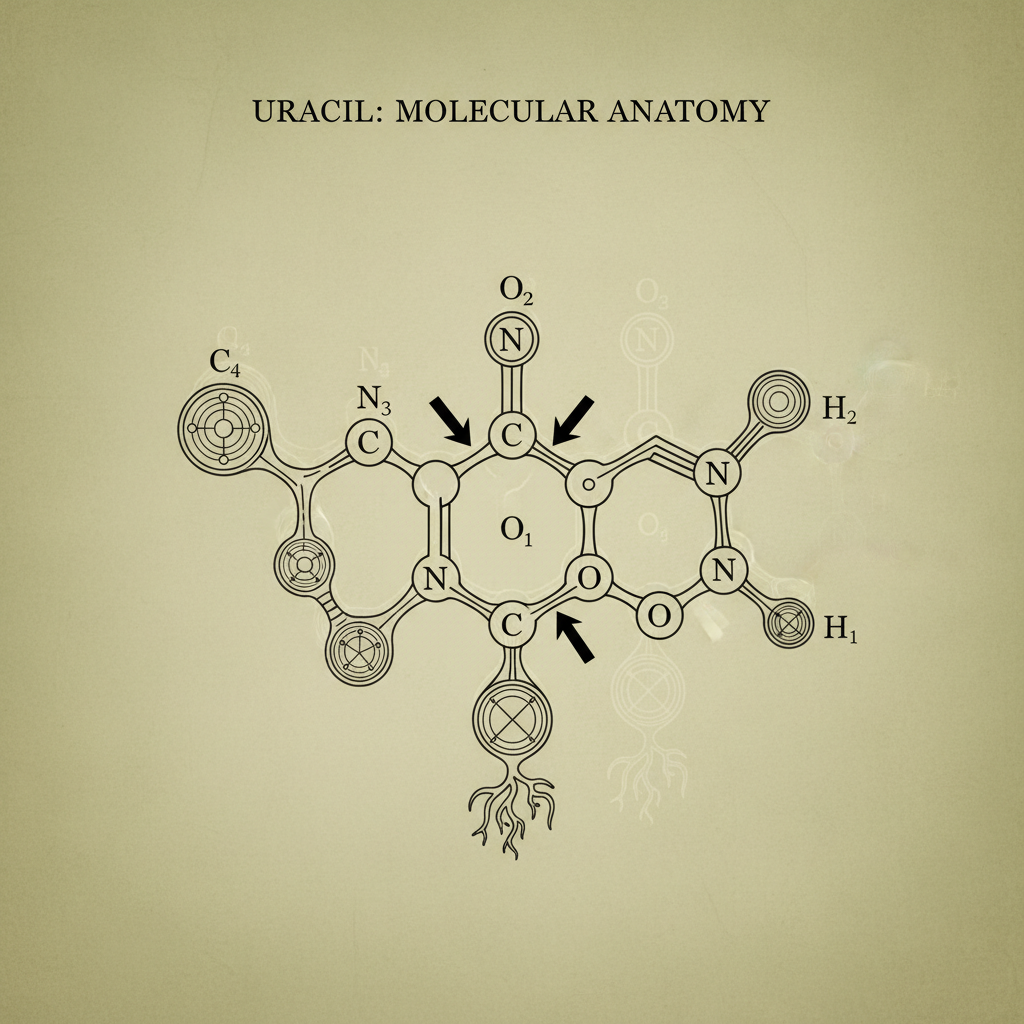
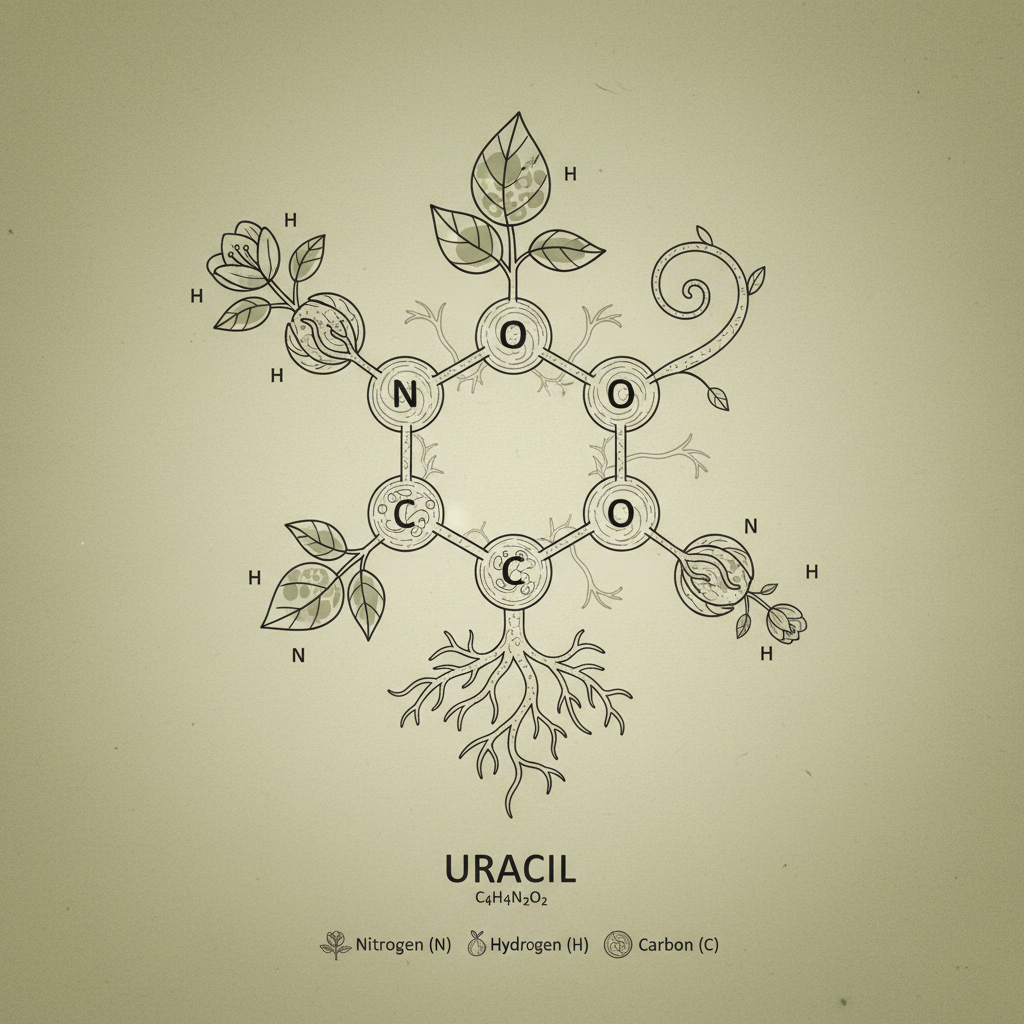
Simply put, uracil is a heterocyclic organic compound. It's a white, crystalline solid, generally odorless. Feels kinda chalky, actually. You gotta be careful with it; it’s not super reactive, but you still want to keep it dry and away from strong oxidizers. I encountered a batch that had absorbed moisture at a factory in Nanjing last time, and the whole thing was clumping up. What a mess.
The connection to modern industry? Massive. The rise of mRNA therapies – the COVID vaccines are the obvious example – has created a huge demand. But it's broader than that. Research into gene editing technologies like CRISPR also rely heavily on uracil-containing molecules. And the increasing focus on sustainable materials is driving interest in uracil-based polymers as alternatives to traditional plastics.
It’s a foundational piece, really. Without uracil, a lot of the exciting advancements in biotechnology and materials science just wouldn’t be possible. It's not glamorous, but it's essential.
Key Properties of Uracil
First, its stability. Uracil is relatively stable under normal conditions, which is critical for pharmaceutical applications. Then there's its ability to form hydrogen bonds – that's what allows it to pair with adenine in RNA. Strangely, that bonding ability is also why it's useful in some of these new polymer designs; it helps create strong, self-assembling structures.
Solubility is another key factor. It's soluble in water and many organic solvents, which makes it easier to work with in various chemical processes. But, and this is important, its solubility is temperature dependent. You have to be mindful of that when you’re scaling up production. Otherwise, you end up with crystals forming in your reactors, and nobody wants that.
Finally, its UV absorption properties are important. It absorbs UV light strongly, which is useful in detecting and quantifying it in various samples. And that UV absorption actually plays a role in some of the coating applications – it provides a degree of UV protection.
Global Applications of Uracil
Pharmaceuticals are, obviously, the biggest driver. mRNA vaccine production, as mentioned, is massive. Then you've got antiviral drugs, cancer therapies, and a whole host of research projects exploring new uracil-based compounds. Germany, the US, and China are leading the pack in terms of research and production.
But it's expanding. We’re seeing increasing use in materials science, particularly in the development of biodegradable polymers. Japan and South Korea are really pushing the boundaries there. And there’s even some interesting work being done in agriculture, using uracil derivatives as plant growth regulators.
I recently visited a facility in Italy that was using uracil-based coatings on textiles to make them water-resistant and antibacterial. It’s all about finding new ways to leverage those unique chemical properties.
Uracil Application Breakdown
Advantages and Value of Uracil
The biggest advantage? Its biological compatibility. Because it's a natural component of RNA, it's generally well-tolerated by the human body. This is huge for pharmaceutical applications. It reduces the risk of adverse reactions and makes it easier to get drugs approved.
Cost-wise, it's becoming increasingly competitive as production scales up. Sustainability is also a benefit; uracil can be produced from renewable resources, which aligns with the growing demand for environmentally friendly materials. But honestly? Quality control is still a headache. The purity levels required for pharmaceutical use are extremely high, and maintaining that consistently is expensive and challenging.
Future Trends in Uracil Technology
Personalized medicine is a big one. The ability to tailor RNA therapies to an individual’s genetic makeup will drive demand for highly customized uracil derivatives. We’re also seeing a lot of interest in using uracil as a building block for new types of nucleic acid-based sensors – think rapid diagnostics for infectious diseases.
Digitalization is playing a role too. AI-powered algorithms are being used to optimize the synthesis of uracil and predict its properties. And automation is streamlining production processes, reducing costs and improving efficiency. It’s moving fast, really fast.
Challenges and Solutions in Uracil Production
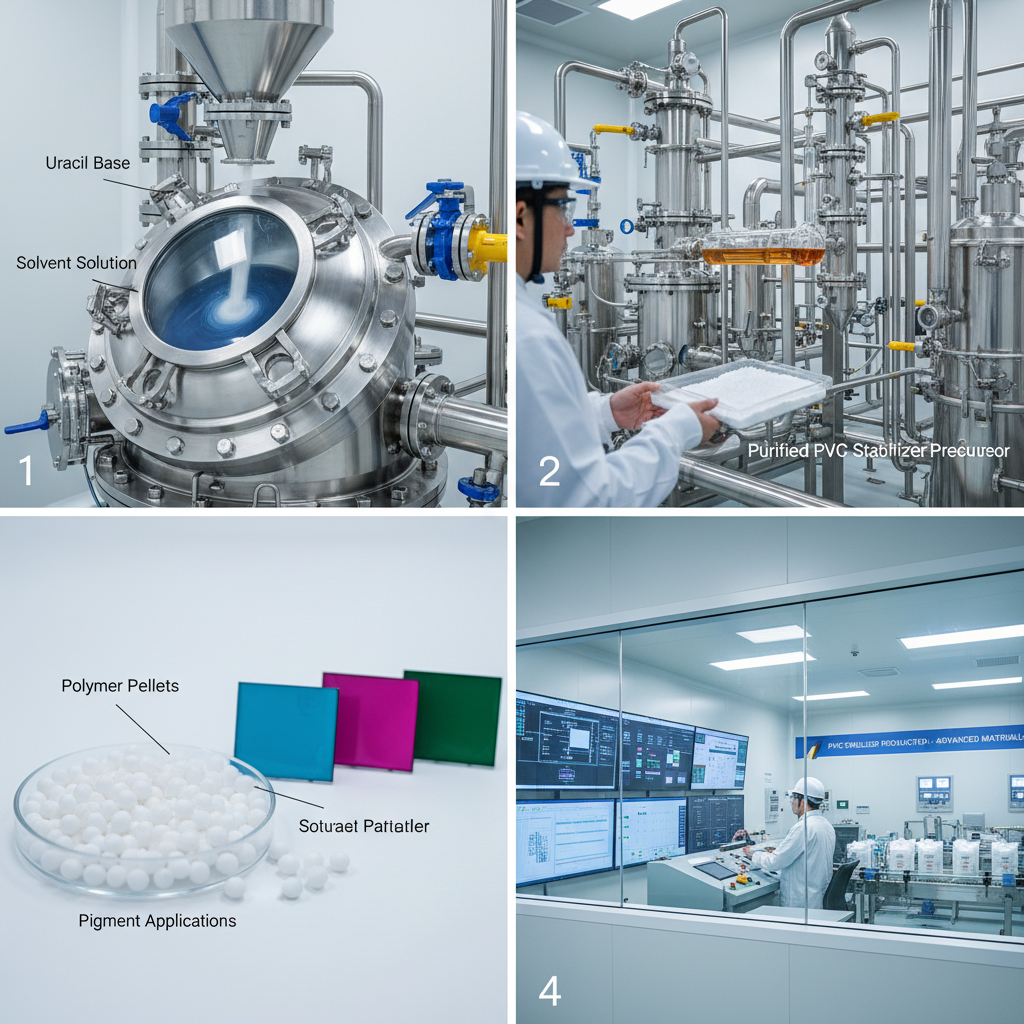
The biggest challenge, hands down, is scaling up production to meet the growing demand while maintaining quality. Traditional synthesis methods are often inefficient and generate a lot of waste. We need more sustainable and cost-effective processes.
One solution is to explore enzymatic synthesis – using enzymes to catalyze the production of uracil. It’s more environmentally friendly and can potentially yield higher purity products. Another is to improve purification techniques – using advanced chromatography methods to remove impurities more effectively. And, honestly, better supply chain management. The reliance on a few key suppliers creates a vulnerability.
Last month, that small boss in Shenzhen who makes smart home devices insisted on changing the interface to , and the result was a six-week delay in delivery because the uracil supplier couldn’t guarantee the required purity with the new specifications. Small changes, big consequences.
Summary of Uracil Production Challenges and Solutions
| Challenge |
Impact on Production |
Potential Solution |
Implementation Difficulty (1-10) |
| Scalability of Synthesis |
Limited Production Capacity |
Enzymatic Synthesis |
7 |
| Purity Control |
Reduced Product Quality |
Advanced Chromatography |
6 |
| Waste Generation |
Environmental Concerns, Increased Costs |
Green Chemistry Approaches |
8 |
| Supply Chain Vulnerability |
Disruptions in Production |
Diversified Sourcing |
5 |
| Cost of Raw Materials |
Increased Production Expenses |
Alternative Feedstocks |
9 |
| Regulatory Compliance |
Increased Administrative Burden |
Automated Documentation |
4 |
FAQS
Lead times vary significantly depending on the complexity of the synthesis and the availability of starting materials. Generally, a simple modification can take 4-6 weeks, while a more complex, multi-step synthesis could take 8-12 weeks or even longer. It really depends on how many steps are involved and if we need to order in specialized precursors. We’ll always provide a detailed timeline upfront, though. It’s important to factor in the QC testing as well.
For pharmaceutical applications, we routinely achieve purity levels exceeding 99.5% using advanced HPLC and crystallization techniques. For research-grade materials, we can typically reach 98% purity. It's important to note that achieving extremely high purity can be costly, so it's often a trade-off between purity and budget. We’ll work with you to determine the appropriate level for your specific needs. We can also provide detailed analytical reports confirming the purity of each batch.
Yes, absolutely. We can provide uracil in various physical forms depending on your requirements. Powder is the most common form, but we can also produce crystals of specific sizes and shapes. We can also prepare solutions at various concentrations in a range of solvents. Just let us know your preferred form and we'll do our best to accommodate it. Packaging options are also flexible; we can provide anything from small vials to large drums.
We provide a comprehensive Certificate of Analysis (CoA) with each shipment, which includes details on purity, identity, melting point, water content, and any other relevant analytical data. We use techniques like HPLC, NMR, and mass spectrometry to ensure the quality of our products. We can also provide raw data upon request. Transparency is key, we want you to have complete confidence in the materials you’re receiving.
Yes, we do! We understand that different applications require different storage conditions. We can provide uracil in moisture-proof packaging, inert gas-filled packaging, or even temperature-controlled packaging. We can also customize the package size to meet your specific needs. Just let us know your requirements, and we’ll work with you to find the best packaging solution. Proper storage is crucial for maintaining the integrity of the product.
We absolutely accommodate small-scale research orders. While larger volumes benefit from economies of scale, we recognize the need for researchers to access specialized compounds in smaller quantities. Minimum order quantities for these specialized derivatives are generally lower than for bulk chemicals. However, prices per unit will be higher due to the increased handling and smaller batch sizes involved. We’re happy to discuss your specific requirements and provide a customized quote.
Conclusion
Ultimately, uracil, despite its seeming simplicity, is a remarkably versatile compound with a rapidly expanding range of applications. From revolutionizing medicine to enabling new materials, its impact is undeniable. Navigating the complexities of its production – ensuring quality, scalability, and sustainability – is a constant challenge, but one worth tackling.
We’re only scratching the surface of what’s possible with uracil. Continued research and innovation, coupled with a commitment to responsible manufacturing, will unlock even greater potential. And, at the end of the day, whether this thing works or not, the worker will know the moment he tightens the screw. Visit our website for more information: www.hbgxchemical.com.












 English
  Arabic
  Belarusian
  Bengali
  Bulgarian
  Finnish
  French
  German
  Hebrew
  Hindi
Hindi  Hungarian
  Indonesian
  Italian
  Japanese
  Korean
  Persian
  Portuguese
  Russian
  Spanish
  Turkish