









To be honest, calcium zinc stabilizers… they're having a moment. Everyone’s chasing that lead-free thing, right? It's not just a trend, it’s what the regulations are pushing for, and rightfully so. Been seeing a lot more demand for them on-site lately. Used to be, you’d primarily find them in food packaging, but now it's everywhere – pipes, profiles, even some of the siding. It's good, it really is, but it's also… a different beast than what guys are used to.
Have you noticed how everyone thinks just swapping out the stabilizer is enough? That's where things get tricky. It’s not a one-for-one deal, not by a long shot. You gotta think about the whole formulation. Heat stability, processing, even the color - they all get thrown off. I encountered this at a factory in Zhejiang province last time, huge operation, and they were churning out off-color profiles because they didn't adjust the lubricant package. A real mess.
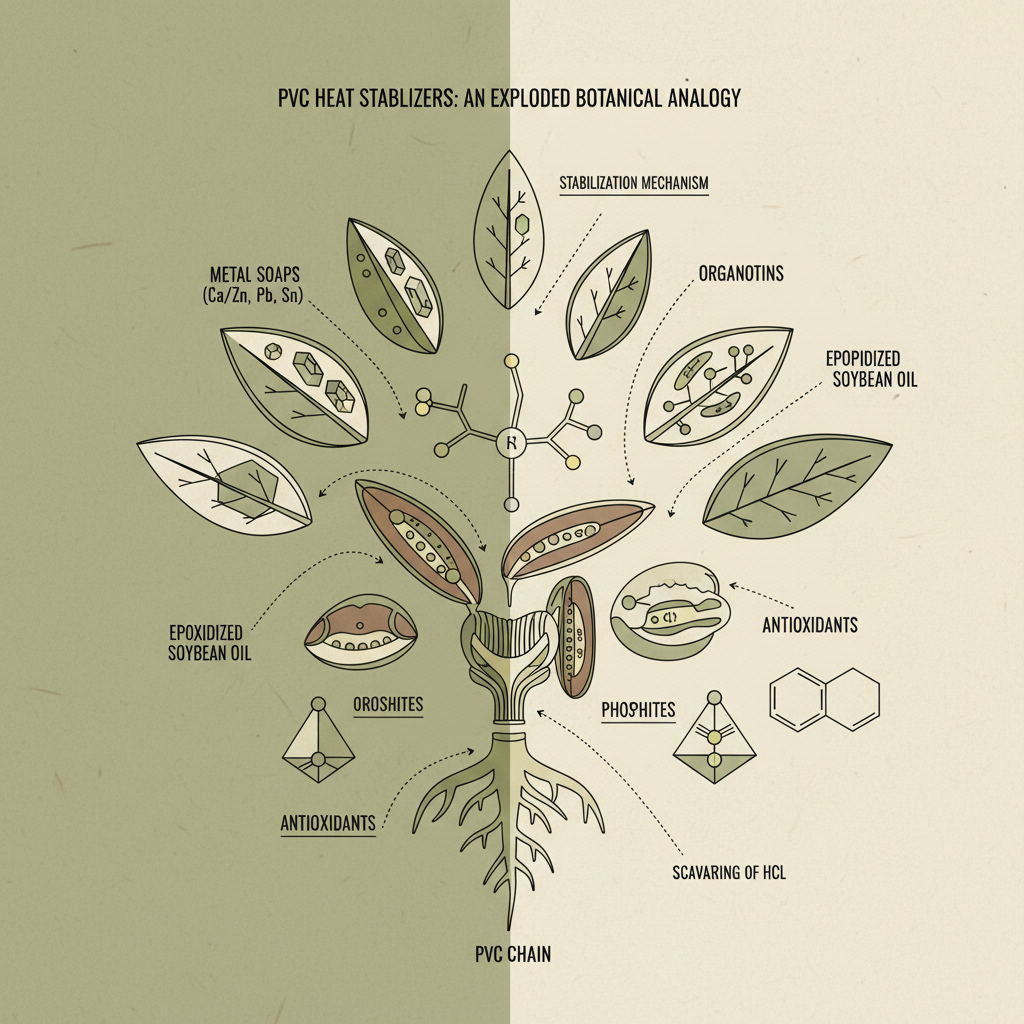
Anyway, I think it’s important to understand what’s in these stabilizers. It’s not just calcium and zinc, you know. There's usually a complex blend – polyols, fatty acids, epoxy esters… the list goes on. The feel of a good stabilizer is… hard to describe. It’s not grainy, not oily, more like a fine powder with a slight, almost sweet smell. The zinc stearate, that’s the one that smells a bit waxy. Gotta be careful with that stuff, gets everywhere. You’ll be finding it in your pockets for weeks.
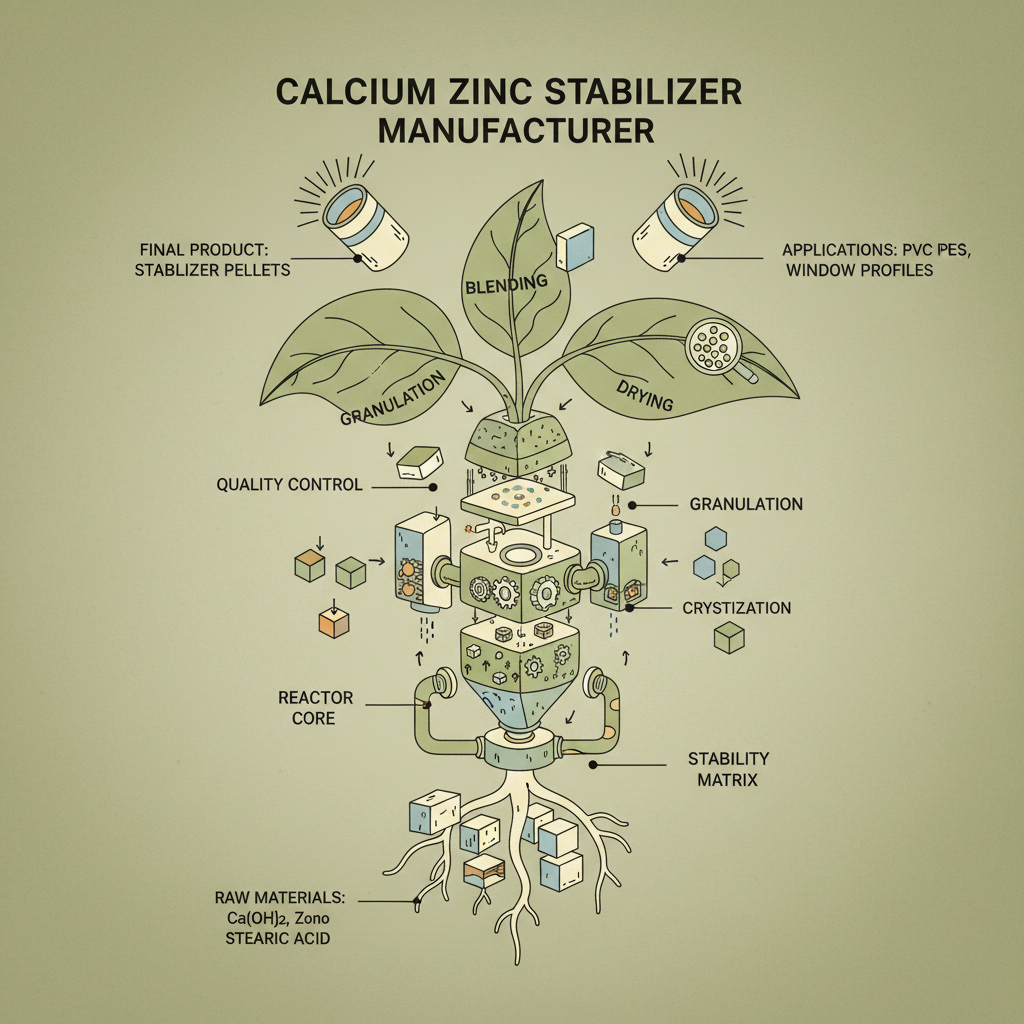
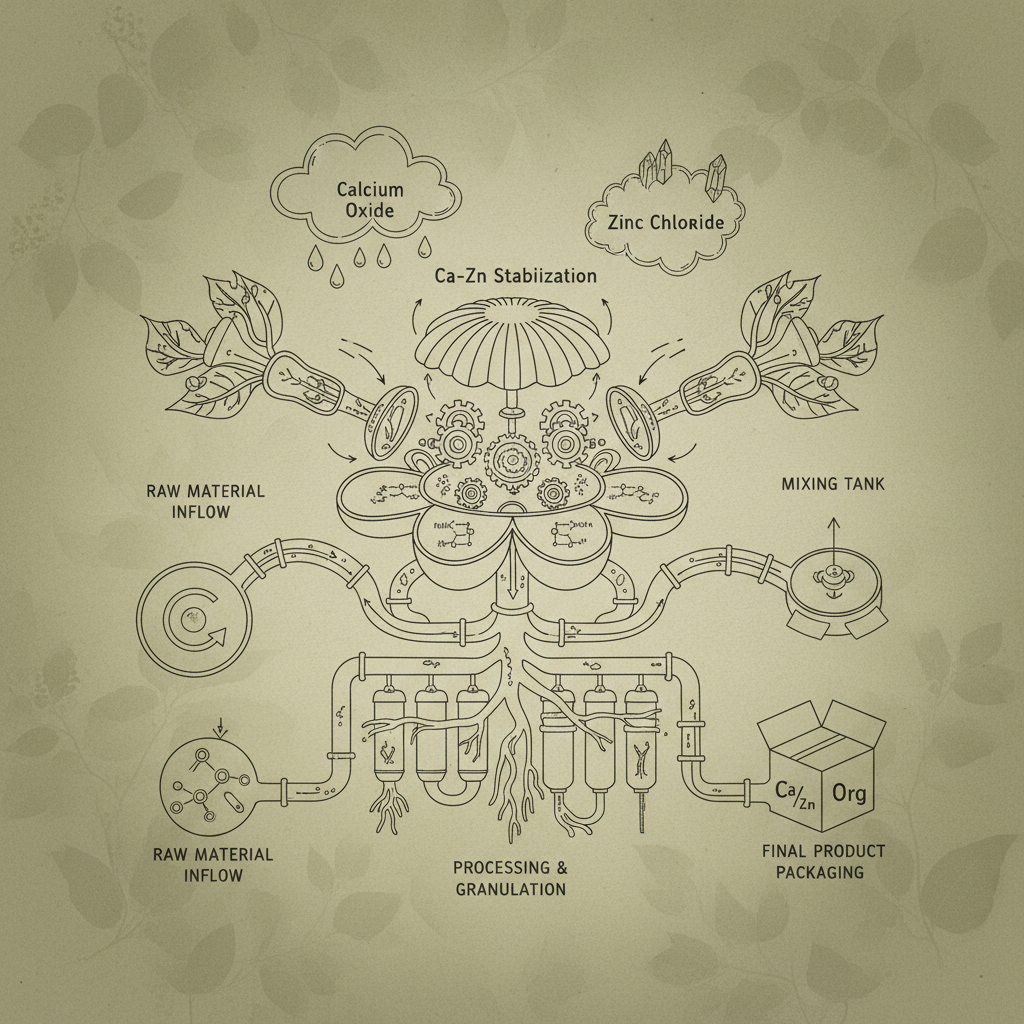
Strangely, a lot of manufacturers are still focused on just meeting the specs sheet, instead of considering the whole process. They’ll brag about high heat stability in the lab, but then it falls apart when you’re running it on a real extrusion line. I’ve seen it happen countless times. They forget that the machine settings, the speed, the formulation – it all impacts how the stabilizer performs.
And the cost? Don’t even get me started. Everyone’s trying to cut corners, find the cheapest option. But you get what you pay for, always. The cheaper stabilizers often have lower zinc content, which means they don't offer the same long-term protection. Later… forget it, I won’t mention it.
The biggest advantage is obviously the environmental and health benefits – no lead! But calcium zinc stabilizers also offer good heat stability and weathering resistance. They're a good all-around choice for a lot of applications, especially where lead content is restricted or prohibited. They might be a bit more expensive upfront, but the long-term benefits outweigh the cost, in my opinion.
You gotta think about the processing temperature, the application, and the desired properties of the finished product. Also, consider the cost, the availability, and the supplier's technical support. And don't forget the regulatory requirements. Make sure the stabilizer meets all the applicable standards for your region. It's a lot to juggle, but it's worth it to get it right.
Moisture is the enemy, plain and simple. It can cause clumping, reduce effectiveness, and even corrode your equipment. The best way to prevent moisture issues is to store the stabilizer in a sealed container, in a cool, dry place. And don’t open the container until you’re ready to use it. If you suspect moisture contamination, it’s best to discard the stabilizer and start with a fresh batch.
They can be used in flexible PVC, but it’s more challenging. You need to use a higher concentration of the stabilizer, and you may need to add other additives to improve the flexibility and processability. It’s definitely not a one-size-fits-all solution. I've seen some success with certain formulations, but it requires careful optimization and testing.
Plate-out is that unsightly film that forms on the surface of the finished product. It’s caused by the migration of the stabilizer to the surface. The best way to prevent it is to use a good lubricant system. You also need to optimize the processing conditions and the stabilizer formulation. Sometimes, a slight adjustment to the lubricant package can make all the difference.
Yeah, a lot of research is going into developing more sustainable and eco-friendly stabilizers. There’s also a lot of focus on improving the heat stability and weathering resistance of calcium zinc stabilizers. And some companies are experimenting with new additives to enhance their performance. It's a constantly evolving field, and it's exciting to see what's coming next.
Ultimately, calcium zinc stabilizers are a viable and increasingly necessary alternative to traditional lead-based systems. They offer a better environmental profile and can deliver excellent performance when properly formulated and processed. It’s not always easy, and it requires a bit more attention to detail, but the benefits are worth the effort.
But here’s the thing: all the lab tests, all the formulations, all the technical data in the world don’t matter if the stabilizer doesn't work on the production line. Ultimately, whether this thing works or not, the worker will know the moment he tightens the screw.



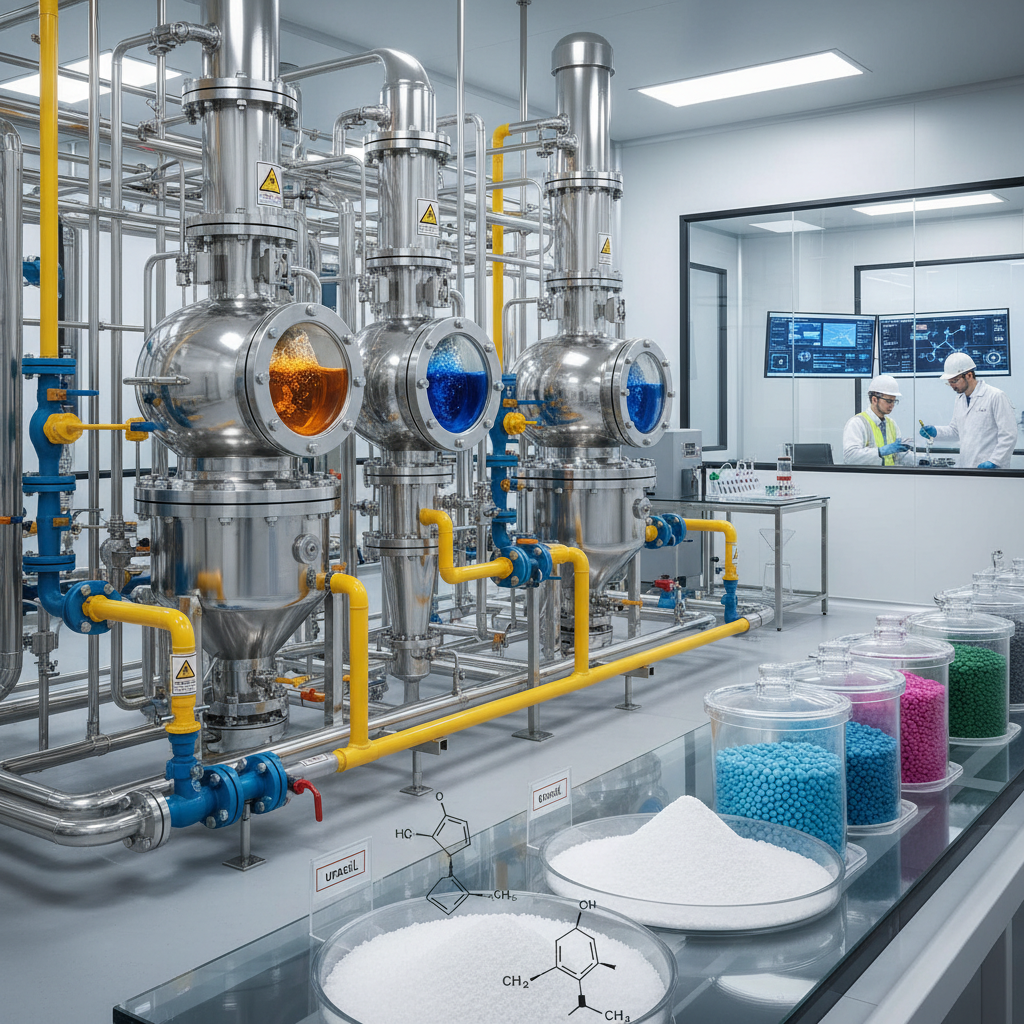
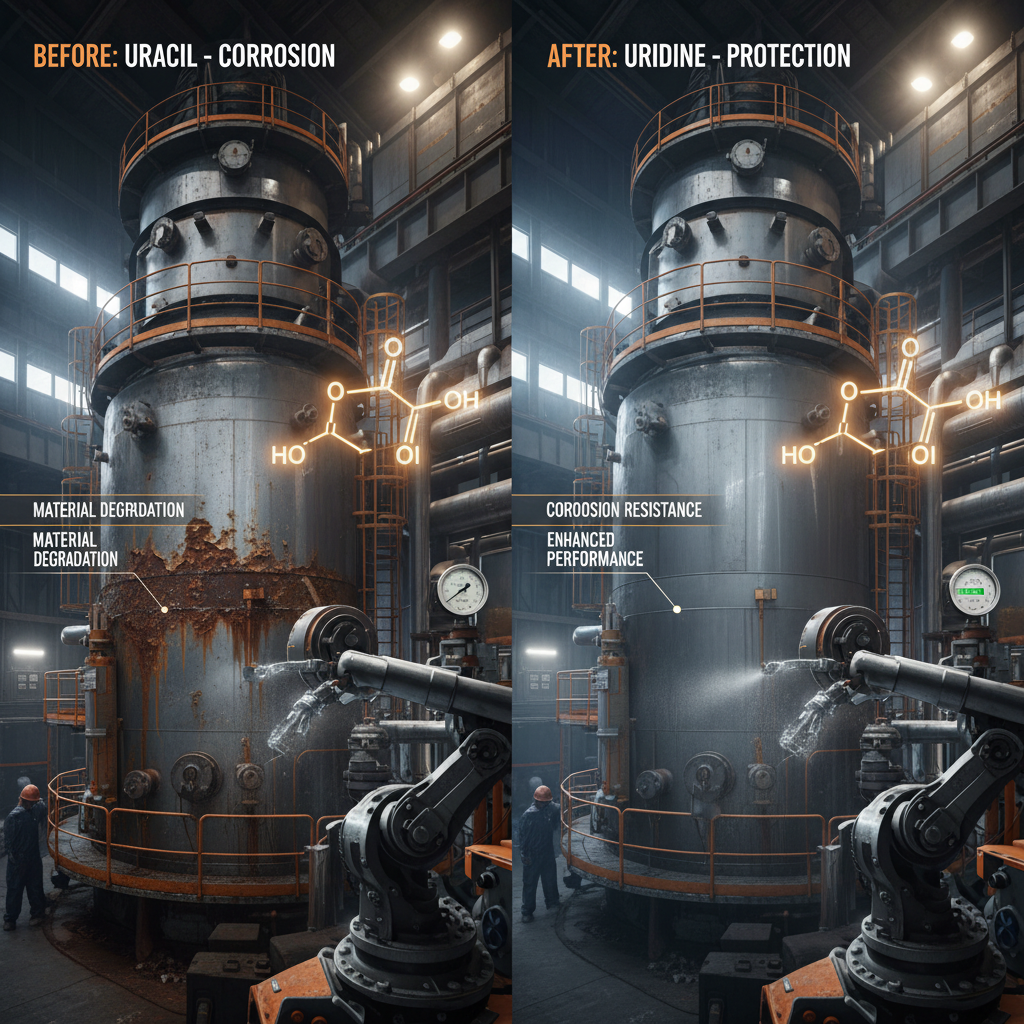
 English
  Arabic
  Belarusian
  Bengali
  Bulgarian
  Finnish
  French
  German
  Hebrew
  Hindi
Hindi  Hungarian
  Indonesian
  Italian
  Japanese
  Korean
  Persian
  Portuguese
  Russian
  Spanish
  Turkish