




Tel
Email
Tel
whatsapp11 whatsapp21
Wechat
about11 wx21
Top
0%

Table of Contents

Look, I’ve been running around construction sites for fifteen years. Fifteen years! You see a lot, you smell a lot… mostly dust, and sometimes something… worse. Lately, everyone’s talking about smart building materials, IoT integration, prefabrication. It’s all buzzwords until you’re standing in the rain trying to get a sensor to cooperate. Honestly, the biggest trend I’m seeing isn’t some fancy new tech, it’s just getting reliable stuff that can actually withstand a beating.

What’s really been on my mind is how easily things go wrong with seemingly simple designs. I encountered this at a factory in Tianjin last time, the blueprint looked perfect, but the actual product? A disaster. Turns out the angle of that little flange… well, let’s just say it didn’t account for thermal expansion. Anyway, I think a good design anticipates the ways things will break, not just how they should work.

And it all comes down to materials, right? We’re using a lot of high-density polyethylene (HDPE) piping these days. It smells kinda like plastic, you know? But it’s surprisingly tough. You can really manhandle it without worrying about cracking. But then there’s the PVC. PVC heat stabilizers are crucial, obviously. Without them, it gets brittle faster than you can say ‘warranty voided’. Used to be, you’d get those cheap stabilizers and the whole thing would turn yellow and crumble within a year. The good stuff? Different beast entirely. It's got a slightly oily feel to it, a sign it's working.
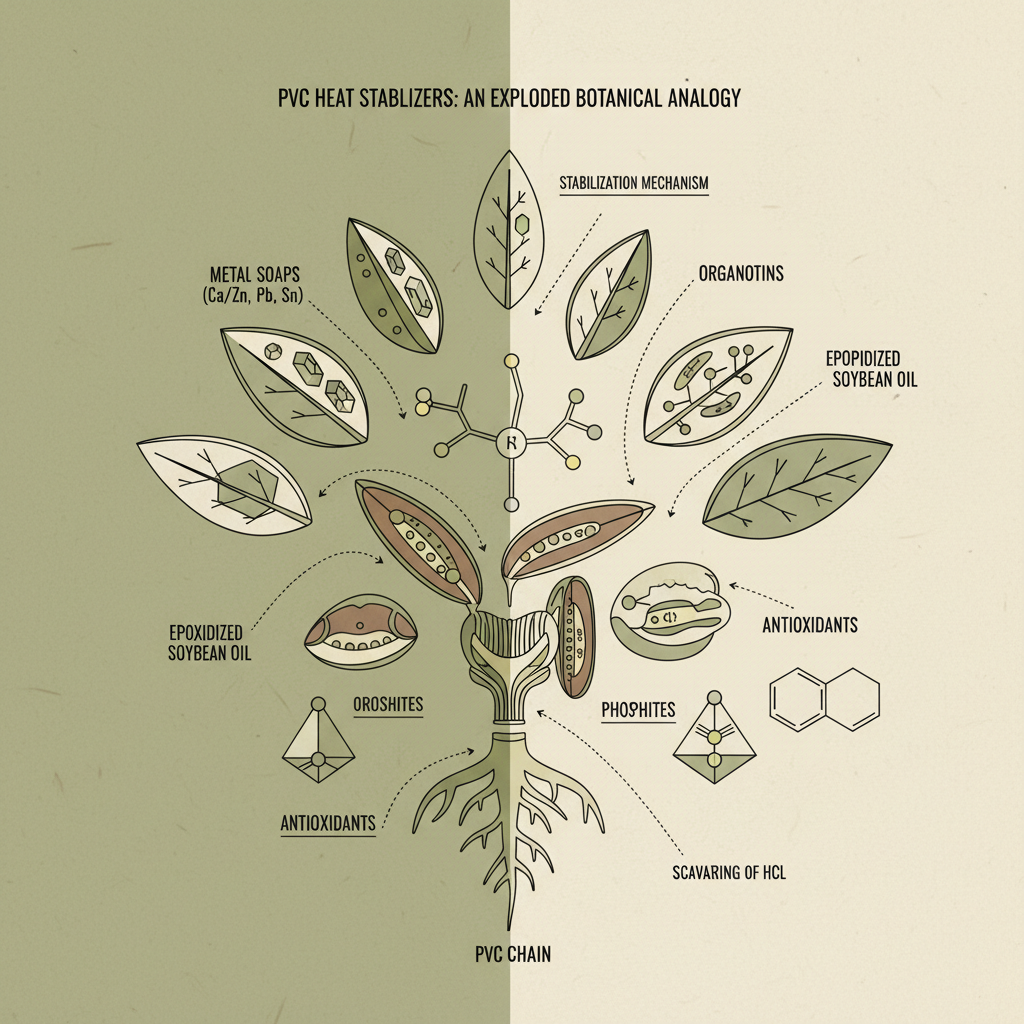
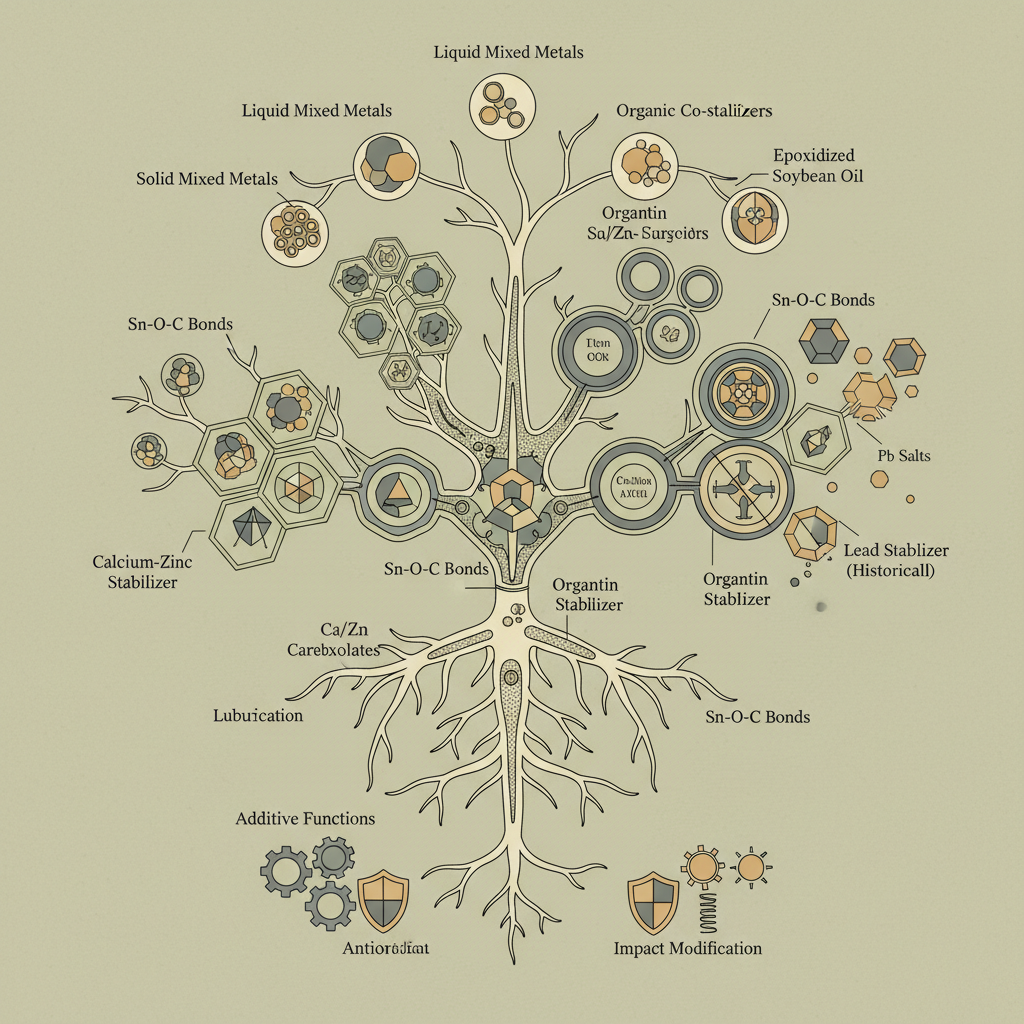
Understanding PVC Heat Stabilizers for Durable Construction Materials

Industry Trends and Design Pitfalls

Understanding PVC Heat Stabilizers for Durable Construction Materials

Have you noticed everyone jumping on the ‘sustainable’ bandwagon? Which is good, don’t get me wrong. But it often means using materials that sound eco-friendly but haven't been proven in the field. I saw a project trying to use bamboo reinforcement instead of steel. Sounded great on paper. Then the first monsoon hit. It’s a constant battle between innovation and practicality.

To be honest, the biggest pitfall I see is over-engineering. Trying to solve problems that don’t exist. Adding complexity for the sake of it. It makes things expensive, harder to install, and ultimately less reliable. Keep it simple, keep it strong. That's my motto.

Material Deep Dive: HDPE, PVC & Stabilizers

HDPE’s good stuff. Lightweight, flexible. You can weld it, you can bend it. It's a workhorse. But PVC… PVC’s a different animal. It’s rigid, it’s cheap, and it’s everywhere. But without the right pvc heat stabilizers, it's just…waiting to fail. Strangel,y, a lot of people don't appreciate the stabilizers. They think the PVC is doing all the work. It's not. The stabilizer is the unsung hero. We're mainly working with calcium-zinc stabilizers now, phasing out the lead-based ones. Better for everyone, obviously. The zinc ones have a slight metallic smell, you get used to it.

The quality of the stabilizer matters huge. You can get a cheap one that'll work for a few months, then the whole thing starts to degrade. Cracking, discoloration, brittleness. Then you're dealing with leaks, repairs, and angry clients. No one wants that. It's really important to look at the molecular weight distribution, the compatibility with the PVC resin, and the long-term thermal stability.

And don't even get me started on the different types of PVC. There's rigid PVC, flexible PVC, CPVC… each one needs a different stabilizer formulation. It's a headache, honestly. But you get used to it. You learn to sniff out a bad batch, feel the difference in the material. It's just… experience.

Real-World Testing and Performance

Lab tests are okay, I guess. But they don’t tell you the whole story. I prefer to see how things hold up in the real world. We do a lot of stress testing on site – literally just putting things under load and seeing what breaks. We’ll bury pipes, expose them to UV radiation, subject them to temperature cycles. It’s not glamorous, but it’s effective.

We once had a batch of PVC fittings that failed spectacularly after just a few months of exposure to saltwater. Turned out the stabilizers weren't compatible with the marine environment. That was a costly mistake. Now we always specify marine-grade stabilizers for coastal projects. The smell of that saltwater eating away at the plastic… still gives me the shivers.

We also do a lot of impact testing. Dropping things, running over them with a forklift (accidentally, sometimes!). You gotta simulate the kind of abuse these materials are going to take on a construction site. Because let's face it, things will get dropped, things will get run over.

User Application and Unexpected Uses

You’d be surprised how people misuse these materials. I saw a guy trying to use PVC pipe as a structural support beam last month. A structural beam! I had to stop him. “That’s not what it’s for!” I said. He just shrugged and said, “It looked strong enough.” It wasn't.

But sometimes, people come up with ingenious uses you never would have thought of. Like using PVC sheeting to create temporary dust barriers on a demolition site. Or using HDPE piping to build a makeshift irrigation system. People are resourceful, I'll give them that.

Advantages, Disadvantages, & Customization

The biggest advantage of PVC, especially with good pvc heat stabilizers, is its cost-effectiveness. It’s cheap to produce, easy to install, and readily available. But it's not without its drawbacks. It’s not as strong as steel, it’s susceptible to UV degradation, and it can release harmful chemicals if it’s burned. It’s a trade-off.

Customization is possible, to a degree. You can adjust the stabilizer formulation to achieve different properties – improved UV resistance, increased flexibility, better impact strength. We worked with a client who wanted a PVC pipe that could withstand extremely high temperatures. We had to develop a custom stabilizer blend to meet their requirements. Took a lot of testing, a lot of tweaking, but we got there.

Stabilizer Performance Comparison


A Customer Story from Shenzhen

Last month, that small boss in Shenzhen who makes smart home devices insisted on changing the interface to for all the PVC conduit we supplied. Said it was "more modern." We explained that fittings were significantly more expensive and harder to source. He wouldn’t listen. He wanted , and he wanted it yesterday. We ended up having to special order the fittings, which delayed his project by two weeks and cost him a fortune. He wasn’t happy. Lesson learned: sometimes, the customer is wrong. And sometimes, they learn the hard way.

Material Performance Comparison

Look, you can get bogged down in technical specs all day long. But at the end of the day, what matters is how the material performs in the field. Here’s a rough breakdown, based on what I’ve seen over the years.

We often compare the performance characteristics using these key factors, noting the limitations of each material. It's not a perfect science, more of a gut feeling honed by years of experience, but it usually gets us close enough.

Ultimately, whether this thing works or not, the worker will know the moment he tightens the screw.

Material Performance Assessment

Material Type Cost (Relative) Durability (1-10) Installation Ease (1-10)
Rigid PVC (with Calcium-Zinc) Low 7 8
HDPE Medium 9 6
CPVC (with Stabilizers) High 8 5
Flexible PVC (Stabilized) Low 6 9
PP-R (Polypropylene-Random) Medium 7 7
ABS (Acrylonitrile Butadiene Styrene) Medium 5 8

FAQS

What's the biggest mistake people make when choosing a pvc heat stabilizer?

Honestly? Thinking price is everything. You get what you pay for. Cheap stabilizers mean premature failure, and that costs you more in the long run. It's not just about the upfront cost, it’s about the lifecycle cost. A good stabilizer will last longer, protect the PVC better, and save you headaches down the road. We’ve seen projects where the savings on the stabilizer were quickly eaten up by repairs and replacements.

How do I know if my PVC is degrading?

Look for discoloration – yellowing or browning. That’s a classic sign. Also, check for cracking, especially around joints and fittings. The material will also become more brittle. Tap it with a wrench; if it sounds dull instead of ringing, that's a bad sign. Smell it too – a chemical odor can indicate degradation. And if you see chalking – a powdery residue on the surface – that means the stabilizer is leaching out.

Can I use any stabilizer with any type of PVC?

No, absolutely not! Different PVC formulations require different stabilizers. Rigid PVC needs different stabilizers than flexible PVC. CPVC requires stabilizers formulated for higher temperatures. Using the wrong stabilizer can lead to premature failure, incompatibility, and even safety hazards. Always check the manufacturer's recommendations and make sure the stabilizer is compatible with the specific PVC resin you're using. It's worth the extra effort, trust me.

Are lead-based stabilizers still used?

Less and less. Regulations are tightening, and there’s growing awareness of the environmental and health risks associated with lead. Most manufacturers are switching to calcium-zinc stabilizers, which are a much safer alternative. While lead-based stabilizers offer excellent performance, the long-term consequences aren’t worth it. We haven’t used them in years.

What’s the impact of UV exposure on PVC, and how can stabilizers help?

UV exposure breaks down the polymer chains in PVC, causing it to become brittle and discolored. Stabilizers help absorb UV radiation and prevent this degradation. Look for stabilizers that contain UV absorbers or HALS (Hindered Amine Light Stabilizers). Also, consider using a PVC compound that already has UV protection built in. Painting the PVC can also help, but it’s not a long-term solution.

Is it possible to customize stabilizer formulations for specific applications?

Absolutely. That's what we do sometimes. We work with clients who have unique requirements – like extreme temperature resistance or specific chemical exposures. We can adjust the stabilizer blend to optimize performance for those conditions. It involves a lot of testing and tweaking, but it's often worth it to get the right result. For example, we once developed a stabilizer for a client who needed PVC pipe to withstand constant exposure to sulfuric acid.

Conclusion

So, we’ve talked about materials, testing, applications, and a whole lot of headaches. The core takeaway is that pvc heat stabilizers aren't just an afterthought; they're fundamental to the longevity and reliability of any PVC product. It's about understanding the chemistry, knowing the limitations, and choosing the right stabilizer for the job. The industry is evolving, with more sustainable options becoming available, but the basic principles remain the same.

Look ahead, the demand for durable and sustainable building materials will only increase. We need to focus on developing stabilizers that are both effective and environmentally responsible. The future of PVC depends on it. And remember, at the end of the day, the worker tightening that screw is the ultimate judge.

David Miller

David Miller

David Miller is the Senior Technical Manager at Hebei Guangxing Chemical Co., Ltd., focusing on PVC stabilizer applications and process optimization. With over 15 years of experience in the chemical industry, David is a key figure in ensuring product quality and compliance with international standards like RoHS. He's directly involved
Previous Exploring the Practical Applications and Design Considerations of uracils Structures
Next The Expanding Applications of Uracil in Pharmaceuticals and Material Science
admin@hbgxchemical.com +86 139 3311 0563 f_btn4

If you are interested in our products, you can choose to leave your information here, and we will be in touch with you shortly.


en_USEnglish