









Jan . 27, 2026
Gas adsorption is a fundamental process with widespread applications in various industries, including environmental control, chemical engineering, and material science. This article will explore the principles behind gas adsorption, the different types of adsorbents available, factors influencing adsorption efficiency, and its key applications. Understanding these concepts is crucial for optimizing processes and achieving desired outcomes in numerous industrial settings. We will also highlight how HBGX Chemical provides high-quality adsorption materials to meet diverse needs.
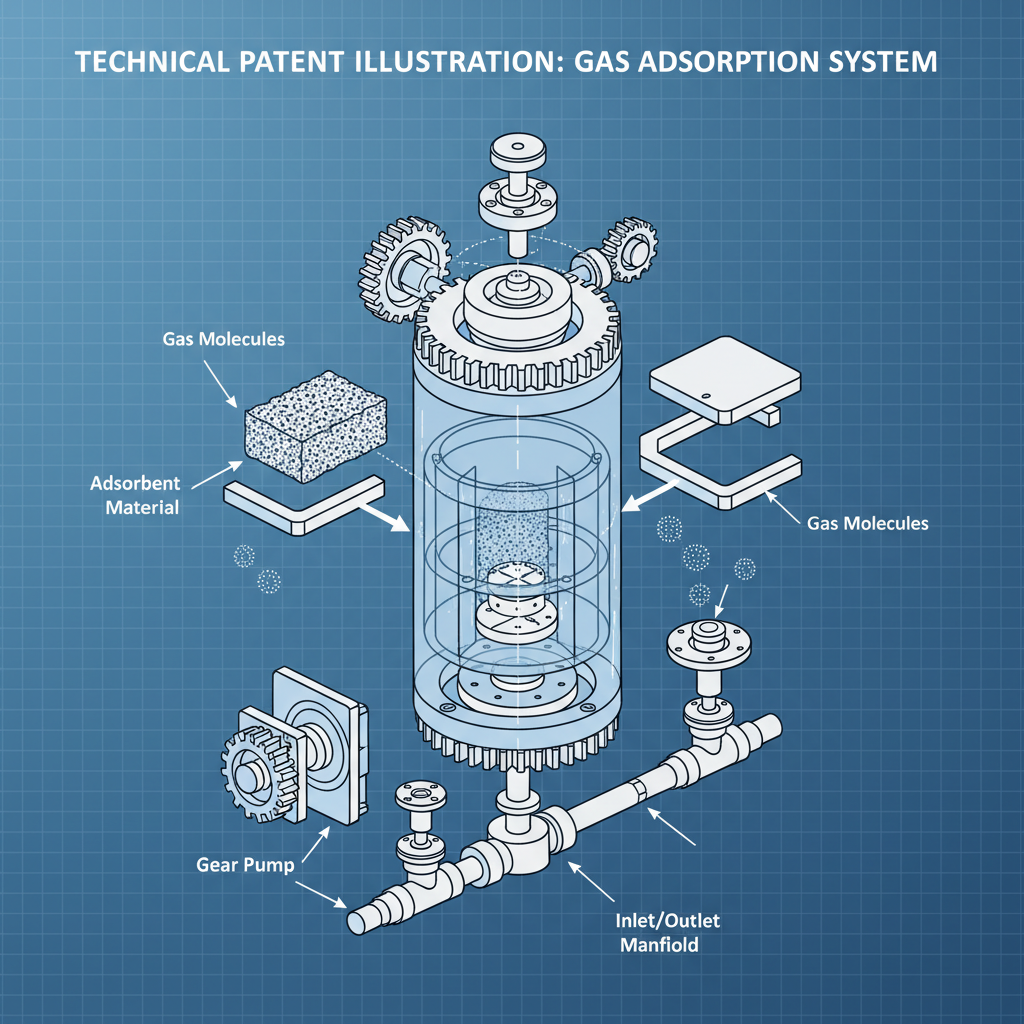
Adsorption is a surface phenomenon where gas molecules adhere to the surface of a solid or liquid (the adsorbent). This differs from absorption, where the gas penetrates the volume of the adsorbent. The process is driven by intermolecular forces, such as van der Waals forces, electrostatic interactions, and chemical bonding. The extent of adsorption is influenced by several factors including the adsorbent’s surface area, pore size distribution, temperature, and the partial pressure of the gas. HBGX Chemical specializes in developing adsorbents with tailored properties to maximize efficiency for specific gas separations.
Key Considerations: The selection of appropriate adsorbent material is crucial for achieving optimal adsorption performance and minimizing operational costs.
Various materials can serve as adsorbents, each with its unique characteristics and applications. Common types include:
HBGX Chemical offers a comprehensive portfolio of adsorbents, including activated carbon, zeolites, and specialized MOFs tailored for specific gas adsorption applications.
Several factors significantly influence the efficiency of gas adsorption:
Optimizing these factors is crucial for maximizing the performance of adsorption processes. HBGX Chemical’s technical team provides support in selecting and customizing adsorbents to optimize adsorption for specific conditions.
Key Factors for Optimizing Gas Adsorption:
• Temperature control is critical for maximizing adsorption capacity.
• Higher pressure generally increases the adsorption rate.
• Surface area and pore size distribution are key adsorbent characteristics.
The principles of gas adsorption are utilized in numerous industrial applications, including:
HBGX Chemical is dedicated to providing high-quality adsorption materials and technical support to meet your specific needs. Our extensive range of products, combined with our expertise in adsorption science, enables us to deliver tailored solutions that optimize performance and efficiency. We focus on providing sustainable and cost-effective solutions for a wide range of industries.
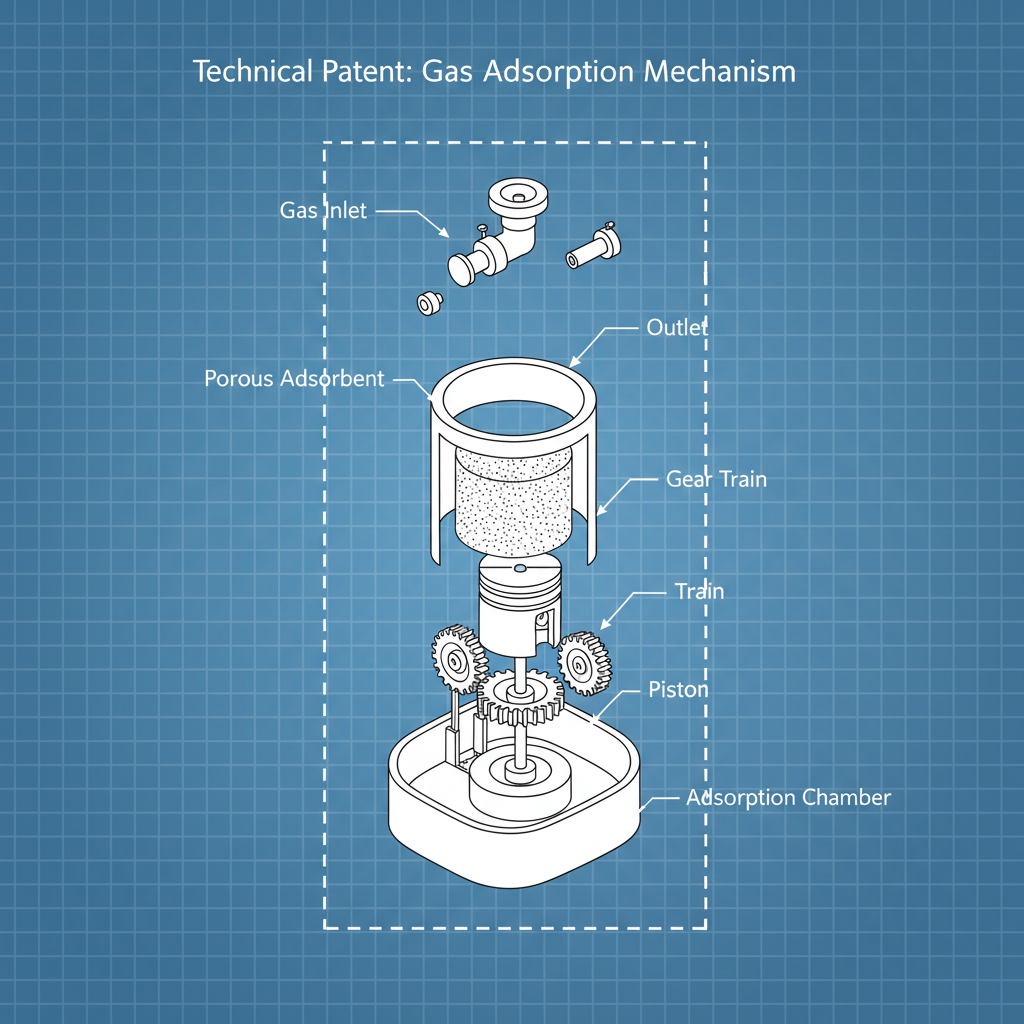
Understanding the principles and applications of gas adsorption is essential for optimizing industrial processes. HBGX Chemical provides cutting-edge adsorbent materials and expert support to help you achieve your goals. Contact us today to discuss your specific requirements.
Adsorption offers several advantages compared to other separation techniques like distillation or absorption. It generally requires less energy, operates at lower temperatures, and can achieve higher selectivity for specific gases. Adsorption processes are also relatively simple to operate and maintain. Furthermore, adsorption is well-suited for separating gases with close boiling points, which can be challenging for distillation. Choosing the right adsorbent and operating conditions is crucial for maximizing these benefits.
Selecting the right adsorbent involves considering several factors, including the target gas, operating conditions (temperature, pressure), and desired purity. Key properties to consider include surface area, pore size distribution, and the strength of interactions between the adsorbent and the gas. HBGX Chemical’s team of experts can assist you in evaluating your specific requirements and recommending the most suitable adsorbent.
Pressure Swing Adsorption (PSA) is a versatile adsorption process used for separating gases by cycling the pressure of the adsorption bed. At high pressure, gases are adsorbed onto the adsorbent material. Reducing the pressure allows the adsorbed gases to be desorbed, effectively separating them. This cycle is repeated continuously, providing a continuous stream of purified gas. PSA is widely used for applications such as oxygen and nitrogen generation.
Hydrotalcite PVC Stabilizer Organic Solvent Solubility


 English
  Arabic
  Belarusian
  Bengali
  Bulgarian
  Finnish
  French
  German
  Hebrew
  Hindi
Hindi  Hungarian
  Indonesian
  Italian
  Japanese
  Korean
  Persian
  Portuguese
  Russian
  Spanish
  Turkish