









Dec . 12, 2025
In an era where the environmental impact of human activity is under unprecedented scrutiny, the quest for sustainable material solutions has never been more critical. The plastics industry, in particular, stands at a crossroads, challenged to balance functionality and convenience with ecological responsibility. The answer lies not in abandonment, but in innovation—specifically, in revolutionizing the very additives that give plastic its longevity. Enter the next generation of plastic recycling additives, with regenerative calcium zinc stabilizer technology at the forefront, powered by advanced components like 6-amino-1,3-dimethyluracil. This is not merely an incremental improvement; it is a transformative approach to closing the loop on plastic waste, creating a truly circular economy.
For decades, the recycling of polyvinyl chloride (PVC) and other sensitive polymers has been fraught with challenges. Repeated exposure to heat during extrusion and reprocessing causes degradation, leading to discoloration, embrittlement, and a loss of mechanical properties. Traditional stabilizers often contained heavy metals, posing environmental and health risks. The industry demanded a safe, effective, and high-performance alternative. This is the gap that modern, complex calcium zinc stabilizer systems have filled, and their efficacy is being dramatically enhanced by sophisticated organic co-stabilizers.
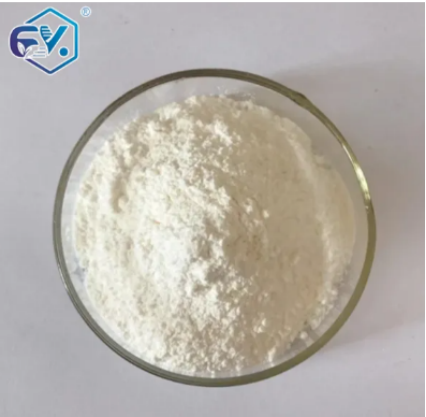
At its core, a calcium zinc stabilizer is a synergistic mixture that protects plastics like PVC from the thermally-induced decomposition that occurs during processing. The mechanism is elegant. As PVC is heated, it releases hydrochloric acid (HCl), which accelerates its own breakdown in a destructive chain reaction. The primary role of the calcium and zinc salts is to sacrificially absorb this HCl, preventing the autocatalytic degradation. However, pure metal soaps have limitations. This is where the magic of advanced co-stabilizers comes into play, transforming a good stabilizer into a regenerative, high-performance one. The latest formulations are engineered to not only halt degradation but to actively maintain the polymer's molecular integrity through multiple recycling loops. This makes them indispensable plastic recycling additives for anyone serious about producing high-quality recycled content.
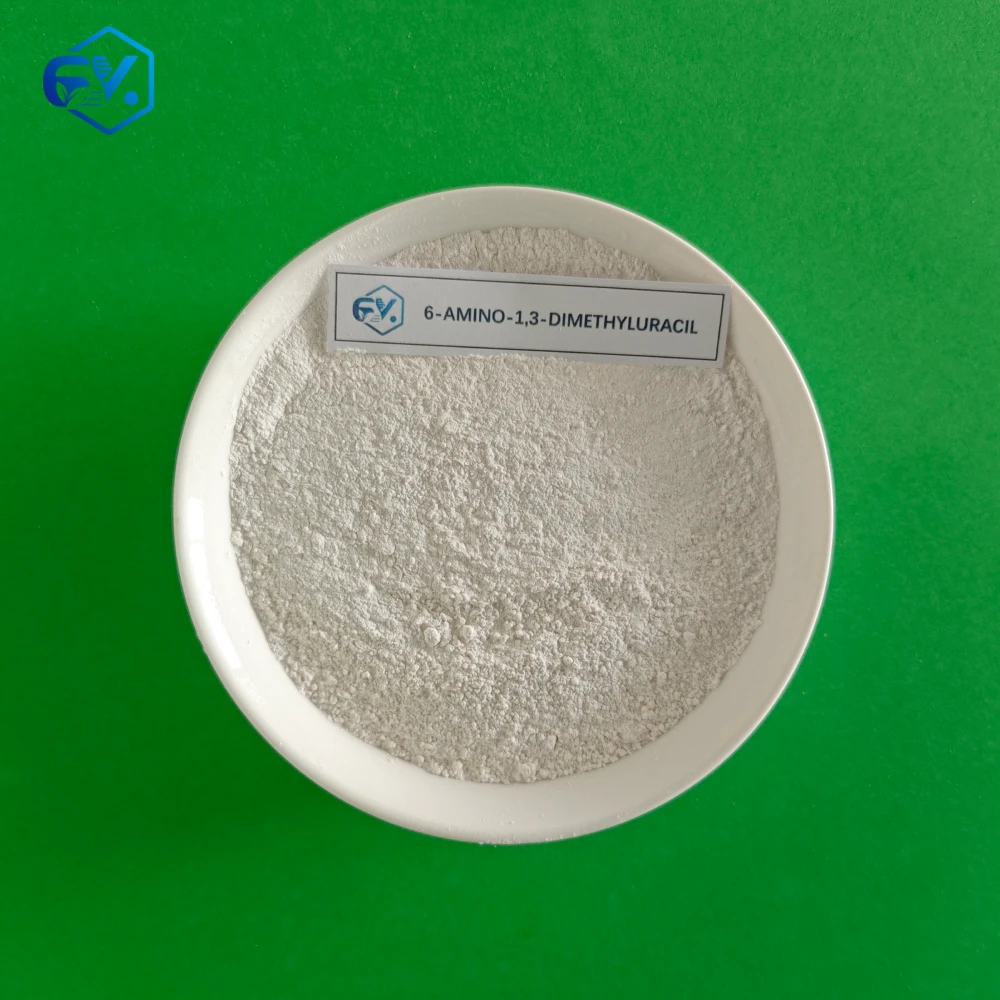
The true breakthrough in modern stabilization technology comes from the integration of powerful organic co-stabilizers. Among these, 6-amino-1,3-dimethyluracil stands out as a critical performance enhancer. This compound is not a passive ingredient; it is an active participant in the stabilization mechanism. While the calcium and zinc components neutralize HCl, 6-amino-1,3-dimethyluracil works by scavenging free radicals and substituting labile chlorine atoms in the PVC backbone, which are the initial points of degradation. This synergistic action significantly boosts the long-term heat stability and initial color hold of the plastic. The result is a calcium zinc stabilizer that offers superior performance, allowing recycled PVC to withstand the rigors of multiple processing cycles without yellowing or losing its structural properties. This makes it an invaluable asset in the toolkit of advanced plastic recycling additives.
The journey from linear consumption to a circular model hinges on our ability to repeatedly reuse materials without downcycling. The integration of high-efficiency plastic recycling additives like our advanced calcium zinc stabilizer is the linchpin of this strategy. A robust calcium zinc stabilizer system, optimally formulated with key components such as 6-amino-1,3-dimethyluracil, ensures that post-consumer and post-industrial plastic waste can be transformed into high-value recycled pellets. These pellets can then be used in demanding applications, from building and construction profiles to durable consumer goods, that were previously the domain of virgin resin. This process, enabled by superior plastic recycling additives, reduces the dependency on fossil fuels, minimizes landfill waste, and lowers the carbon footprint of plastic products. By investing in these advanced additive systems, manufacturers are not just buying a chemical; they are investing in a sustainable operational model and a marketable green credential.
The primary advantages are superior heat stability, excellent color retention, and enhanced safety. Unlike traditional lead-based stabilizers, our calcium zinc stabilizer is non-toxic and environmentally benign. When combined with 6-amino-1,3-dimethyluracil, it provides exceptional long-term stability, allowing recycled plastics to undergo multiple processing cycles with minimal degradation. This results in a higher quality recycled product that can compete with virgin materials.
6-amino-1,3-dimethyluracil acts as a powerful organic co-stabilizer that synergizes with the metal soaps in the calcium zinc stabilizer. It effectively replaces unstable chlorine atoms in the polymer chain and scavenges free radicals, dramatically slowing the degradation process. This leads to better initial color, reduced plate-out, and extended processing windows, making the entire recycling operation more efficient and the output more consistent and valuable.
Absolutely. Our calcium zinc stabilizer, enhanced with 6-amino-1,3-dimethyluracil, is meticulously formulated to be fully compliant with the most stringent international regulations, including EU REACH, RoHS, and TURKEY KKDIK. It contains no heavy metals or restricted substances. The core component, 6-amino-1,3-dimethyluracil, is also officially registered under EU REACH, ensuring full market access and peace of mind for our global customers.
Yes, our calcium zinc stabilizer not only matches but often exceeds the performance of traditional stabilizers in many applications. The advanced synergy between the calcium zinc stabilizer and 6-amino-1,3-dimethyluracil delivers heat stability and color control that are ideal for demanding applications. Furthermore, it achieves this high performance without the environmental and health liabilities, making it the superior, future-proof choice for responsible manufacturers.
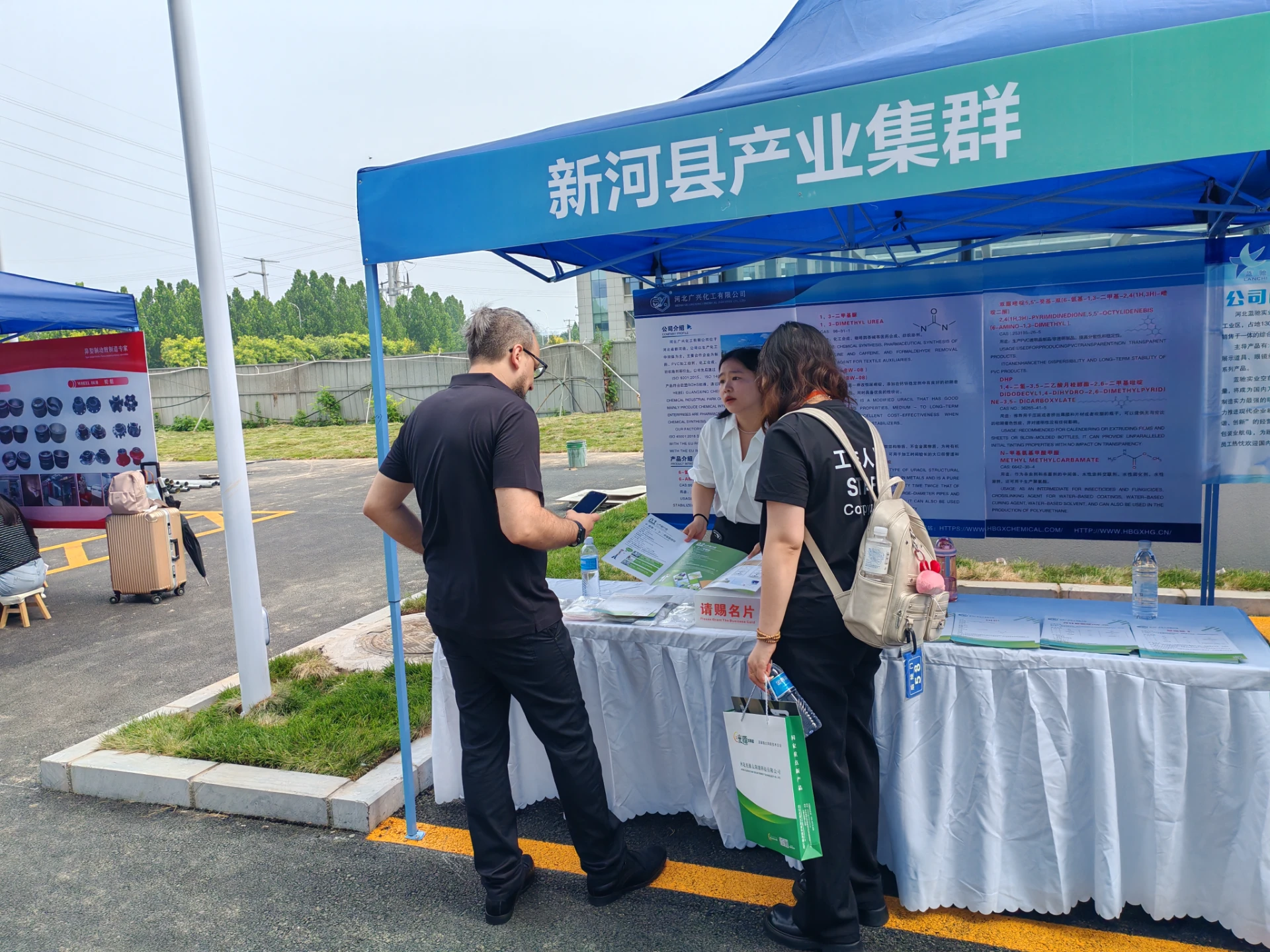
Our company is a pioneer and the largest dedicated producer of uracil-based compounds for PVC stabilizers in China. As a high-tech enterprise certified with ISO 9001, ISO 14001, and ISO 45001, we command the entire production chain from raw materials to the final high-purity 6-amino-1,3-dimethyluracil. This ensures unmatched quality control, supply stability, and continuous R&D-driven product improvement. Partnering with us means accessing cutting-edge technology and expert support to future-proof your products.
|
Parameter |
Specification |
|
Place of origin |
Hebei, China |
|
Type |
Calcium Zinc Stabilizer Additive |
|
Field |
Calcium Zinc Stabilizer Supplier |
|
Other names |
6-Amino-1,3-dimethyluracil |
|
CAS No. |
6642-31-5 |
|
Molecular formula |
C6H9N3O2 |
|
Molecular weight |
155.15 |
|
Einecs rn |
229-662-0 |
|
Brand name |
Guangxing |
|
Application |
Plasticizer, heat stabilizer and pharmaceutical intermediates |
|
Appearance |
Off-white to light yellow powder |
|
Package |
25kg/bag |
|
Chromatographic purity |
≥99.0% |
|
Loss on drying |
≤1.0% |
|
Melting point |
295℃(dec.)(lit.), (293℃) decomposes |
|
Sample |
Available |
|
Certification |
EU REACH/TURKEY KKDIK/EU ROHS/ISO 9001:2015/ISO 14001:2015/ISO 45001:2018 |
In conclusion, the path to a sustainable plastic future is being paved by technological innovation. By embracing regenerative calcium zinc stabilizer systems enhanced with high-purity 6-amino-1,3-dimethyluracil, the industry can finally unlock the full potential of plastic recycling. This is more than an additive; it's a commitment to a cleaner, circular world.
The Role of Calcium Zinc Stabilizer for PVC in Sustainable Manufacturing


 English
  Arabic
  Belarusian
  Bengali
  Bulgarian
  Finnish
  French
  German
  Hebrew
  Hindi
Hindi  Hungarian
  Indonesian
  Italian
  Japanese
  Korean
  Persian
  Portuguese
  Russian
  Spanish
  Turkish