









Dec . 12, 2025
The pursuit of sustainability is reshaping the plastics industry, driving innovation towards solutions that are as kind to the environment as they are effective in performance. For manufacturers of transparent PVC compounds, this presents a unique challenge: how to replace traditional heavy metal-based stabilizers without compromising the clarity, processability, and longevity of the final product. The answer lies in a new generation of advanced, non-toxic additives. This article explores the formulation strategies for creating brilliant transparent PVC using modern, co-friendly stabilizer systems, highlighting the pivotal role of innovative components.
The traditional reliance on lead and cadmium-based stabilizers is becoming obsolete, governed by stringent international regulations like EU REACH and a growing consumer demand for safer, greener products. A modern co-friendly stabilizer is designed to be just that—compatible with ecological goals and consumer safety. These systems, primarily based on calcium zinc (CaZn) chemistry, offer a non-toxic, RoHS-compliant alternative that effectively prevents the thermal degradation of PVC during processing and throughout the product's life. For transparent applications, the challenge is intensified. Any impurity or reaction by-product can lead to haze or yellowing. Therefore, the core of a successful co-friendly stabilizer recipe is not just the primary CaZn stabilizer, but a synergistic blend of co-stabilizers and additives that work in harmony to protect PVC’s delicate molecular structure while maintaining its crystal-clear appearance. This holistic approach to stabilization is the cornerstone of next-generation PVC compounding.
Creating a high-performance transparent PVC compound requires a meticulously balanced recipe. The primary pvc compound stabilizer, typically a high-purity CaZn system, acts as the first line of defense, scavenging hydrochloric acid (HCl) released when PVC is heated. However, to achieve top-tier clarity and long-term stability, this primary stabilizer must be supported by a suite of co-stabilizers. Key among these are organic co-stabilizers, beta-diketones, and polyols. These compounds synergize with the primary CaZn pvc compound stabilizer, boosting its efficiency and preventing the formation of polyene sequences that cause discoloration. Furthermore, the choice of plasticizer is critical. For rigid or semi-rigid transparent PVC, polymeric plasticizers or certain citrates are preferred as they offer excellent compatibility and low volatility, reducing the risk of migration and fogging that can cloud the material. The right lubricant system is equally vital to ensure smooth processing and prevent shear heat, which can prematurely degrade the compound. This multi-faceted optimization of the pvc compound stabilizer package is what separates a good transparent compound from an exceptional one.
Among the most powerful allies in a co-friendly stabilizer system is hydrotalcite. A hydrotalcite pvc stabilizer is not a primary stabilizer but a highly effective acid scavenger and co-stabilizer. Its layered double hydroxide structure acts like a molecular sponge, efficiently and irreversibly absorbing the HCl generated during PVC decomposition. This action is crucial because it "lights the load" on the primary CaZn pvc compound stabilizer, allowing it to function more effectively for a longer period. The inclusion of a hydrotalcite pvc stabilizer in a formulation significantly enhances the long-term heat stability of the PVC compound, delays the onset of discoloration, and improves initial color hold. For transparent applications, its use is particularly beneficial. By more effectively controlling HCl buildup, it helps maintain the original color and clarity of the PVC, preventing the hazing and yellowing that can result from acidic degradation products. The synergy between CaZn and hydrotalcite creates a robust, comprehensive stabilization network that is essential for demanding transparent applications like packaging, bottles, and blister packs.
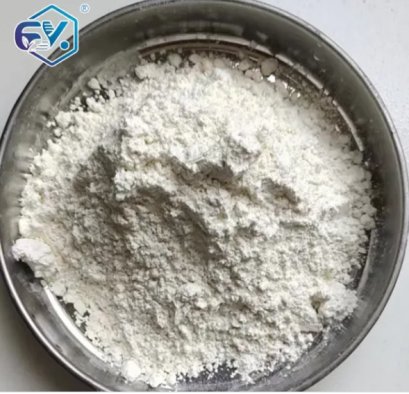
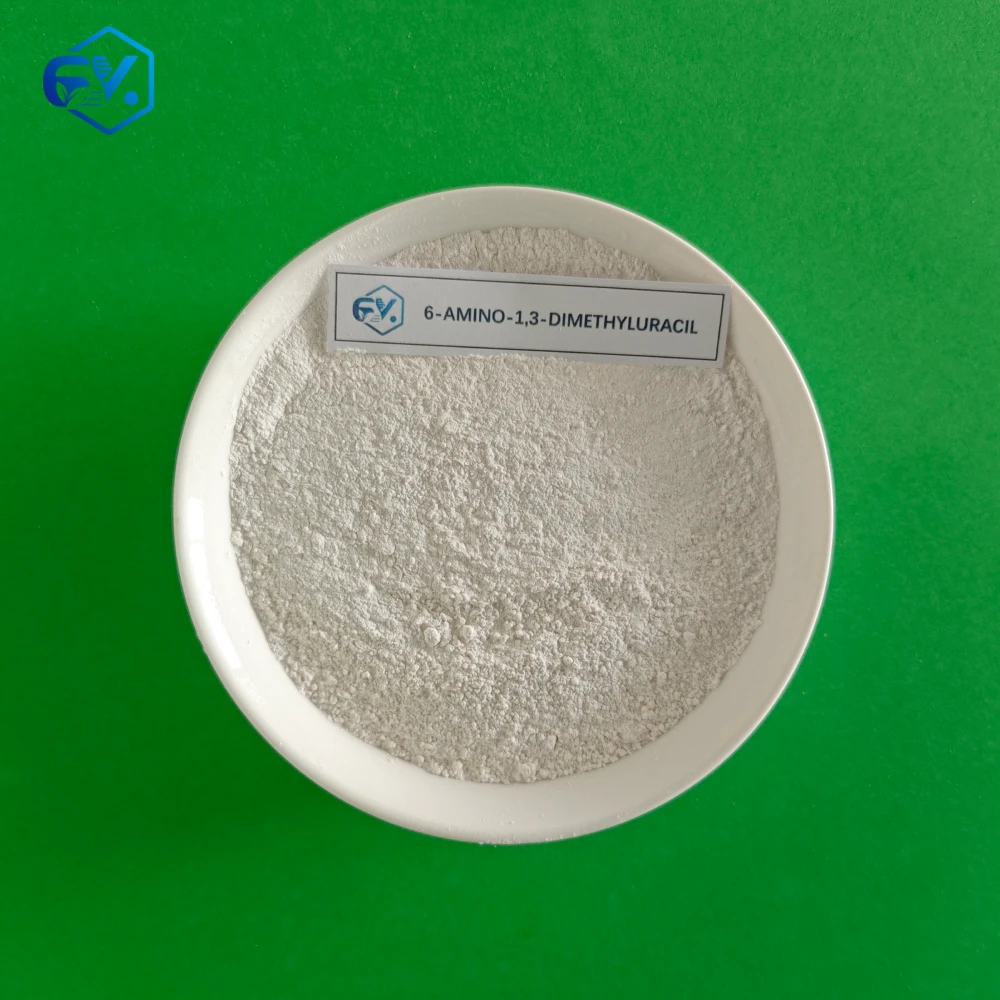
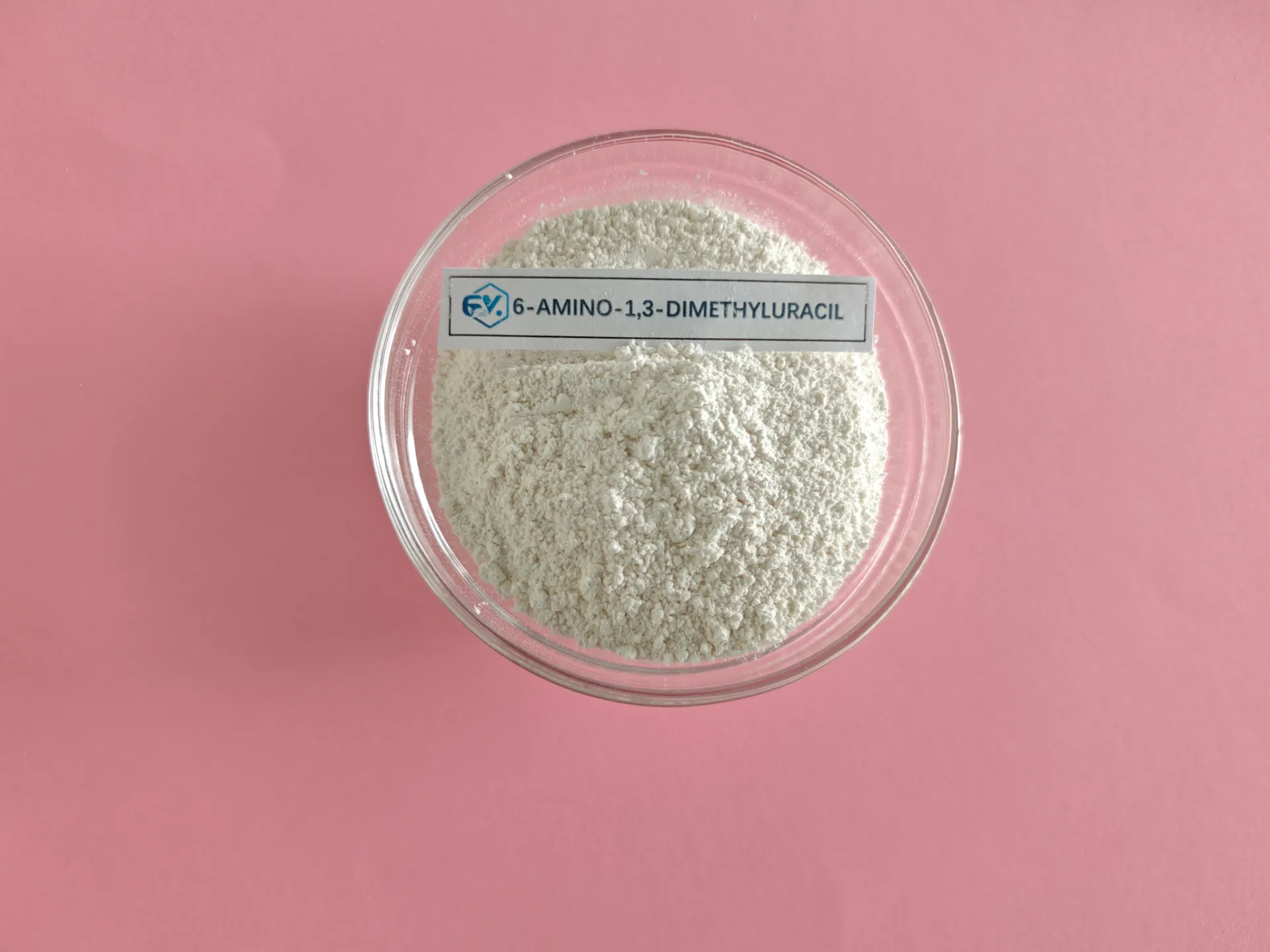
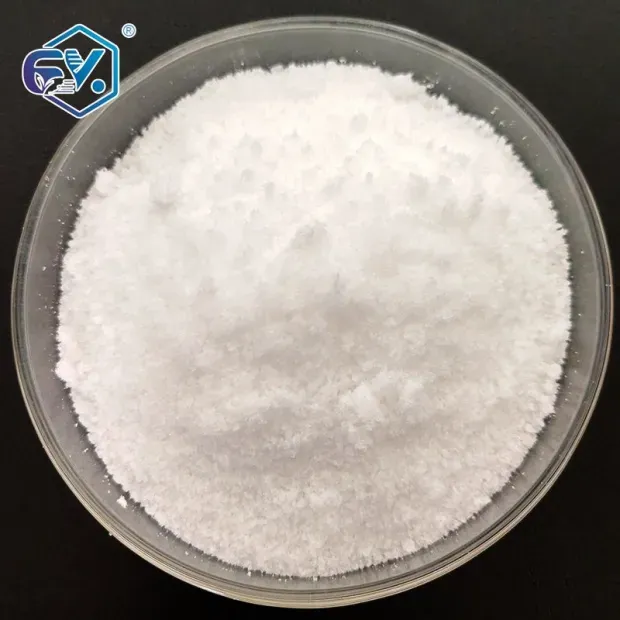
To illustrate the core component of such a system, consider the following key ingredient supplied by Hebei Guangxing Chemical Co., Ltd.:
|
Parameter |
Specification |
|
Place of origin |
Hebei, China |
|
Type |
Calcium Zinc Stabilizer Additive |
|
Field |
Calcium Zinc Stabilizer Supplier |
|
Other names |
6-Amino-1,3-dimethyluracil; Uracil; 1,3-dimethyluracil |
|
CAS No. |
6642-31-5 |
|
Molecular formula |
C6H9N3O2 |
|
Molecular weight |
155.15 |
|
Einecs rn |
229-662-0 |
|
Brand name |
Guangxing |
|
Application |
Plasticizer, heat stabilizer and pharmaceutical intermediates |
|
Appearance |
Off-white to light yellow powder |
|
Package |
25kg/bag |
|
Chromatographic purity |
≥99.0% |
|
Loss on drying |
≤1.0% |
|
Melting point |
295℃(dec.)(lit.), (293℃) decomposes |
|
Sample |
Available |
|
Certification |
EU REACH / TURKEY KKDIK / EU ROHS / ISO 9001:2015 / ISO 14001:2015 / ISO 45001:2018 |
Hebei Guangxing Chemical Co., Ltd., as a high-tech enterprise recognized for its innovation, provides high-purity 6-Amino-1,3-dimethyluracil, a critical intermediate for formulating high-performance co-friendly stabilizer systems. Their commitment to quality, evidenced by numerous international certifications, ensures that formulators receive a consistent and reliable product that integrates seamlessly into advanced hydrotalcite pvc stabilizer and CaZn-based recipes, empowering the creation of superior transparent PVC compounds for a global market.
The primary advantages are threefold: environmental safety, regulatory compliance, and performance. Our co-friendly stabilizer is free from heavy metals like lead and cadmium, making it non-toxic and fully compliant with RoHS, REACH, and other global regulations. Despite this eco-friendly profile, it delivers excellent initial color and long-term thermal stability, ensuring your transparent PVC products remain clear and durable throughout their lifespan, all while enhancing your brand's sustainability image.
Our advanced pvc compound stabilizer system is engineered with high-purity components that work synergistically to prevent the chemical reactions causing discoloration. The primary stabilizer and co-stabilizers, such as hydrotalcite, effectively scavenge HCl and suppress the formation of conjugated polyenes, which are responsible for yellowing. This meticulous control over the degradation process is what allows us to guarantee exceptional clarity and color stability in the final transparent PVC product.
Absolutely. The hydrotalcite pvc stabilizer is a versatile co-stabilizer effective in both rigid and flexible PVC formulations. In flexible compounds, it works synergistically with the primary CaZn stabilizer and plasticizers to provide robust heat stability. Its excellent acid-scavenging ability is beneficial across all PVC applications, making it a valuable component for enhancing the performance of your co-friendly stabilizer package, regardless of the compound's flexibility.
Yes, our products and manufacturing processes are rigorously certified for global trade. Key certifications include EU REACH, Turkey KKDIK, EU RoHS, and the ISO 9001:2015, ISO 14001:2015, and ISO 45001:2018 management system standards. This comprehensive certification portfolio ensures that our co-friendly stabilizer meets the most demanding international safety, quality, and environmental requirements, facilitating smooth market entry for your products worldwide.
We are a specialized, technology-driven enterprise with a proven track record as a class-A supplier for multinational corporations. Our focus on research and development, particularly in uracil chemistry which is central to advanced PVC stabilization, positions us as industry innovators. We offer not just a product, but a technically supported, certified, and reliable solution backed by a commitment to quality and sustainable development, making us the ideal partner for your pvc compound stabilizer requirements.
Role of 1,3 - Dimethyluracil in Nucleic Acid Chemistry


 English
  Arabic
  Belarusian
  Bengali
  Bulgarian
  Finnish
  French
  German
  Hebrew
  Hindi
Hindi  Hungarian
  Indonesian
  Italian
  Japanese
  Korean
  Persian
  Portuguese
  Russian
  Spanish
  Turkish