









Jan . 30, 2026
Calcium chloride (CaCl₂) adsorbent is a versatile material used in various industrial and commercial applications for moisture control, dust suppression, and drying processes. Its hygroscopic nature – meaning it readily absorbs water from the air – makes it highly effective in maintaining dry environments. This article will provide an in-depth look at calcium chloride adsorbent, including its properties, applications, advantages, and considerations for choosing the right type. HBGX Chemical is a leading provider of high-quality calcium chloride products for a wide range of needs.
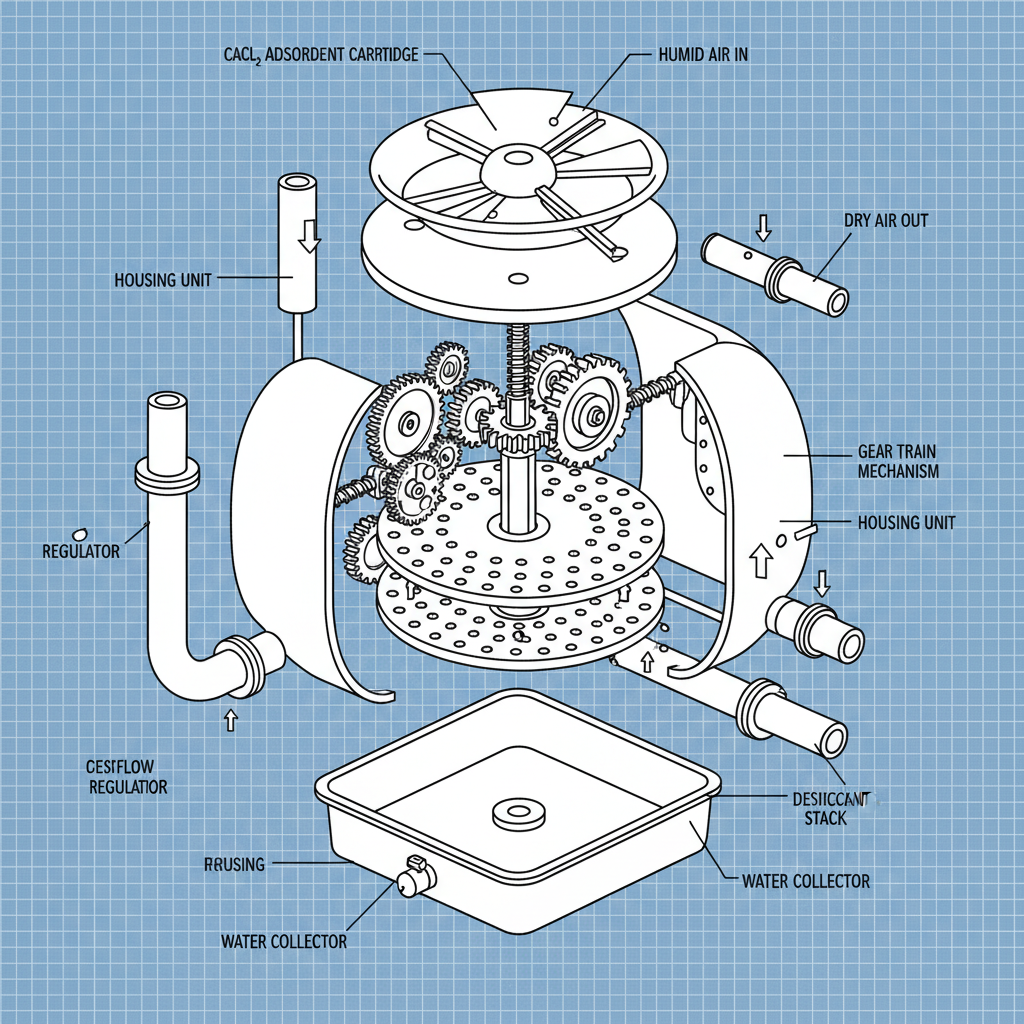
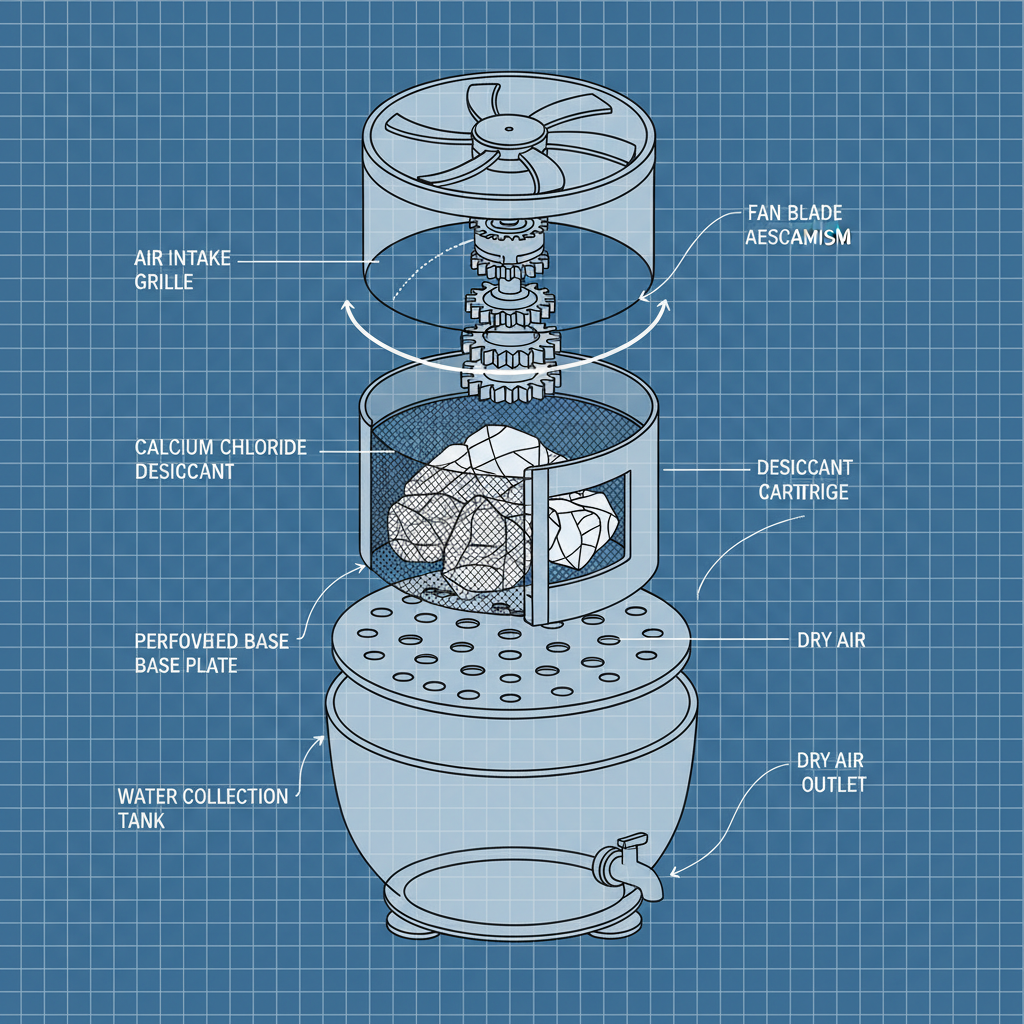
Calcium chloride adsorbent comes in various forms, including pellets, flakes, and granules. The specific form affects its absorption rate and suitability for different applications. The material works by drawing moisture from the surrounding air through a process called deliquescence, where it dissolves in the absorbed water, forming a liquid solution. This process effectively lowers humidity levels and prevents condensation. HBGX Chemical's calcium chloride offers consistent quality and performance.
Key Highlights: Calcium chloride's hygroscopic properties make it an efficient and cost-effective solution for moisture control, utilized across diverse industries from construction to pharmaceuticals.
The applications of calcium chloride adsorbent are extensive. It's commonly used in desiccant breathers for transformers to prevent oil degradation caused by moisture. It’s also a critical component in dehumidifiers for warehouses, storage facilities, and manufacturing plants. Other common uses include dust control on unpaved roads, ice and snow removal, and as a drying agent in various chemical processes. Furthermore, it’s frequently employed in food packaging to maintain product freshness and prevent spoilage. Choosing the right grade of calcium chloride is crucial for optimal performance in each application.
Application Areas:
• Desiccant Breathers
• Warehouses and Storage Facilities
• Dust Control
• Food Packaging
While several desiccants are available, calcium chloride offers unique advantages. Compared to silica gel, calcium chloride generally has a higher moisture absorption capacity. However, silica gel can be regenerated by heating, whereas calcium chloride becomes a liquid solution once saturated. Molecular sieves offer high selectivity for certain molecules but are typically more expensive than calcium chloride. The choice of desiccant depends on the specific application requirements and cost considerations. HBGX Chemical provides expert advice to help you select the optimal desiccant for your needs.
HBGX Chemical offers a range of calcium chloride adsorbent grades to meet diverse industrial needs. These include technical grade, food grade, and anhydrous grades. The specifications vary based on purity, particle size, and moisture content. We provide detailed product data sheets outlining these specifications, ensuring you choose the right product for your application.
Selecting the appropriate calcium chloride adsorbent is crucial for achieving optimal performance in your specific application. HBGX Chemical offers a comprehensive range of grades, backed by stringent quality control and expert technical support. We are dedicated to providing solutions that meet your unique requirements and contribute to the efficiency of your operations. Contact us today to learn more about how calcium chloride adsorbent can benefit your business.
While calcium chloride is generally considered safe, it can cause irritation to the skin and eyes. It's recommended to wear appropriate personal protective equipment (PPE), such as gloves and safety glasses, when handling the material. Avoid inhaling dust and ensure adequate ventilation. In case of contact with skin or eyes, rinse thoroughly with water. Consult the Safety Data Sheet (SDS) for detailed safety information. HBGX Chemical provides SDS documentation for all our products.
While both products are calcium chloride, they are processed differently and intended for different purposes. Calcium chloride flakes used for de-icing typically have a lower purity and a larger particle size. Calcium chloride adsorbent is manufactured to have a specific particle size and higher purity, making it more effective for moisture absorption. The adsorbent form is designed to maximize surface area and absorption capacity, unlike the de-icing flakes which are formulated for rapid ice melting.
Calcium chloride adsorbent, when stored properly in a dry environment, has a virtually unlimited shelf life. However, exposure to humidity can cause it to absorb moisture and become less effective. It's recommended to store the product in sealed containers to prevent moisture absorption. Proper storage ensures its continued efficacy and prevents clumping or caking.
Yes, calcium chloride adsorbent can be used in closed systems, however, it's important to consider the resulting liquid solution. As it absorbs moisture, it will dissolve into a brine. The system must be designed to accommodate this liquid and have a way to manage or remove it. Proper design and monitoring are crucial to prevent issues like corrosion or system overload.
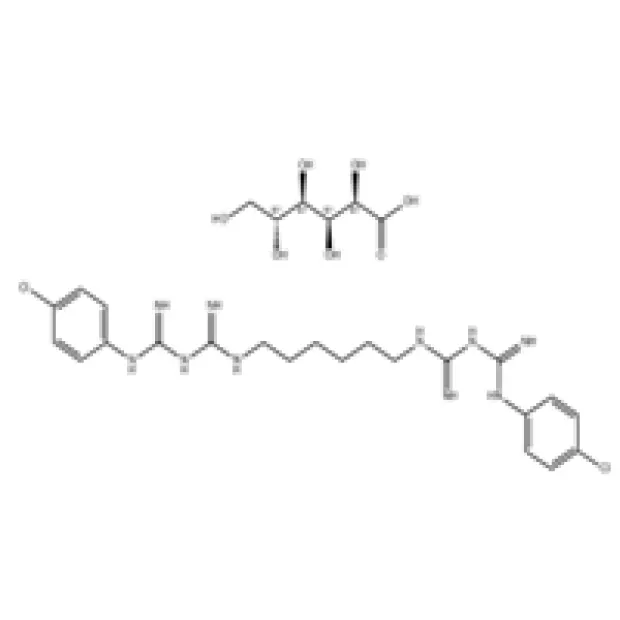
Chlorhexidine Gluconate: Potent Antiseptic for Skin & Oral Care


 English
  Arabic
  Belarusian
  Bengali
  Bulgarian
  Finnish
  French
  German
  Hebrew
  Hindi
Hindi  Hungarian
  Indonesian
  Italian
  Japanese
  Korean
  Persian
  Portuguese
  Russian
  Spanish
  Turkish