









Dec . 29, 2025
Organic synthesis is a sophisticated process that requires precise control over functional groups to ensure the success of target reactions. Protecting groups play a crucial role in shielding reactive functional groups from unwanted side reactions, and DHP protecting group (dihydropyran protecting group) stands out as a widely used option in this field. Paired with DHP reagent and core components like 1 4 dhp, it enables chemists to achieve selective synthesis efficiently. Hebei Guangxing Chemical Co., Ltd., established in January 2013 and located in the Chemical Industrial Park of Xinhe County, Xingtai City, Hebei Province, covers an area of 90 acres. As a professional chemical manufacturer focusing on products such as 1,3-dimethylurea and 6-amino-1,3-dimethyluracil, the company also provides high-quality DHP reagent and DHP protecting group related intermediates, supporting the advancement of organic synthesis research and industrial production.
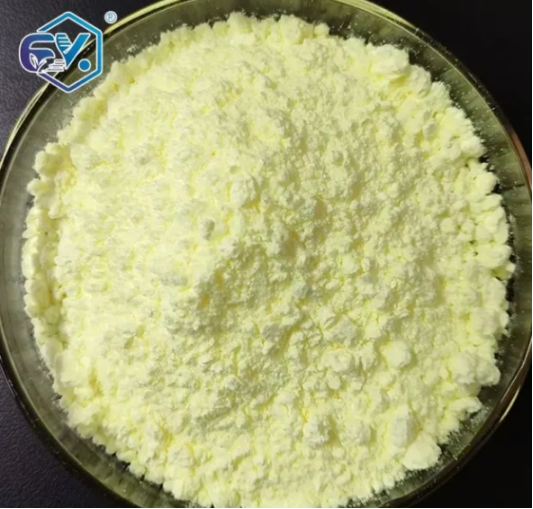
|
Component Type |
Chemical Properties |
Role in DHP Protection |
Hebei Guangxing Chemical's Product Advantages |
|
DHP Reagent |
Colorless to pale yellow liquid, boiling point around 85-87℃, soluble in ether, dichloromethane, and other organic solvents, stable under anhydrous conditions |
Provides DHP protecting group for the reaction, reacts with hydroxyl groups to form THP ethers; the purity of the reagent directly affects the protection efficiency and selectivity |
High purity (≥99%), low water content, minimal impurities; strict quality control ensures stable reaction performance and reduces side reactions |
|
1 4 dhp |
Colorless crystalline solid, melting point 22-24℃, easily polymerized under light, soluble in most organic solvents |
Core raw material for synthesizing DHP reagent and DHP protecting group; its structural integrity ensures the reactivity of the final protecting group |
High structural purity, low polymerization rate; provides reliable raw material support for DHP reagent production, ensuring product quality stability |
|
Acid Catalyst (Auxiliary) |
Commonly used catalysts include p-toluenesulfonic acid, camphorsulfonic acid, and pyridinium p-toluenesulfonate (PPTS); mild acidity |
Promotes the reaction between DHP protecting group and hydroxyl groups, accelerates the formation of THP ethers without causing excessive side reactions |
Provides matching high-purity catalysts; offers technical guidance on catalyst selection and dosage to optimize protection efficiency |
|
Deprotection Reagent (Auxiliary) |
Commonly used are dilute hydrochloric acid, acetic acid-water system, and pyridinium p-toluenesulfonate in methanol; mild reaction conditions |
Facilitates the removal of DHP protecting group after the target reaction, regenerating hydroxyl groups with high efficiency |
Provides customized deprotection reagent matching schemes; ensures the deprotection process is efficient and does not damage target molecules |
DHP protecting group is mainly used to protect hydroxyl groups (primary, secondary, and tertiary hydroxyl groups) in organic synthesis. It can also react with other weakly acidic functional groups (such as thiols) under specific conditions, but its application is most mature and widely used for hydroxyl protection. It should be noted that DHP protecting group is not suitable for protecting strongly acidic functional groups (such as carboxylic acids) or amino groups, as these groups may react with DHP reagent in unexpected ways. Hebei Guangxing Chemical's technical team can provide targeted protection solutions based on the functional groups of the substrate.
To ensure selectivity, three key measures can be taken: first, utilize the steric hindrance difference of hydroxyl groups – DHP protecting group preferentially reacts with primary hydroxyl groups (smaller steric hindrance) under normal conditions; second, optimize reaction conditions – lower reaction temperature (0-5℃) and shorter reaction time can enhance the selectivity for primary hydroxyl groups; third, use modified DHP reagent or add specific ligands to adjust the reactivity of the protecting group. Hebei Guangxing Chemical can provide modified DHP reagent and technical guidance to achieve selective protection of specific hydroxyl groups.
Common side reactions include polymerization of DHP reagent (caused by high temperature or strong acid) and over-protection (protecting unwanted hydroxyl groups). To avoid these: first, control reaction temperature below 30℃ and use mild acid catalysts (such as PPTS) to reduce polymerization; second, accurately control the dosage of DHP reagent (slight excess relative to the target hydroxyl group) and reaction time to avoid over-protection; third, use high-purity DHP reagent and 1 4 dhp to reduce impurities that may trigger side reactions. Hebei Guangxing Chemical's high-quality products and professional technical guidance help minimize side reaction risks.
Yes, DHP protecting group is fully suitable for industrial-scale organic synthesis. Its advantages such as readily available DHP reagent and 1 4 dhp, simple reaction process, mild conditions, and easy deprotection make it compatible with large-scale production. Hebei Guangxing Chemical has large-scale production capacity for DHP reagent and related intermediates, providing stable and high-quality products for industrial customers. The company also offers process optimization solutions to adapt to industrial production conditions, improving efficiency and reducing costs.
Hebei Guangxing Chemical provides comprehensive technical support: first, pre-sales consultation – recommend suitable DHP reagent and 1 4 dhp products according to customer's synthesis needs and substrate characteristics; second, process optimization – guide the selection of catalysts, reaction conditions, and deprotection schemes to improve reaction efficiency and selectivity; third, on-site technical service – solve problems encountered in production and application processes; fourth, customized product development – develop modified DHP reagent for special synthesis requirements to meet personalized needs.
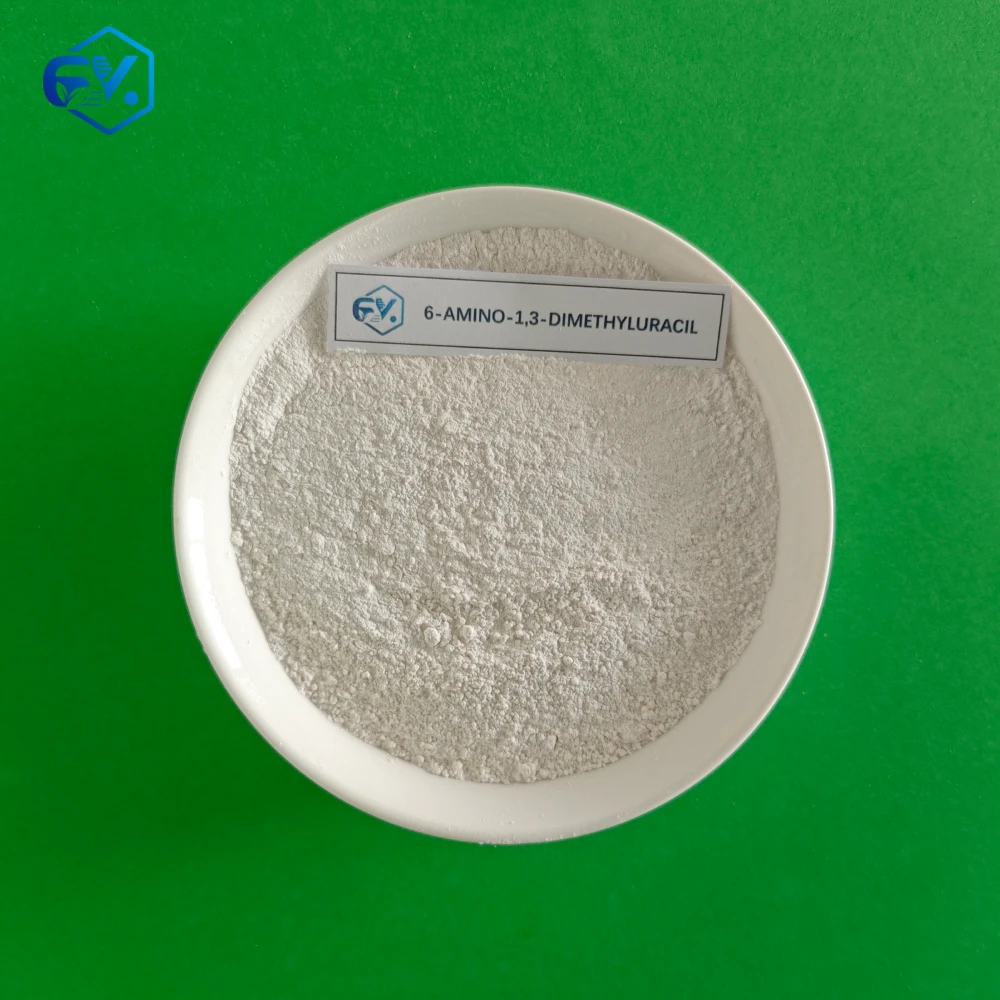
The Role of Chemical Intermediates in Modern Industry and Pharmaceuticals


 English
  Arabic
  Belarusian
  Bengali
  Bulgarian
  Finnish
  French
  German
  Hebrew
  Hindi
Hindi  Hungarian
  Indonesian
  Italian
  Japanese
  Korean
  Persian
  Portuguese
  Russian
  Spanish
  Turkish