




Tel
Email
Tel
whatsapp11 whatsapp21
Wechat
about11 wx21
Top

  • Home
  • News
  • 1,3-Dimethylurea in Synthetic Fragrance Production

1,3-Dimethylurea in Synthetic Fragrance Production

Dec . 29, 2025

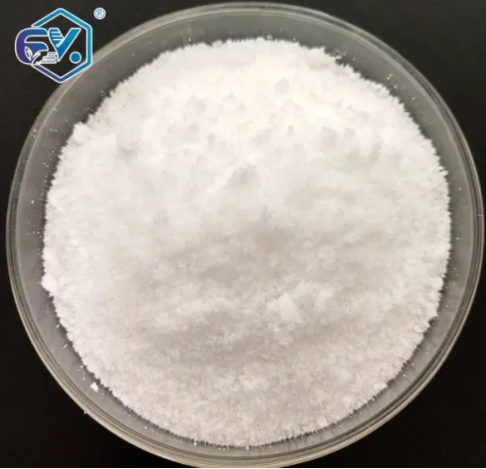
Synthetic fragrances play an indispensable role in the daily chemical, food, and cosmetic industries, with their production relying heavily on high-quality chemical intermediates. 1 3 dimethylurea, a versatile urea derivative, has emerged as a key raw material in synthetic fragrance production, contributing to the synthesis of diverse fragrance compounds with unique aromas. Closely related to 6 amino 1 3 dimethyluracil and 3 3 4 dichlorophenyl 1 1 dimethylurea in terms of chemical structure, it exhibits excellent reactivity and compatibility. Hebei Guangxing Chemical Co., Ltd., established in January 2013 and located in the Chemical Industrial Park of Xinhe County, Xingtai City, Hebei Province, covers an area of 90 acres. As a professional chemical manufacturer, the company boasts an annual output of 5000 tons of 1 3 dimethylurea and 6000 tons of 6 amino 1 3 dimethyluracil, providing high-purity intermediates that meet the strict quality requirements of the synthetic fragrance industry.


1,3-Dimethylurea in Synthetic Fragrance Production


Role of 1 3 Dimethylurea in Synthetic Fragrance Production


  • Key Intermediate for Fragrance Precursor Synthesis: 1 3 dimethylurea serves as a crucial building block in the synthesis of fragrance precursors, such as amides and imides, which are essential for forming the characteristic aroma of synthetic fragrances. Its unique urea structure enables nucleophilic substitution and condensation reactions, providing a stable framework for constructing complex fragrance molecules. Hebei Guangxing Chemical's high-purity 1 3 dimethylurea ensures high reaction efficiency and minimizes side reactions, laying a solid foundation for high-quality fragrance production.


  • Regulating Aroma Characteristics: In the synthesis process, 1 3 dimethylurea can modify the molecular structure of fragrances, thereby adjusting their aroma intensity, persistence, and tone. For example, when used in the synthesis of floral or woody fragrances, it enhances the stability of the fragrance molecules, making the aroma more long-lasting. Compared with other intermediates, 1 3 dimethylurea offers better compatibility with various fragrance synthesis systems, expanding its application scope.


  • Promoting Reaction Selectivity: The use of 1 3 dimethylurea in synthetic fragrance production improves the selectivity of target reactions. It can selectively react with specific functional groups (such as carboxyl groups and amino groups) to form desired fragrance compounds, reducing the generation of by-products. This not only improves the yield of synthetic fragrances but also simplifies the subsequent separation and purification processes, reducing production costs.


  • Linkage with Related Compounds: 1 3 dimethylurea shares structural similarities with 6 amino 1 3 dimethyluracil and 3 3 4 dichlorophenyl 1 1 dimethylurea, and their derivatives can synergistically enhance the fragrance performance. For instance, 6 amino 1 3 dimethyluracil can be used as an auxiliary intermediate to adjust the polarity of fragrance molecules, while 3 3 4 dichlorophenyl 1 1 dimethylurea contributes to the synthesis of special aroma compounds. Hebei Guangxing Chemical's comprehensive product line supports the integrated needs of fragrance manufacturers.


Comparison of 1 3 Dimethylurea 3 3 4 Dichlorophenyl 1 1 Dimethylurea and 6 Amino 1 3 Dimethyluracil in Fragrance Synthesis


Chemical Substance

Chemical Properties

Application in Synthetic Fragrance

Advantages in Fragrance Production

Hebei Guangxing Chemical's Product Features

1 3 Dimethylurea

White crystalline powder, soluble in water and polar organic solvents, stable under normal temperature and pressure, good reactivity in condensation reactions

Synthesis of floral, woody, and fruity fragrance precursors; intermediate for amide-based fragrances

Low toxicity, high reaction selectivity, wide compatibility, low production cost

Annual output 5000 tons, purity ≥99%, stable batch quality, suitable for large-scale fragrance production

3 3 4 Dichlorophenyl 1 1 Dimethylurea

Off-white crystalline solid, slightly soluble in water, soluble in organic solvents such as ethanol, high thermal stability

Synthesis of special spicy and woody fragrances; adjustment of fragrance persistence

Strong aroma fixation ability, unique aroma tone, good compatibility with synthetic fragrance systems

High purity, strict impurity control, meets the requirements of high-end fragrance production

6 Amino 1 3 Dimethyluracil

White to off-white crystalline powder, slightly soluble in water, soluble in polar organic solvents, amino group with high reactivity

Auxiliary intermediate for fragrance synthesis; modification of fragrance polarity and solubility

Improves fragrance solubility in solvents, enhances aroma stability, good synergistic effect with other intermediates

Annual output 6000 tons, high structural purity, provides technical support for fragrance formula optimization

Common Application Scenarios

-

Daily chemical fragrances (perfumes, shampoos), food flavors (beverages, pastries), cosmetic fragrances

Complementary advantages, improving the overall quality and performance of fragrances

Comprehensive product supply, one-stop procurement support, professional technical consultation


Application Scenarios of 1 3 Dimethylurea in Synthetic Fragrance Industry


  • Daily Chemical Fragrances: 1 3 dimethylurea is widely used in the production of daily chemical fragrances, such as perfumes, body lotions, shampoos, and detergents. It is used to synthesize floral fragrances (such as jasmine and rose) and woody fragrances (such as sandalwood and cedar), which are popular among consumers. Hebei Guangxing Chemical's 1 3 dimethylurea has low toxicity and meets the safety requirements of daily chemical products, ensuring the safety of end products.


  • Food Flavors: In the food industry, 1 3 dimethylurea is used to synthesize food flavors, such as fruity flavors (apple, orange) and creamy flavors (vanilla, milk). It can enhance the aroma intensity and persistence of food flavors, making the taste of food more attractive. The high purity of 1 3 dimethylurea ensures that it does not introduce harmful impurities into food, complying with food safety standards.


  • Cosmetic Fragrances: Cosmetics such as lipsticks, foundations, and creams require mild and long-lasting fragrances. 1 3 dimethylurea is used to synthesize mild cosmetic fragrances that are compatible with various cosmetic ingredients. It can also cooperate with 6 amino 1 3 dimethyluracil to adjust the solubility of fragrances in cosmetic matrices, improving the stability of fragrances during storage and use.


  • Specialty Fragrances: 1 3 dimethylurea is also used in the synthesis of specialty fragrances, such as industrial fragrances (for masking odors in plastics and textiles) and tobacco flavors. In these fields, it can be combined with 3 3 4 dichlorophenyl 1 1 dimethylurea to achieve specific aroma effects, meeting the diverse needs of different industries.


Key Factors for Selecting 1 3 Dimethylurea in Synthetic Fragrance Production


  • Purity Level: High purity of 1 3 dimethylurea is crucial for synthetic fragrance production. Impurities may affect the aroma of the final product or cause side reactions. Hebei Guangxing Chemical's 1 3 dimethylurea has a purity of ≥99%, which can ensure the quality and stability of fragrances. It is recommended to select products that meet industrial-grade or food-grade purity standards according to application scenarios.


  • Reaction Compatibility: 1 3 dimethylurea should have good compatibility with other raw materials in the fragrance synthesis system. It should not react with other ingredients to produce unwanted by-products or affect the aroma of the final product. Hebei Guangxing Chemical's technical team provides compatibility testing guidance to help customers select suitable 1 3 dimethylurea


  • Safety and Environmental Protection: Synthetic fragrance production requires compliance with strict environmental protection and safety standards. 1 3 dimethylurea should be low-toxic, environmentally friendly, and easy to handle. Hebei Guangxing Chemical's 1 3 dimethylurea meets global environmental protection regulations (such as REACH, RoHS), ensuring that the production process is safe and environmentally friendly.


  • Batch Consistency: Batch consistency of 1 3 dimethylurea directly affects the stability of fragrance quality. Hebei Guangxing Chemical establishes a complete quality control system to ensure that the purity, reactivity, and other indicators of each batch of 1 3 dimethylurea are consistent. It provides quality inspection reports for each batch, enabling customers to use the product with confidence.


1 3 Dimethylurea FAQs


What Is the Difference Between 1 3 Dimethylurea and 3 3 4 Dichlorophenyl 1 1 Dimethylurea in Synthetic Fragrance Application


The core difference lies in their aroma characteristics and application focus. 1 3 dimethylurea is mainly used to synthesize common floral, woody, and fruity fragrances, with the advantages of wide compatibility and low cost, suitable for large-scale production of daily chemical and food fragrances.3 3 4 dichlorophenyl 1 1 dimethylurea is focused on the synthesis of special spicy and woody fragrances, with strong aroma fixation ability, making the fragrance more long-lasting. It is often used in high-end perfumes and specialty fragrances. Hebei Guangxing Chemical can provide targeted products according to different fragrance production needs.


Can 1 3 Dimethylurea Be Used Together With 6 Amino 1 3 Dimethyluracil in Fragrance Synthesis


Yes, 1 3 dimethylurea and 6 amino 1 3 dimethyluracil can be used together in fragrance synthesis, and they have a good synergistic effect. 1 3 dimethylurea serves as the main intermediate for synthesizing fragrance precursors, while 6 amino 1 3 dimethyluracil can adjust the polarity and solubility of fragrance molecules, improving the compatibility of fragrances with cosmetic or food matrices. Their combination can enhance the aroma stability and persistence of the final product. Hebei Guangxing Chemical provides both products and professional formula optimization guidance to help customers achieve the best application effect.


What Are the Storage Conditions for 1 3 Dimethylurea to Ensure Its Performance in Fragrance Synthesis


To ensure the performance of 1 3 dimethylurea, it should be stored under the following conditions: first, seal and store in a dry and cool warehouse, avoiding moisture and high temperature (storage temperature ≤30℃); second, avoid direct sunlight, as strong light may cause slight decomposition of the product; third, store separately from oxidants and strong acids/alkalis to prevent chemical reactions. Hebei Guangxing Chemical uses moisture-proof and sealed packaging to extend the product's shelf life. Under proper storage conditions, the product can be stored for more than 12 months.


Is 1 3 Dimethylurea Suitable for the Production of Food-Grade Fragrances


Yes, 1 3 dimethylurea is suitable for the production of food-grade fragrances. Hebei Guangxing Chemical's 1 3 dimethylurea meets the requirements of food safety standards, with high purity (≥99%) and low impurity content. It does not contain harmful substances such as heavy metals that exceed the limit. When used in the synthesis of food flavors, it does not affect the safety and taste of food. The company can provide food-grade related certification materials to ensure that the product complies with the food industry's regulatory requirements.


What Technical Support Can Hebei Guangxing Chemical Provide for the Application of 1 3 Dimethylurea in Synthetic Fragrance


Hebei Guangxing Chemical provides comprehensive technical support: first, pre-sales consultation – recommend suitable 1 3 dimethylurea products according to the type of fragrance (daily chemical, food, cosmetic) and synthesis process; second, process optimization – guide customers in optimizing reaction conditions (temperature, time, catalyst) to improve reaction efficiency and fragrance yield; third, product customization – develop 1 3 dimethylurea products with specific purity or particle size according to special fragrance production needs; fourth, after-sales service – solve problems encountered in product use and provide quality tracking services.
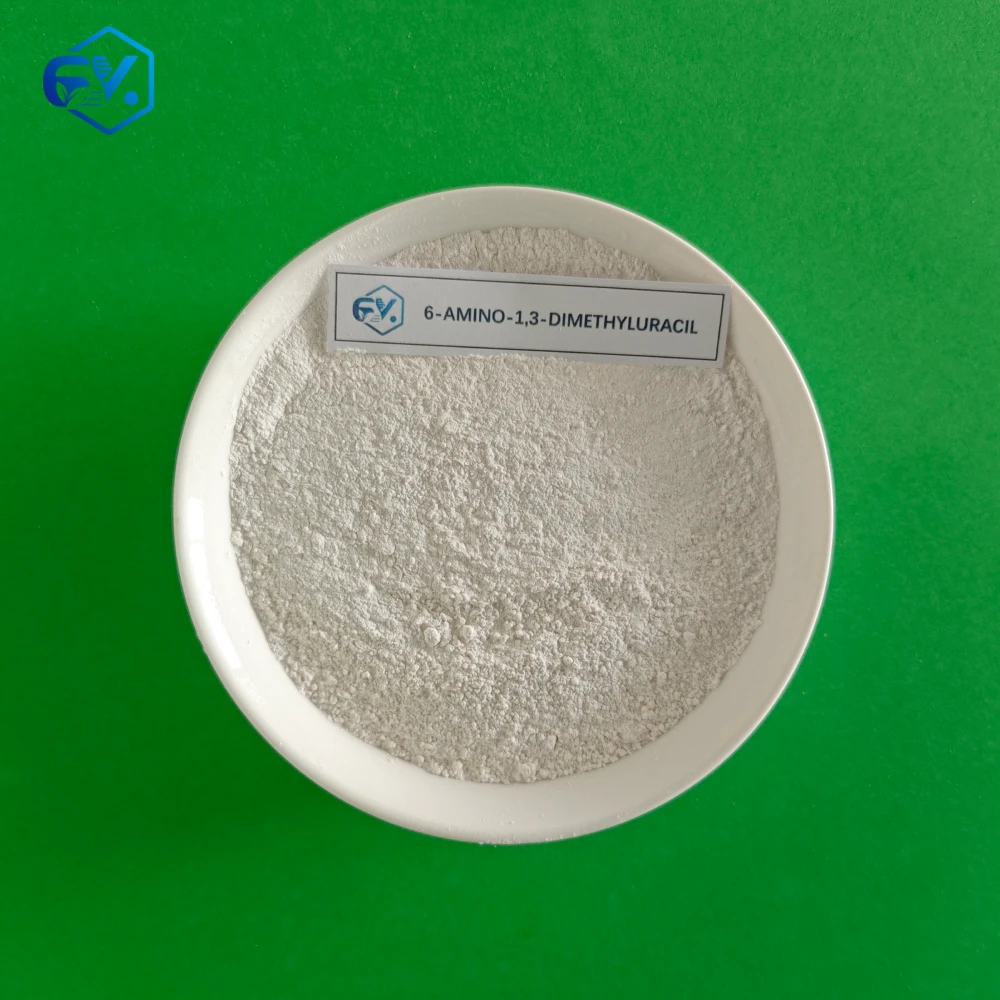
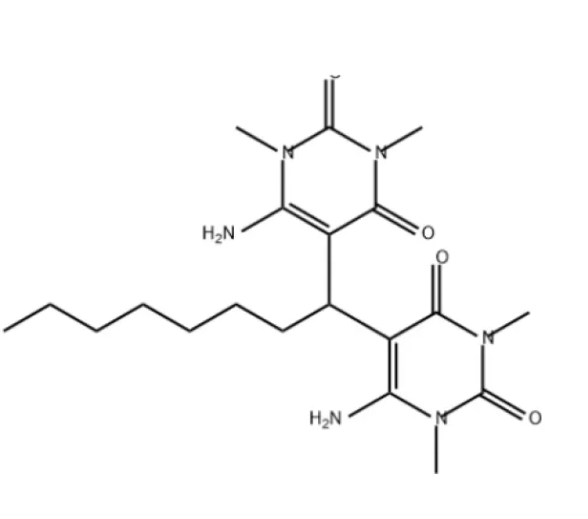
  • 6-Amino-1,3-Dimethyluracil

    6-Amino-1,3-Dimethyluracil

    Cas 6642-31-5 Is Widely Used In The Chemical Industry And Is Mainly Used To Synthesize A Variety Of Chemical Products.
admin@hbgxchemical.com +86 139 3311 0563 f_btn4

If you are interested in our products, you can choose to leave your information here, and we will be in touch with you shortly.


en_USEnglish