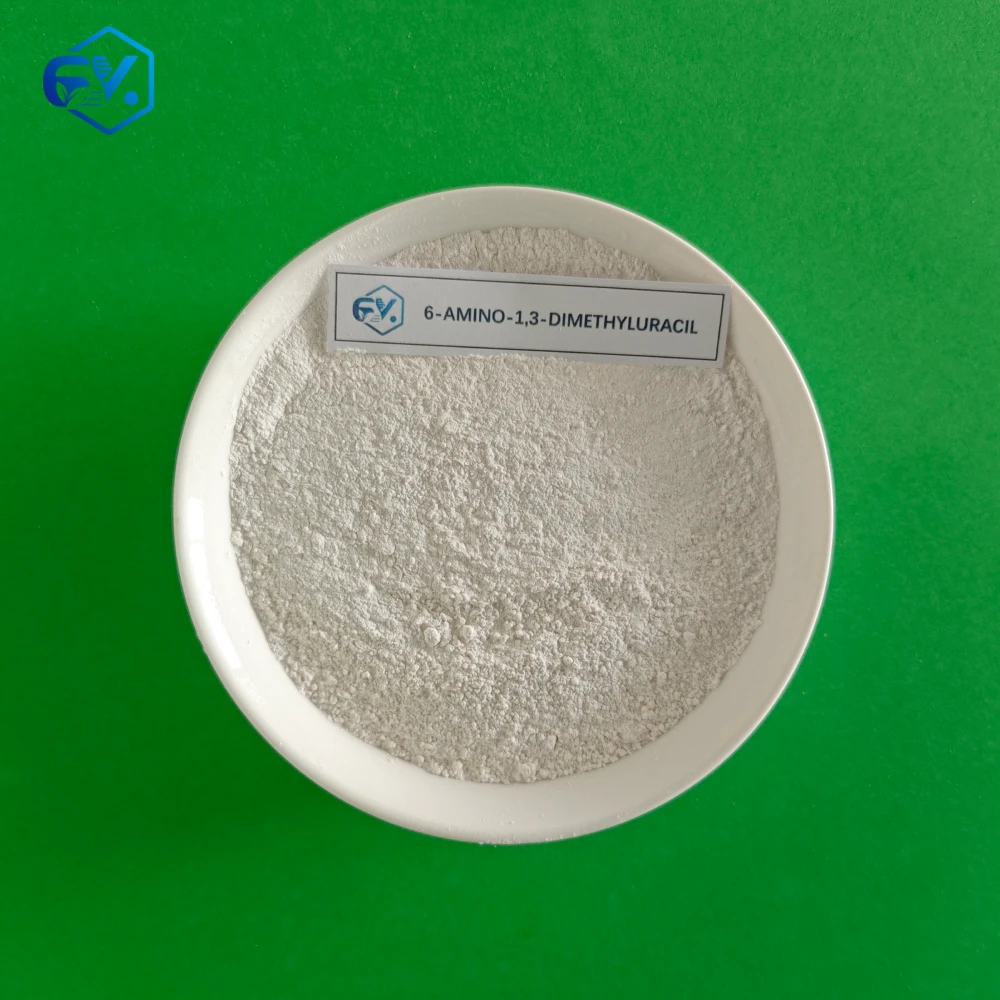
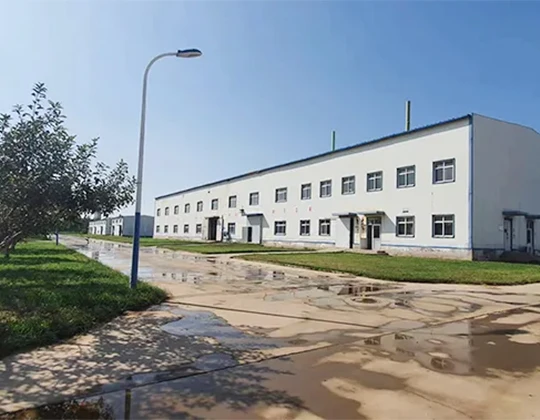
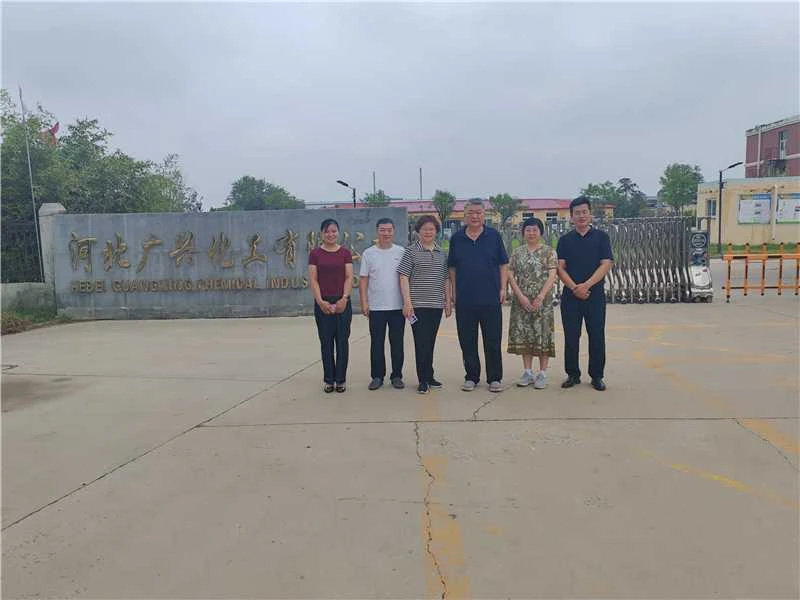
Textile finishing is a critical process that enhances the performance, functionality, and aesthetic appeal of fabrics, making them more suitable for diverse end-use scenarios. cas no 96 31 1, which corresponds to 1 3 dimethylurea (also known as n n dimethyl urea), has become an essential chemical auxiliary in textile finishing due to its excellent reactivity and functional properties. This versatile urea derivative plays a key role in improving fabric characteristics such as wrinkle resistance, color fastness, and durability. Hebei Guangxing Chemical Co., Ltd., established in January 2013 and located in the Chemical Industrial Park of Xinhe County, Xingtai City, Hebei Province, covers an area of 90 acres. As a professional chemical manufacturer, the company boasts an annual output of 5000 tons of 1 3 dimethylurea (cas no 96 31 1) and 6000 tons of 6-amino-1,3-dimethyluracil, providing high-purity products that meet the strict quality requirements of the textile industry.
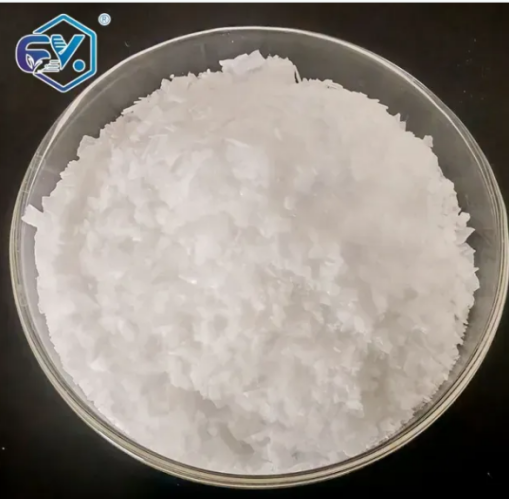
Basic Properties of CAS No 96 31 1 1 3 Dimethylurea
- Core Chemical Characteristics:cas no 96 31 1 identifies 1 3 dimethylurea, also referred to as n n dimethyl urea, with the chemical formula C3H8N2O and a molecular weight of 88.11. It is a white crystalline powder with good solubility in water and polar organic solvents, ensuring easy formulation into textile finishing agents. Hebei Guangxing Chemical's 1 3 dimethylurea has high purity (≥99%), which guarantees consistent performance in textile finishing processes.
- Reactivity and Compatibility: 1 3 dimethylurea(cas no 96 31 1) exhibits excellent reactivity, particularly in cross-linking reactions with textile fibers and other finishing agents. It is highly compatible with common textile auxiliaries such as resins, softeners, and dyes, avoiding unwanted precipitation or reaction interference. This compatibility makes it suitable for a wide range of textile finishing formulations, enhancing the versatility of its applications.
- Safety and Environmental Traits: As a low-toxic chemical, n n dimethyl urea(cas no 96 31 1) meets global textile environmental standards (such as OEKO-TEX® Standard 100). It is easily biodegradable and does not accumulate in the environment or on fabrics, ensuring the safety of finished textiles for human contact. Hebei Guangxing Chemical's production process adheres to strict environmental protection regulations, further reducing the environmental impact of the product.
- Storage Stability: 1 3 dimethylurea maintains good stability under normal storage conditions, with a long shelf life when sealed and stored in a dry, cool environment. This stability ensures that the product retains its reactivity and performance during transportation and storage, reducing losses for textile manufacturers. Hebei Guangxing Chemical uses moisture-proof and sealed packaging to protect the product from external environmental factors.
Comparison of CAS No 96 31 1 1 3 Dimethylurea and N N Dimethyl Urea in Textile Finishing
|
Chemical Substance & CAS No.
|
Chemical Properties
|
Application in Textile Finishing
|
Advantages in Finishing Processes
|
Hebei Guangxing Chemical's Product Features
|
|
1 3 Dimethylurea (CAS No 96 31 1)
|
White crystalline powder, soluble in water and ethanol, melting point 102-104℃, good cross-linking reactivity
|
Wrinkle-resistant finishing, color-fixing agent, resin cross-linking accelerator for cotton, linen, and blended fabrics
|
Enhances fabric wrinkle resistance, improves color fastness, low dosage, compatible with various fibers
|
Annual output 5000 tons, purity ≥99%, stable batch quality, suitable for large-scale textile production
|
|
N N Dimethyl Urea
|
White crystalline solid, soluble in water and polar solvents, melting point 182-184℃, high thermal stability
|
High-temperature resistant finishing, flame-retardant finishing auxiliary, dye diffusion promoter
|
Good thermal stability, enhances flame-retardant effect, improves dye penetration, suitable for high-temperature finishing processes
|
High purity, strict impurity control, consistent performance, supports high-end textile finishing needs
|
|
Common Characteristics
|
Both are urea derivatives, low-toxic, good solubility, compatible with textile auxiliaries
|
Widely used in functional finishing of natural and synthetic fibers
|
Improve fabric functional properties, environmentally friendly, meet textile safety standards
|
Strict quality control, compliance with OEKO-TEX® standards, comprehensive technical support
|
|
Complementary Applications
|
Synergistic reactivity when used together
|
Combined use in high-performance textile finishing (e.g., wrinkle-resistant and flame-retardant integrated finishing)
|
Synergistically enhance multiple functional properties of fabrics, expand application scope of finishing processes
|
One-stop supply of both products, professional formula optimization guidance
|
Key Applications of CAS No 96 31 1 in Textile Finishing
- Wrinkle-Resistant Finishing:cas no 96 31 1(1 3 dimethylurea) is widely used as a cross-linking accelerator in wrinkle-resistant finishing of cotton, linen, and blended fabrics. It reacts with formaldehyde-based or formaldehyde-free resins to form a stable cross-linking network on fiber surfaces, reducing fiber creep and enhancing fabric wrinkle resistance. Finished fabrics maintain a smooth appearance even after repeated washing. Hebei Guangxing Chemical's 1 3 dimethylurea ensures uniform cross-linking, avoiding fabric stiffness and maintaining soft hand feel.
- Color-Fixing Finishing: In dyeing processes, 1 3 dimethylurea(cas no 96 31 1) acts as an efficient color-fixing agent, especially for reactive dyes and direct dyes. It forms hydrogen bonds and coordinate bonds with dye molecules and fiber functional groups, improving the binding force between dyes and fibers. This significantly enhances fabric color fastness to washing, rubbing, and sunlight, preventing color fading and bleeding. It is suitable for color-fixing of cotton, viscose, and other cellulosic fibers.
- Flame-Retardant Finishing Auxiliary: cas no 96 31 1 products serve as auxiliary agents in textile flame-retardant finishing. They cooperate with flame-retardant resins (such as phosphorus-based and nitrogen-based flame retardants) to improve the compatibility and adhesion of flame retardants on fibers. This enhances the flame-retardant effect of fabrics, making them meet flame-retardant standards such as GB/T 5455 and EN 13773. It is widely used in flame-retardant finishing of home textile fabrics and industrial textiles.
- Functional Textile Finishing: In the production of functional textiles (such as moisture-wicking, anti-bacterial, and anti-static fabrics), 1 3 dimethylurea(cas no 96 31 1) acts as a cross-linking agent to fix functional additives on fiber surfaces. It ensures that functional additives do not easily fall off during use and washing, maintaining the long-term effectiveness of fabric functions. When combined withn n dimethyl urea, it can further improve the high-temperature resistance and durability of functional fabrics.
Key Factors for Selecting CAS No 96 31 1 1 3 Dimethylurea in Textile Finishing
- Purity and Impurity Control: High purity of 1 3 dimethylurea(cas no 96 31 1) is crucial for textile finishing. Impurities may affect the cross-linking effect, cause fabric discoloration, or fail to meet environmental standards. Hebei Guangxing Chemical's products have a purity of ≥99%, with strict control of heavy metals and harmful organic impurities, ensuring compliance with textile safety requirements.
- Compatibility with Fiber Types: Different fiber types (natural fibers, synthetic fibers, blended fibers) have different chemical properties, so 1 3 dimethylurea should be selected according to the fiber type. For example, for cotton and linen fibers, products with good reactivity with cellulosic hydroxyl groups are preferred; for synthetic fibers, products with good compatibility with synthetic resins are suitable. Hebei Guangxing Chemical's technical team provides targeted product recommendations based on fiber types.
- Matching with Finishing Processes: Textile finishing processes (such as padding, dipping, spraying) and process parameters (temperature, time, pH value) vary, so cas no 96 31 1 products should match the process requirements. For high-temperature finishing processes, products with good thermal stability are preferred; for low-temperature finishing, products with high reactivity at low temperatures are suitable. The company provides process matching guidance to optimize finishing effects.
- Environmental and Safety Indicators: With the increasing emphasis on green textiles, 1 3 dimethylurea must meet environmental standards such as OEKO-TEX® Standard 100. It should be low-toxic, non-irritating, and free of harmful substances. Hebei Guangxing Chemical's products pass strict environmental testing, ensuring that finished textiles are safe for human contact and environmentally friendly.
CAS No 96 31 1 FAQs
What Is the Difference Between CAS No 96 31 1 1 3 Dimethylurea and N N Dimethyl Urea in Textile Finishing
The core difference lies in their reactivity and application focus.cas no 96 31 1 (1 3 dimethylurea) has better cross-linking reactivity at medium temperatures, making it ideal for wrinkle-resistant and color-fixing finishing of natural fibers such as cotton and linen. n n dimethyl urea has higher thermal stability, suitable for high-temperature finishing processes such as flame-retardant finishing and high-temperature dyeing auxiliary. Additionally, n n dimethyl urea has a more obvious effect on improving dye diffusion. Hebei Guangxing Chemical can provide targeted products according to different finishing process requirements.
Can CAS No 96 31 1 1 3 Dimethylurea Be Used for Synthetic Fiber Finishing
Yes, cas no 96 31 1 (1 3 dimethylurea) can be used for synthetic fiber finishing, such as polyester, nylon, and their blended fabrics. When used for synthetic fibers, it is mainly used as a cross-linking agent for functional additives (such as anti-static, anti-bacterial agents) and a dye-fixing auxiliary for disperse dyes. It should be noted that the compatibility with synthetic fiber resins should be tested first, and the process parameters should be adjusted according to the fiber's thermal stability. Hebei Guangxing Chemical provides technical guidance for synthetic fiber finishing, ensuring product applicability and finishing effect.
What Are the Storage Conditions for CAS No 96 31 1 1 3 Dimethylurea
To ensure the performance of 1 3 dimethylurea (cas no 96 31 1), it should be stored under the following conditions: first, seal and store in a dry, cool, and well-ventilated warehouse, avoiding moisture and high temperature (storage temperature ≤30℃); second, avoid direct sunlight and contact with oxidants, strong acids, and strong alkalis to prevent chemical reactions; third, keep away from open flames and heat sources. Hebei Guangxing Chemical uses moisture-proof and sealed packaging, and the product can be stored for more than 12 months under proper conditions.
Will CAS No 96 31 1 1 3 Dimethylurea Affect the Hand Feel of Finished Fabrics
No, when used in the recommended dosage, cas no 96 31 1 (1 3 dimethylurea) will not adversely affect the hand feel of finished fabrics. On the contrary, Hebei Guangxing Chemical's high-purity 1 3 dimethylurea has good compatibility with fibers and finishing agents, ensuring uniform cross-linking and avoiding fabric stiffness. For fabrics that require a particularly soft hand feel, the company's technical team can adjust the dosage and matching ratio of auxiliary agents to balance functional properties and hand feel.
What Technical Support Can Hebei Guangxing Chemical Provide for CAS No 96 31 1 Application in Textile Finishing
Hebei Guangxing Chemical provides comprehensive technical support: first, pre-sales consultation – recommend suitable 1 3 dimethylurea (cas no 96 31 1) and n n dimethyl urea products according to fiber types and finishing requirements; second, process optimization – guide the adjustment of dosage, temperature, and pH value to improve finishing effect and reduce costs; third, problem-solving – provide solutions for common problems such as poor wrinkle resistance and color fading; fourth, customized services – develop products with specific properties according to special finishing needs of customers.












 English
  Arabic
  Belarusian
  Bengali
  Bulgarian
  Finnish
  French
  German
  Hebrew
  Hindi
Hindi  Hungarian
  Indonesian
  Italian
  Japanese
  Korean
  Persian
  Portuguese
  Russian
  Spanish
  Turkish