









6-Amino-1,3-Dimethyluracil (CAS 6642-31-5) is a specialized organic compound serving as a critical intermediate in the synthesis of pharmaceutical raw materials and high-performance industrial additives. Characterized by its molecular formula C6H9N3O2, this off-white to light yellow powder is essential for creating complex chemical structures due to its unique nucleophilic amino unit.
In the precision chemical industry, the demand for ultra-high purity intermediates is driven by the need for stability in PVC heat stabilizers and the efficacy of medical drug synthesis. Impurities in these precursors can lead to undesirable coloration in plastics or reduced bioavailability in pharmaceuticals, making the selection of a high-purity source a primary operational priority.
This technical analysis explores the chemical properties, industrial applications, and procurement standards for 6-Amino-1,3-Dimethyluracil. Readers will gain insights into its role as a calcium-zinc stabilizer and its utility in organic synthesis, providing a framework for evaluating quality and supply chain reliability.

1Chemical Profile and Molecular Structure

6-Amino-1,3-Dimethyluracil, identified by CAS number 6642-31-5, is a derivative of uracil that exhibits significant chemical reactivity. The molecule consists of a pyrimidine ring with amino and methyl substitutions, granting it a specific nucleophilicity that allows it to undergo condensation reactions with aldehyde compounds to form imine derivatives.
Physically, the substance appears as an off-white to light yellow powder with a molecular weight of 155.15. Its high melting point—decomposing around 293-295°C—indicates a stable crystalline structure, provided it is stored under correct conditions.
The chemical's reactivity is primarily centered on the amino group, which makes it an ideal starting material for the synthesis of various pharmaceutical intermediates. By manipulating this group, chemists can build complex heterocyclic frameworks required for modern medical applications.
2Core Technical Features and Purity Standards
For high-end industrial applications, purity is the non-negotiable metric. Chromatographic purity exceeding 99.0% is required to ensure that secondary reactions do not interfere with the final product's integrity. Even trace amounts of impurities can lead to failures in pharmaceutical batches or discoloration in polymer additives.
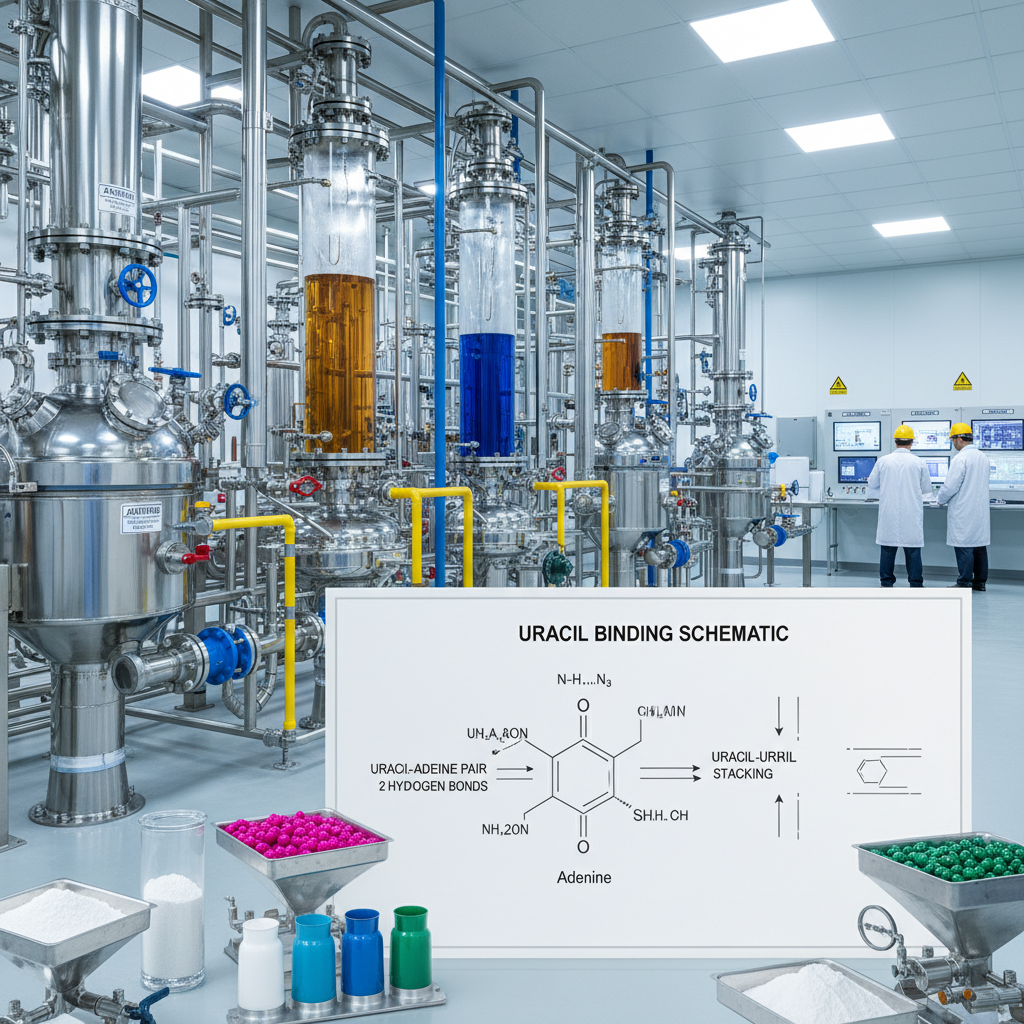
Controlled manufacturing processes are employed to maintain consistent particle size distribution and solubility. These factors directly impact the dissolution rate in organic solvents and the homogeneity of the final mixture in industrial blending operations.
Consistency across batches is achieved through rigorous quality control, ensuring that every shipment of CAS 6642-31-5 meets the exact specifications for mass fraction and moisture content, thereby reducing the need for costly re-purification by the end-user.
3Applications in PVC and Calcium-Zinc Stabilizers
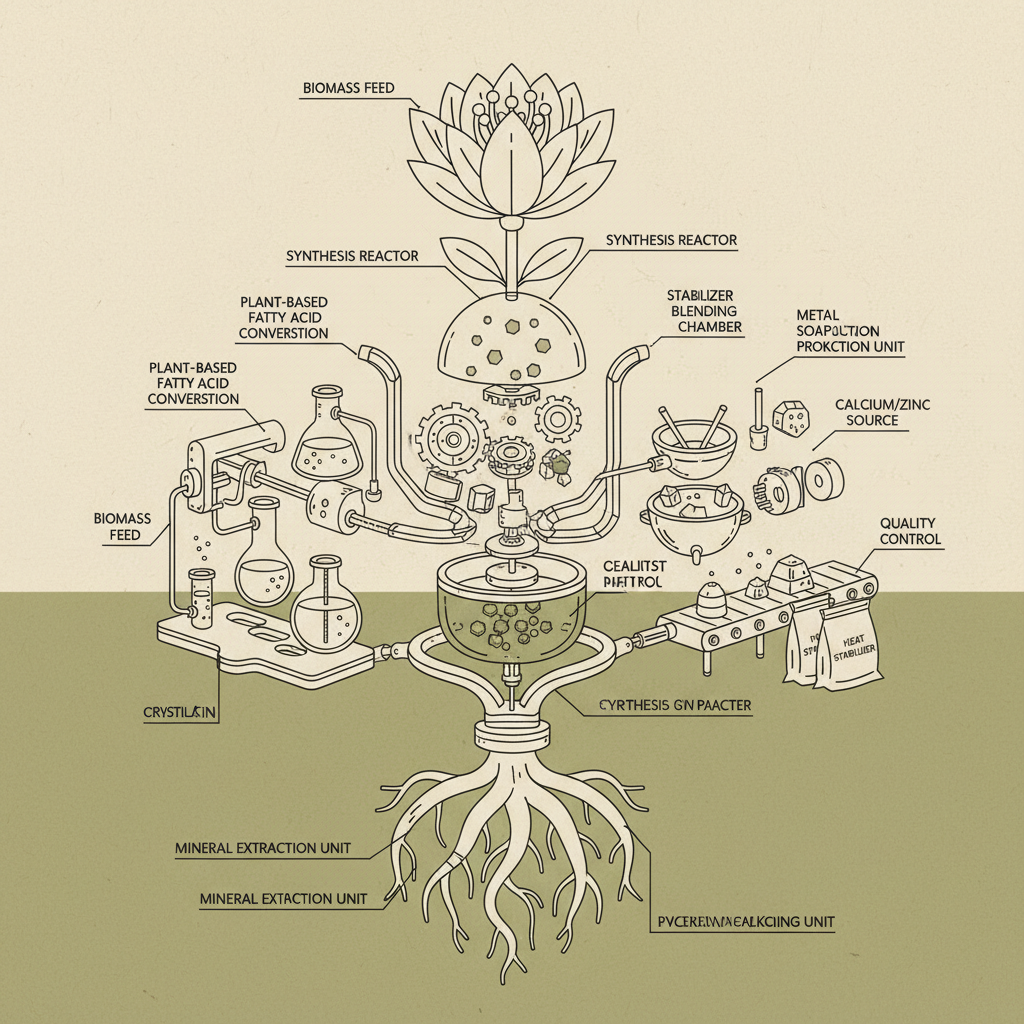
In the plastics industry, 6-Amino-1,3-Dimethyluracil is extensively used in the formulation of calcium-zinc (Ca-Zn) stabilizers. These eco-friendly stabilizers are designed to replace toxic lead-based alternatives, focusing on enhancing the whiteness and initial stability of PVC products.
The mechanism of action involves the compound's ability to form stable complexes with metal ions. This prevents calcium and zinc ions from reacting unnecessarily with other ingredients, which would otherwise cause undesirable coloration and degradation during the extrusion process.
Industries such as cosmetics packaging, food processing equipment, and automotive plastic components rely on this stabilization to ensure that the polymer remains colorless and structurally sound over its operational lifespan.
4Performance Analysis in Medical Production
Beyond plastics, CAS 6642-31-5 plays a pivotal role in medical production. It serves as a building block for drug synthesis, acting as a reactant to create the complex molecular architectures needed for therapeutic agents. Its stability and reactivity allow for high-yield conversions in organic synthesis.
Furthermore, the compound is utilized as a drug carrier or excipient. In these roles, it helps improve the bioavailability and chemical stability of the active pharmaceutical ingredient (API), ensuring that the drug reaches its target site effectively and safely.
6-Amino-1,3-Dimethyluracil Performance Metrics
The efficacy of 6-Amino-1,3-Dimethyluracil in medical settings is directly linked to its purity. High-purity grades minimize the risk of toxic by-products, which is a critical requirement for materials that will be used in human healthcare products.
5Handling, Storage, and Stability Protocols
Due to the high chemical reactivity of the enamine unit, 6-Amino-1,3-Dimethyluracil requires specific handling protocols. To prevent decomposition, it is generally necessary to maintain the product in an inert gas atmosphere during storage and processing.
Packaging typically consists of 25Kg bags with an inner polyethylene liner and an outer white woven bag to provide a moisture-proof barrier. This ensures that the product remains within the ≤1.0% moisture specification during transit.
Operators should use appropriate personal protective equipment (PPE) and ensure that the workspace is well-ventilated. When preparing the compound for synthesis, controlled temperature environments are recommended to maintain the stability of the amino unit.
6Industrial Synthesis Trends and Future Outlook
The chemical industry is shifting toward "green chemistry," and 6-Amino-1,3-Dimethyluracil fits this trend perfectly through its use in eco-friendly PVC stabilizers. The transition away from heavy metal stabilizers increases the demand for uracil-based intermediates that can provide equivalent performance without environmental toxicity.
Ongoing research is focusing on improving the synthesis yield from urea and optimizing the purification process. By reducing the energy required for distillation and filtration, manufacturers can lower the total cost of ownership for end-users in the pharmaceutical sector.
As the demand for high-performance coatings and specialty polymers grows, the flexibility of the 6-amino-1,3-dimethyluracil molecular structure will likely lead to new applications in advanced dyes and smart materials.
7Procurement Guide and Quality Comparison
When selecting a supplier for CAS 6642-31-5, procurement teams must balance purity, supply reliability, and regulatory compliance. A supplier's ability to provide a consistent 99% mass fraction is the primary indicator of a reliable production process.
Comparing industrial-grade and pharmaceutical-grade materials is essential, as the tolerance for impurities varies significantly between PVC additive production and drug synthesis.
| Feature | Industrial Grade | Pharmaceutical Grade | Standard Requirement |
|---|---|---|---|
| Purity | ≥98.0% | ≥99.0% | Chromatographic Analysis |
| Appearance | Light Yellow | Off-White | Visual Inspection |
| Moisture | ≤1.5% | ≤1.0% | Loss on Drying |
| Application | PVC Stabilizers | Drug Intermediates | Context Specific |
| Stability | Standard | Enhanced | Inert Gas Storage |
| Compliance | RoHS | EU REACH / ISO | Certification Based |
Choosing a partner with ISO 9001:2015 and ISO 14001:2015 certifications ensures that the product is manufactured under a quality management system that minimizes batch-to-batch variance.
Frequently Asked Questions
Conclusion
6-Amino-1,3-Dimethyluracil stands as a versatile and essential intermediate that bridges the gap between high-performance polymer stabilization and precision medical synthesis. Its ability to provide superior whiteness in PVC and serve as a reliable scaffold for drug production makes it an indispensable asset in the specialized chemical market.
For organizations seeking a reliable supply of high-purity CAS 6642-31-5, evaluating the manufacturer's certification and purity consistency is paramount. Technical teams can find detailed specifications and professional chemical solutions by visiting www.hbgxchemical.com.





 English
 Arabic
 Belarusian
 Bengali
 Bulgarian
 Finnish
 French
 German
 Hebrew
 Hindi
 Hungarian
 Indonesian
 Italian
 Japanese
 Korean
 Persian
 Portuguese
 Russian
 Spanish
 Turkish