









Securing a reliable supply chain for industrial additives requires more than just finding a vendor; it necessitates a strategic partnership with specialized bulk cleaning chemicals suppliers who understand the molecular precision required for high-performance materials. In the realm of PVC stabilization and pharmaceutical synthesis, the purity of raw materials directly dictates the longevity and safety of the final product.
For procurement managers in the plastics and chemical sectors, the shift toward eco-friendly stabilizers has created a complex landscape where traditional lead-based additives are being phased out in favor of non-toxic alternatives. This transition demands a deep understanding of how specific intermediates, such as 6-Amino-1,3-dimethyluracil, impact the thermal stability and weathering resistance of polymers.
By analyzing the intersection of chemical purity, regulatory compliance (such as EU REACH), and manufacturing scale, businesses can optimize their production costs while enhancing product quality. This guide explores the technical benchmarks and procurement strategies essential for evaluating bulk chemical suppliers in the modern specialty chemicals market.

The Strategic Role of Specialty Intermediates in Industrial Cleaning

In the specialty chemicals industry, the term "cleaning chemicals" often extends beyond surface detergents to include the chemical "cleaning" or stabilization of polymers during high-temperature processing. This involves the use of heat stabilizers that prevent the degradation of PVC resins, which are naturally sensitive to temperatures above 90°C.
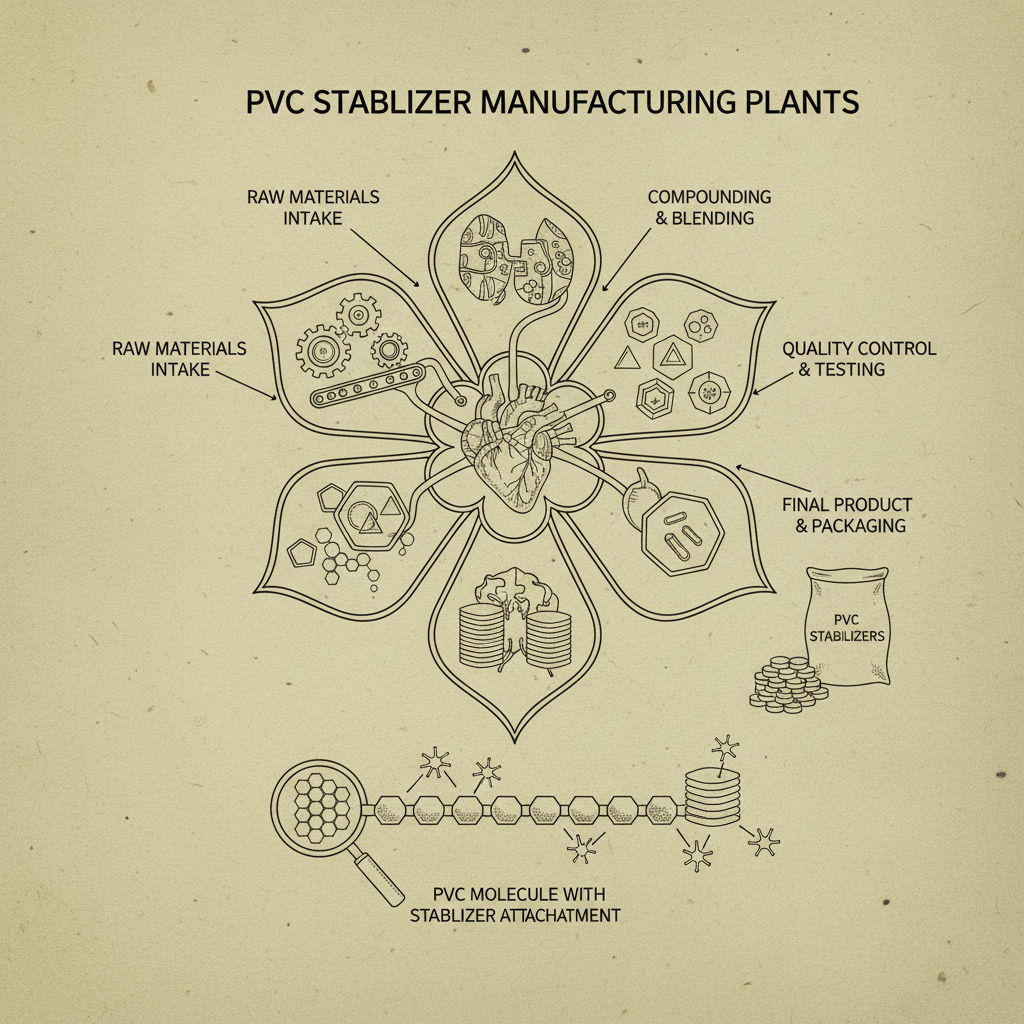
The introduction of 6-Amino-1,3-dimethyluracil as a PVC heat stabilizer represents a significant leap in material science. Unlike traditional stabilizers, this compound acts as a green, non-toxic raw material that absorbs ultraviolet rays and neutralizes HCl released during processing, thereby preventing the automatic catalytic degradation of the polymer chain.
For enterprises operating in the chemical raw materials sector, partnering with a supplier capable of producing these intermediates at scale—such as Hebei Guangxing Chemical Co., Ltd., with its specialized focus on uracil production—ensures that the supply chain remains resilient against the volatility of raw material purity and regulatory shifts.
Technical Determinants of High-Purity Chemical Stabilization
The effectiveness of a calcium zinc stabilizer is not merely a result of its composition but of the synergy between calcium salts, zinc salts, and organic additives. The integration of 6-Amino-1,3-dimethyluracil provides a critical advantage in weather resistance, surpassing the performance of standard organic tin stabilizers.
Technically, the process involves replacing active and unstable substituents within the PVC molecule and passivating metal ions that would otherwise catalyze degradation. A chromatographic purity of ≥99.0%, as seen in high-end industrial intermediates, is essential to prevent unwanted side reactions that can lead to discoloration or mechanical failure in the final plastic product.
Furthermore, the molecular weight (155.15 for 6-Amino-1,3-dimethyluracil) and specific melting point (295°C) ensure that the additive remains stable during the extrusion and molding processes, providing a consistent protective barrier against heat-induced deformation.
Cross-Industry Applications of Uracil-Based Derivatives
While primarily recognized for PVC stabilization, uracil derivatives serve a multifaceted role across several high-value industries. In the pharmaceutical sector, 6-Amino-1,3-dimethyluracil acts as a vital intermediate for synthesizing drugs with specific biological activities, owing to its unique structural characteristics.
In the textile industry, related compounds like 1,3-dimethylurea are employed as high-end printing and dyeing auxiliaries. They are particularly critical in the production of low-formaldehyde or formaldehyde-free anti-wrinkle finishing agents, aligning with global health and safety standards for consumer apparel.
Additionally, the organic amino groups in these molecular chains provide toughening and melting-promoting effects, making them effective plastic auxiliary agents. This versatility allows a single chemical stream to serve the needs of PVC hard products (like window panels) and soft products (like synthetic leather and sealing strips).
Quantifying Thermal Stability and Performance Benchmarks
To evaluate the efficiency of a stabilizer, engineers typically measure the induction period before significant discoloration occurs during heating. When comparing standard stabilizers to those enhanced with 6-Amino-1,3-dimethyluracil, the difference in UV absorption and HCl neutralization is quantifiable.
The following data represents a relative performance comparison based on standard PVC processing conditions (180°C - 210°C), illustrating the improvement in stability and transparency when using advanced non-toxic additives compared to basic industry benchmarks.
bulk cleaning chemicals suppliers Performance Metrics
The data indicates that the integration of specialized calcium zinc stabilizers significantly enhances photostability and transparency. This is particularly critical for high-end architectural profiles where clarity and color retention over a 10-year lifecycle are non-negotiable requirements.
Critical Procurement Metrics for Bulk Chemical Sourcing
Procuring specialty chemicals in bulk requires a rigorous auditing process that goes beyond price per kilogram. The primary focus must be on certification and consistency, as slight variations in purity can lead to catastrophic failures in polymer extrusion.
Key certifications such as EU REACH, Turkey KKDIK, and ISO 9001:2015 provide the necessary verification that a supplier's processes are standardized. For instance, the official registration of 6-Amino-1,3-dimethyluracil under EU REACH in 2018 allows for seamless integration into the European market without regulatory delays.
Buyers should also evaluate the supplier's capacity to provide customized solutions. The ability to cater to specific requirements regarding particle size (powder form) and packaging (e.g., 25kg/bag) ensures that the material can be integrated into existing automated dosing systems without modification.
The Evolution Toward Green Chemistry and Non-Toxic Additives
The global chemical industry is witnessing a paradigm shift toward "Green Chemistry," where the elimination of heavy metals like lead and cadmium is the primary objective. This movement is driven by both stringent environmental legislation and a growing consumer demand for non-toxic building materials.
Calcium zinc stabilizers are at the forefront of this evolution. By synthesizing these stabilizers through a composite process involving antioxidants and lubricants, manufacturers can achieve thermal stability equivalent to lead salts while maintaining a non-toxic profile. This makes them ideal for products used in sensitive environments, such as medical tubing or children's toys.
Future developments are likely to focus on further reducing the volatility of organic components and improving the synergy between different stabilizer types to create "hybrid" systems that offer both high-temperature resistance and extreme weatherability.
Evaluating Supplier Capabilities for Large-Scale Chemical Integration
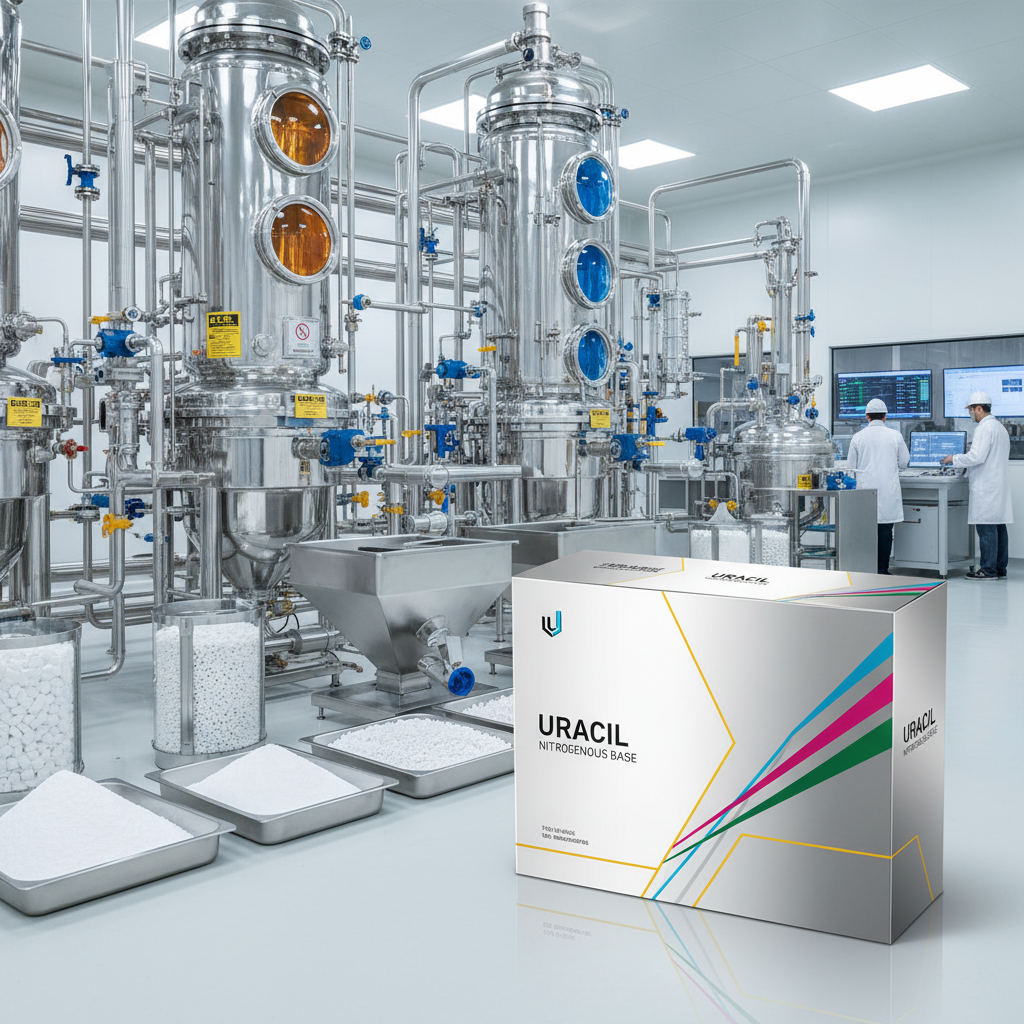
When selecting a bulk supplier, it is critical to distinguish between a trading company and a primary manufacturer. A primary manufacturer, such as one with a 90-acre dedicated facility, provides superior control over the synthesis process, from urea-based uracil synthesis to final purification.
The following table outlines the key evaluation dimensions when comparing different types of chemical sourcing models for industrial stabilizers and intermediates.
| Sourcing Model | Quality Control | Regulatory Compliance | Supply Stability |
|---|---|---|---|
| Direct Manufacturer | Integrated Lab Testing | Full REACH/ISO Certs | High (Internal Production) |
| Specialized Boutique | Batch-Specific Analysis | Selective Certifications | Medium (Niche focus) |
| Global Distributor | Third-Party Verification | Mixed Compliance | High (Diverse Sources) |
| Generic Trader | Basic CoA Review | Limited Documentation | Low (Market Dependent) |
| Custom Synthesis Lab | Extreme Purity Focus | Project-Based Compliance | Low (Small Volume) |
| Integrated Consortium | Cross-Plant Standards | Unified Global Certs | Very High (Redundant) |
Ultimately, the decision should be based on the balance between volume requirements and the necessity for technical purity. For those requiring high-volume, high-purity additives, a Class A supplier for multinational enterprises offers the most reliable risk-to-reward ratio.
Frequently Asked Questions
Conclusion
The transition toward sustainable, non-toxic chemical additives is no longer optional but a strategic necessity for the global manufacturing sector. By prioritizing purity, regulatory compliance, and technical synergy, companies can ensure their products meet the highest standards of durability and environmental safety.
Procurement professionals evaluating the best options for their supply chain can review detailed product specifications and corporate capabilities through www.hbgxchemical.com to ensure a seamless integration of specialty stabilizers and intermediates.



 English
 Arabic
 Belarusian
 Bengali
 Bulgarian
 Finnish
 French
 German
 Hebrew
 Hindi
 Hungarian
 Indonesian
 Italian
 Japanese
 Korean
 Persian
 Portuguese
 Russian
 Spanish
 Turkish