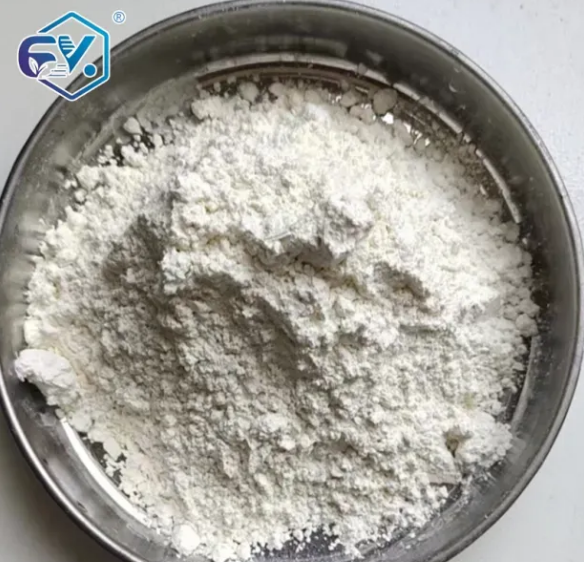
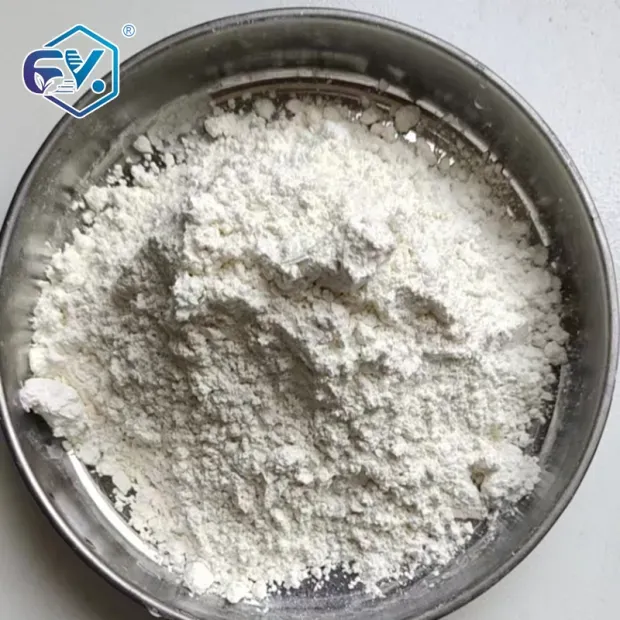
In a wide range of industrial processes, from gas purification to water treatment, the efficiency of adsorption plays a critical role. Polar adsorbents, with their unique characteristics, are increasingly becoming the preferred choice for selectively removing polar molecules from gas and liquid streams. This article delves into the world of polar adsorbents, exploring their properties, applications, and the advantages they offer. We will examine how these materials contribute to enhanced process efficiency and sustainability. Learn more about our range of chemical products, including specialized adsorbents, at HBGX Chemical. Polar adsorbents are solid materials possessing a high degree of polarity, meaning they have an uneven distribution of electron density, creating positive and negative charges. This polarity allows them to strongly interact with polar molecules, such as water, alcohols, and certain organic compounds, through dipole-dipole interactions, hydrogen bonding, and other electrostatic forces. Common polar adsorbents include activated alumina, molecular sieves, and certain modified silica gels. The effectiveness of a polar adsorbent relies on its surface area, pore size distribution, and the strength of its polar functional groups.
On October 29, 2025, the Hebei Province Foreign Trade Policy Business Tour Training Conference Xingtai Special Session was successfully held in Xingtai.
















 Korean
  English
  Arabic
  Belarusian
  Bengali
  Bulgarian
  Finnish
  French
  German
  Hebrew
  Hindi
Hindi  Hungarian
  Indonesian
  Italian
  Japanese
  Persian
  Portuguese
  Russian
  Spanish
  Turkish