







2025년 6월 17일
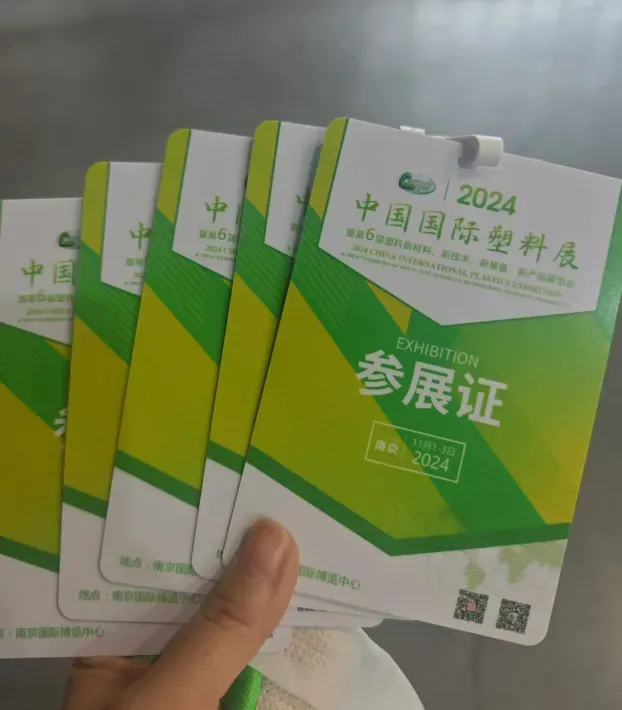
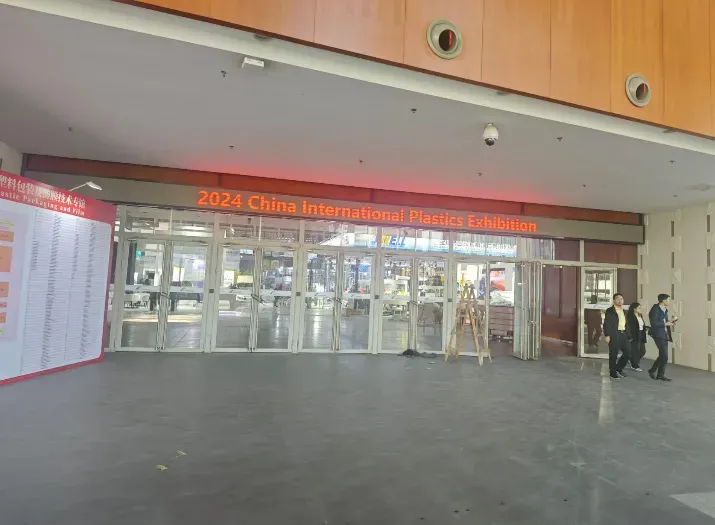
2024년 중국 국제 플라스틱 전시회는 2024년 11월 1일부터 3일까지 난징 국제 엑스포 센터에서 개최됩니다.
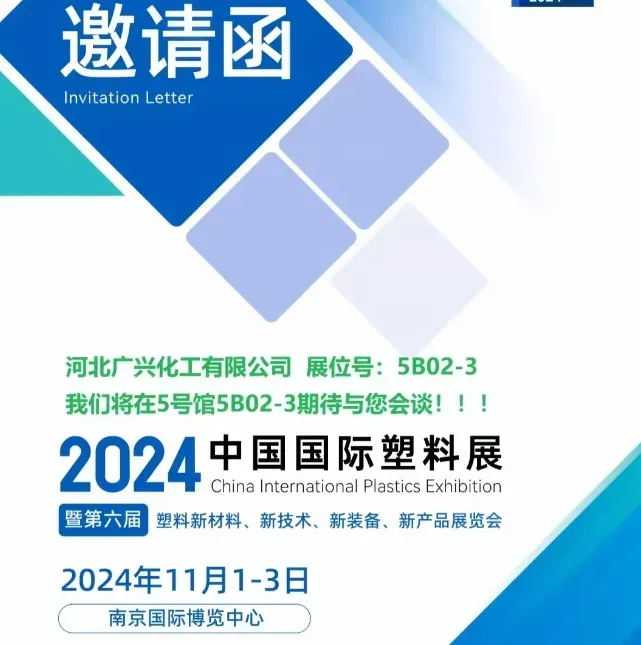
참고를 위해 아래의 부스 정보를 확인해 주세요.
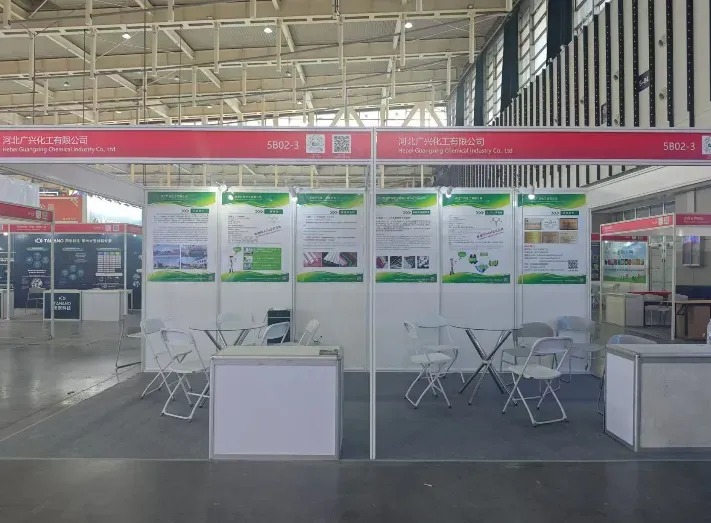
부스 번호: 5B02-3
기간: 2024년 11월 1일~3일
주소: 난징 국제 엑스포 센터
허베이 광싱 화학공업 주식회사에서는 5홀 5B02-3에서 여러분을 만나 뵙기를 기대합니다.
Exploring the Principles and Applications of Gas Adsorption Technologies


 Korean
  English
  Arabic
  Belarusian
  Bengali
  Bulgarian
  Finnish
  French
  German
  Hebrew
  Hindi
Hindi  Hungarian
  Indonesian
  Italian
  Japanese
  Persian
  Portuguese
  Russian
  Spanish
  Turkish