







The operational landscape of modern chemical factories is undergoing a significant transition toward specialized, high-purity chemical synthesis. As global regulatory frameworks tighten around environmental impact and worker safety, the industry is shifting from bulk commodity production to the manufacturing of precise chemical intermediates and eco-friendly stabilizers.
This evolution is driven by the increasing demand for pharmaceutical-grade intermediates and sustainable additives in the plastics industry. The challenge for many producers lies in balancing high-volume output with the stringent purity requirements of EU REACH and ISO standards, where even minor deviations in molecular weight or appearance can render a batch unusable for high-end synthesis.
This analysis examines the technical requirements for producing high-performance chemical agents, the role of specialized intermediates in modern industrial chains, and how procurement professionals can evaluate the technical capabilities of chemical factories based on certification and production scale.


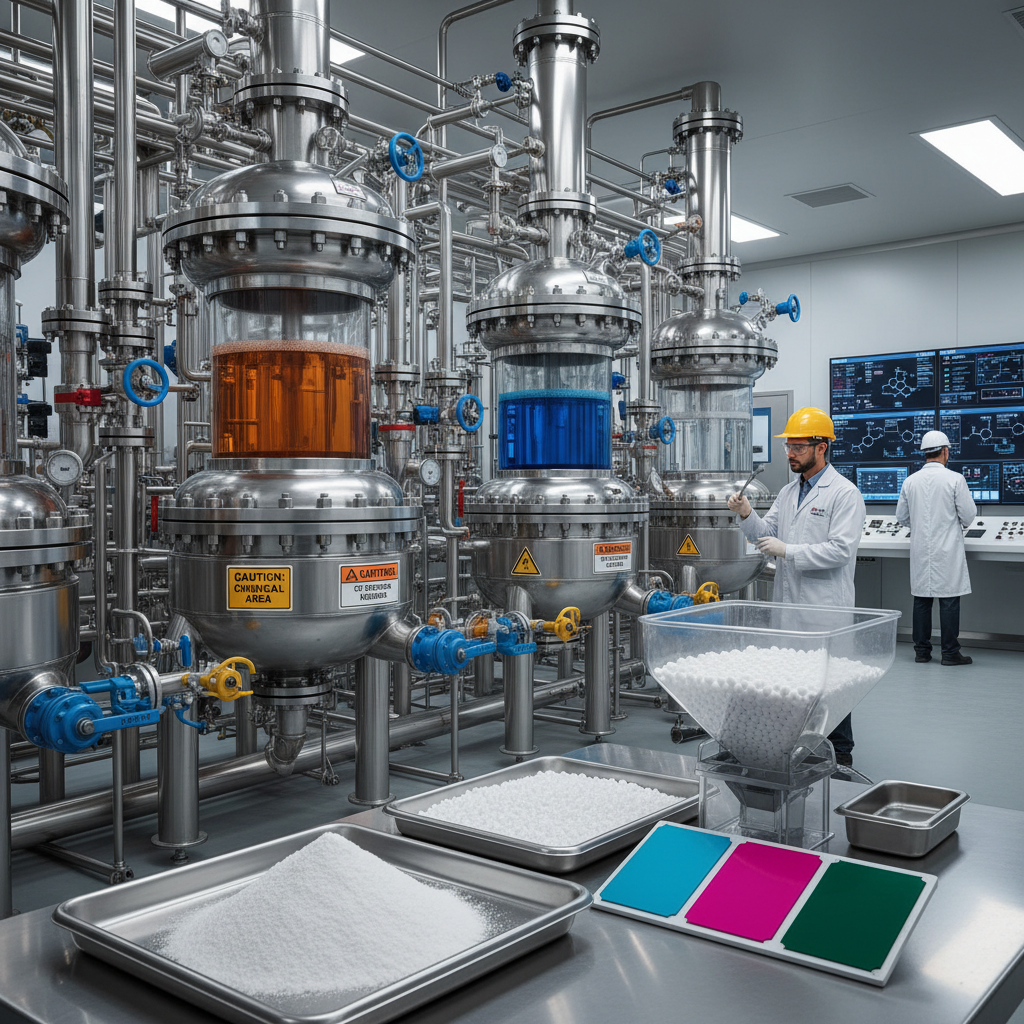
The production of specialized intermediates, such as 1,3-dimethylurea and 6-amino-1,3-dimethyluracil, requires a precise synthesis architecture that controls temperature, pressure, and catalyst interaction. In high-capacity facilities, the process often involves multi-stage reaction cycles where raw materials are refined into white to light yellow crystalline powders.
Modern chemical factories utilize automated control systems to ensure that molecular weight and formula stability—such as C22H30Cl2N10 for complex acetate compounds—are maintained across batches of several thousand tons per year.
In the realm of specialty chemicals, appearance and molecular weight are the primary indicators of quality. For instance, Chlorhexidine acetate (CAS 56-95-1) must maintain a precise molecular weight of 625.55 to ensure its efficacy as an antiseptic or pharmaceutical intermediate. Any deviation in the crystalline structure can affect solubility and reactivity in downstream applications.
Regulatory compliance, particularly EU REACH registration, acts as a critical technical barrier. Registration proves that the production process is documented, the toxicity profiles are understood, and the manufacturing consistency meets European safety standards. This is essential for suppliers acting as Class A providers for multinational chemical enterprises.
Furthermore, ISO 9001:2015 and ISO 14001:2015 certifications are not merely administrative badges but technical requirements. They mandate a quality management system that tracks raw material purity from the point of entry to the final shipment of the chemical product, reducing the risk of contamination in sensitive pharmaceutical syntheses.
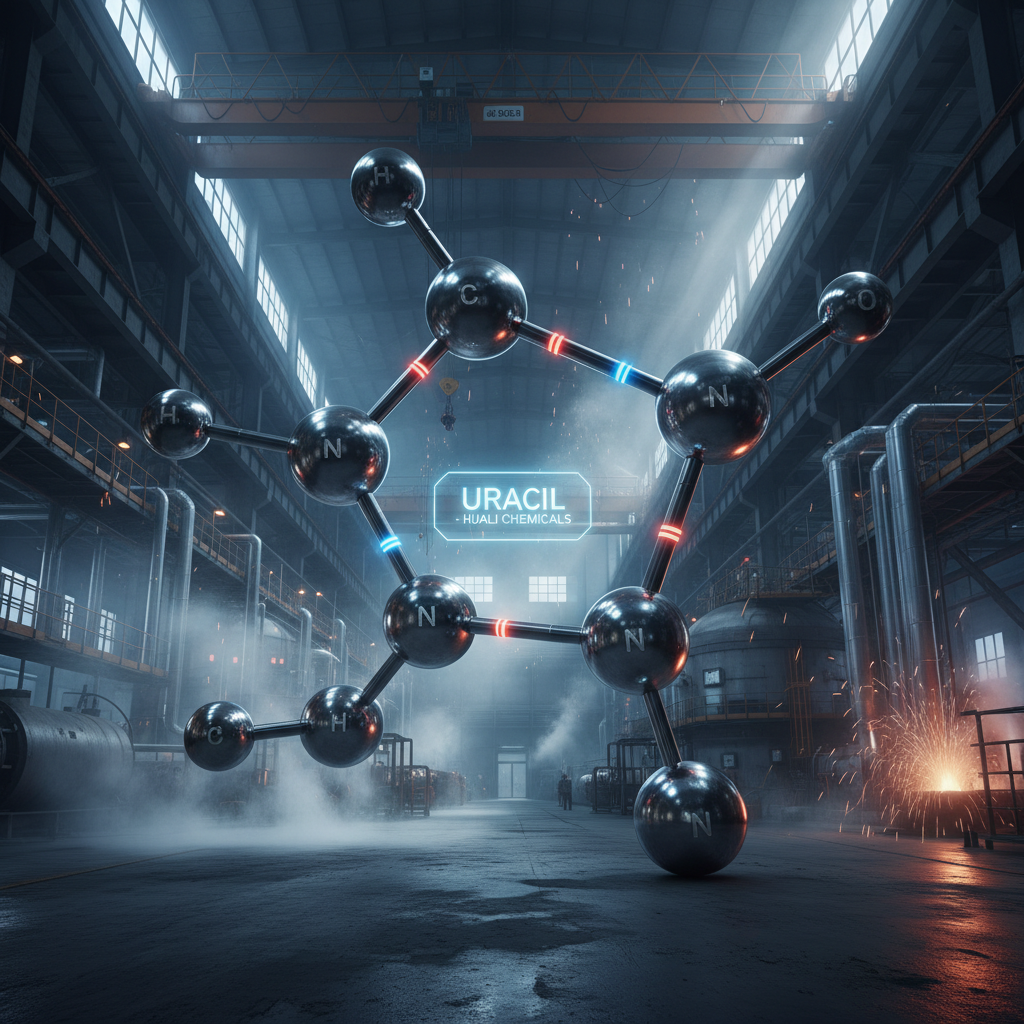
The synthesis of uracil from urea serves as a cornerstone for creating PVC heat stabilizers. These additives are critical for preventing the thermal degradation of polymers during high-temperature processing, ensuring that the final plastic product retains its structural integrity and color.
For chemical factories specializing in these intermediates, the ability to scale production—such as maintaining a 6,000 tons/year capacity for 6-amino-1,3-dimethyluracil—while adhering to RoHS Compliant standards is the primary competitive advantage in the B2B market.
Achieving high throughput in chemical manufacturing often creates a tension with purity requirements. In the production of 1,3-dimethylurea flakes, the crystallization process must be carefully managed to avoid the trapping of impurities within the crystal lattice, which would lower the overall grade of the product.
Engineering assessments typically measure the trade-off between reaction speed and final product purity. By optimizing the catalyst concentration and cooling rates, specialized producers can maintain a high "Technical Performance Score" across different production scales.
The application of 1,3-dimethylurea extends beyond polymer stabilization into the textile industry, where it serves as a high-end printing and dyeing auxiliary. Specifically, it is used to produce low-formaldehyde and formaldehyde-free anti-wrinkle finishing agents, meeting the growing consumer demand for non-toxic apparel.
In the pharmaceutical sector, the 6-amino-1,3-dimethyluracil intermediate is a vital building block for the synthesis of various active pharmaceutical ingredients (APIs). The integration of these chemicals into the global supply chain requires rigorous adherence to purity specifications to prevent side reactions during the final synthesis of medication.
The future of chemical factories is inextricably linked to the "Green Chemistry" movement. This involves reducing waste at the source by optimizing atom economy in the synthesis of uracil derivatives and implementing closed-loop solvent recovery systems.
R&D efforts are increasingly focused on improving the efficiency of Calcium Zinc Stabilizers to further replace legacy stabilizer technologies. The goal is to achieve a seamless transition where eco-friendly additives provide identical processing windows for PVC manufacturers while eliminating hazardous runoff.
Furthermore, the digitalization of the supply chain, through the use of blockchain for certificate of analysis (CoA) verification, is expected to become a standard requirement for multinational enterprises seeking to ensure the provenance and purity of their chemical intermediates.
For procurement officers, selecting a chemical supplier involves a multi-dimensional evaluation of technical capacity and compliance. It is not sufficient to rely on product descriptions; verification of actual production capacity and international certifications is paramount.
A critical factor is the supplier's status with multinational enterprises. Being a "Class A Supplier" suggests that the factory has passed stringent audits regarding quality control, labor safety, and environmental management, providing a layer of trust beyond the standard ISO certificates.
The following matrix provides a framework for evaluating different configuration profiles of chemical intermediates based on common industrial requirements.
| Configuration Profile | Purity Target | Regulatory Level | Recommended Use Case |
|---|---|---|---|
| Basic Configuration | >98% | Local Standard | General Industrial Use |
| Standard Configuration | >99% | ISO 9001 | Standard Polymer Additives |
| High-Duty Configuration | >99.5% | ISO 14001/45001 | High-Performance PVC |
| Precision Configuration | >99.8% | EU REACH | Pharmaceutical Intermediates |
| Automated Configuration | Consistent ±0.1% | Class A Supplier | Multinational Supply Chains |
| Industry Baseline | Variable | Basic Compliance | Low-End Textile Auxiliaries |
EU REACH (Registration, Evaluation, Authorisation and Restriction of Chemicals) registration is a mandatory requirement for chemicals imported into or manufactured in the European Union. For chemical factories, this registration proves that the substance has been thoroughly evaluated for safety and environmental impact. It ensures that the product meets strict toxicity and exposure limits, allowing it to be legally used in the synthesis of pharmaceutical raw materials and advanced polymers within the EU market.
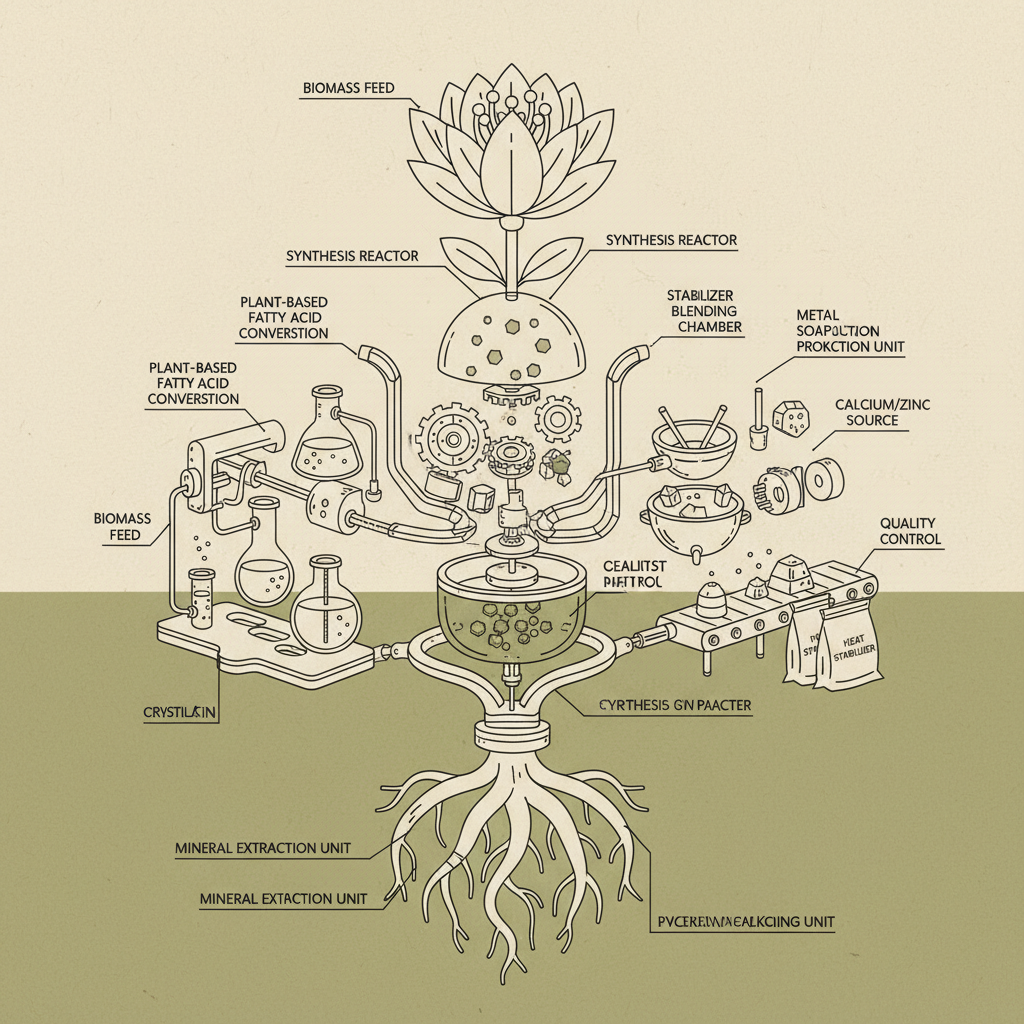
Calcium Zinc Stabilizers are eco-friendly alternatives designed to eliminate the toxicity associated with lead or cadmium. While traditional stabilizers offered high thermal stability, they posed severe environmental risks. Ca-Zn systems achieve stability through a synergistic effect between calcium and zinc soaps, often supplemented by organic co-stabilizers like uracil derivatives. This results in a non-toxic product that complies with RoHS standards while maintaining the necessary processing window for PVC.
Buyers should verify the CAS number (56-95-1), the molecular weight (approximately 625.55), and the physical appearance (white to light yellow crystalline powder). The molecular formula C22H30Cl2N10· 2C2H4O2 must be exact. Additionally, check for purity levels and the presence of any residual solvents, as these can interfere with the formulation of antiseptic solutions or pharmaceutical grade preparations.
In textile processing, 1,3-dimethylurea acts as a key intermediate for the production of anti-wrinkle agents. Specifically, it allows for the creation of finishing agents that are low in formaldehyde or entirely formaldehyde-free. This is critical for meeting global health and safety standards for clothing, as formaldehyde is a known irritant. The chemical's role is to modify the fabric's cross-linking properties without introducing hazardous volatile organic compounds.
A Class A Supplier is typically a manufacturer that has undergone a comprehensive audit by a multinational corporation and met the highest standards for quality, reliability, and sustainability. This includes rigorous testing of batch-to-batch consistency, proof of sustainable sourcing, and a demonstrated ability to scale production without sacrificing purity. It indicates a level of operational maturity that exceeds basic ISO certifications.
Yes, scale can impact purity if the reactor design does not account for heat transfer and mixing efficiency at larger volumes. However, professional chemical factories utilize scaled-up reactor architectures and automated dosing systems to ensure that a 6,000 ton/year line produces the same purity as a pilot plant. The key is maintaining a consistent "residence time" and temperature profile across the entire batch to prevent the formation of side-products.
The transition of chemical factories toward high-purity, eco-friendly intermediates is not merely a regulatory requirement but a technical necessity for the pharmaceutical and polymer industries. The ability to synchronize massive production scale with precise molecular specifications—exemplified by the synthesis of uracil derivatives and acetate compounds—defines the next generation of chemical manufacturing.
For industrial buyers, the priority must shift from cost-per-ton to a comprehensive evaluation of E-E-A-T markers: experience in EU REACH compliance, expertise in crystalline purity, and a proven track record as a high-tier supplier. As the industry moves toward formaldehyde-free textiles and heavy-metal-free stabilizers, the integration of high-grade chemical intermediates will remain the primary driver of product performance and environmental sustainability.