







Nov . 06, 2026
Light Calcium Carbonate is a widely used inorganic mineral material valued for its versatility in plastics, rubber, coatings, paper, construction materials, and other industrial applications. Also known as precipitated calcium carbonate (PCC) in many commercial contexts, it is commonly used as a filler, extender, and functional additive in different manufacturing processes.
For industrial manufacturers, selecting the right calcium carbonate is an important part of product formulation and production planning. Factors such as particle size, whiteness, purity, moisture content, surface treatment, and dispersion characteristics can influence its suitability for different applications.
Compared with other mineral fillers, light calcium carbonate is often considered when manufacturers need a material with controlled particle characteristics and suitable formulation compatibility. It can help adjust material composition, improve certain physical properties, and optimize raw material costs when properly selected for the intended application.
For buyers sourcing Light Calcium Carbonate Powder, working with a dependable supplier is essential. Product specifications, quality consistency, supply capacity, and technical communication should all be considered before establishing a long-term purchasing relationship.

The applications of light calcium carbonate vary according to product specifications and downstream processing requirements. Understanding these applications can help buyers identify the right material for their manufacturing needs.
The plastics industry is one of the important application areas for calcium carbonate. Light calcium carbonate can be incorporated into selected plastic formulations as a functional filler to adjust material properties and formulation costs.
In PVC manufacturing, calcium carbonate may be used in pipes, profiles, sheets, flooring, cable materials, and other plastic products. Its suitability depends on factors such as particle size, moisture content, surface properties, and compatibility with the PVC formulation.
For PVC compound manufacturers, choosing an appropriate Light Calcium Carbonate Powder requires evaluating its dispersion behavior and interaction with resins, stabilizers, lubricants, and other additives.
Manufacturers should also consider the processing method and final product requirements when determining the appropriate filler grade.
Light calcium carbonate is also used in rubber formulations as a filler. It can help adjust compound composition and may contribute to improvements in certain physical properties depending on the rubber system and formulation.
Typical applications include rubber sheets, hoses, seals, footwear materials, molded rubber products, and other industrial rubber components.
For rubber manufacturers, important purchasing considerations include powder fineness, moisture level, dispersion performance, and compatibility with different rubber materials.
Selecting the correct grade can help manufacturers develop formulations that meet their processing and product requirements.
In paint and coating formulations, calcium carbonate can function as an extender and help adjust properties such as opacity, viscosity, surface appearance, and formulation cost.
Light calcium carbonate may be considered for selected architectural coatings, industrial coatings, and other surface treatment products.
The required product characteristics depend on the coating system and its performance requirements. Particle size distribution, whiteness, oil absorption, and dispersion characteristics are among the factors that buyers may evaluate.
Calcium carbonate is widely used in the paper industry as a filler and coating material. Its characteristics can influence paper brightness, opacity, smoothness, and other properties depending on the manufacturing process.
Light calcium carbonate may also be considered for selected chemical formulations, construction materials, adhesives, and other industrial products.
For these applications, manufacturers should evaluate product specifications and conduct formulation testing to determine whether a particular grade meets their requirements.
When sourcing Light Calcium Carbonate Powder, industrial buyers should look beyond the product name and evaluate the technical specifications that directly affect downstream production.
Particle Size and Distribution
Particle size is an important consideration because it can influence dispersion, surface characteristics, and formulation performance. Buyers should select a grade according to their intended application and processing requirements.
Whiteness and Appearance
For applications where product color and appearance are important, whiteness and visual consistency may be key purchasing criteria.
Purity and Chemical Composition
Calcium carbonate content and impurity levels should be evaluated according to the technical requirements of the finished product. Buyers may request relevant test reports and product specifications.
Moisture Content
Moisture can affect powder handling, storage, and processing behavior. Consistent moisture control is particularly important for applications requiring stable formulation conditions.
Surface Treatment and Dispersion
Some applications may require surface-treated calcium carbonate to improve compatibility with polymers or other formulation components. Buyers should confirm whether coated or uncoated grades are required.
By reviewing these specifications before purchasing, manufacturers can make more informed decisions and reduce the risk of selecting an unsuitable raw material.
A reliable Light Calcium Carbonate supplier should provide more than a product quotation. Buyers also need to understand the supplier's quality management practices, manufacturing or sourcing capabilities, documentation, and ability to support long-term cooperation.
Several factors deserve attention:
Quality Management: Established quality procedures help support product consistency and purchasing confidence.
Technical Documentation: Product specifications and test reports help buyers evaluate material suitability.
Supply Coordination: Clear communication about order quantities, packaging, and delivery arrangements supports procurement planning.
International Experience: Familiarity with overseas markets can make communication and export coordination more efficient.
Long-Term Cooperation: A stable business relationship helps buyers manage recurring raw material requirements.
For companies purchasing industrial chemical materials, these factors are important when comparing potential suppliers and planning future orders.
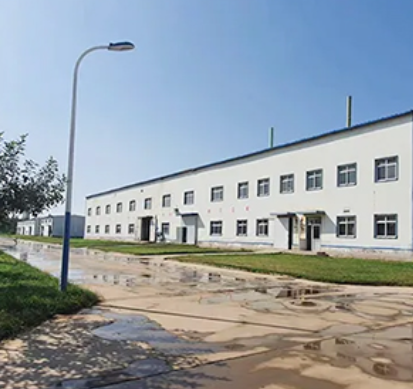
Established in January 2013, Hebei Guangxing Chemical Co., Ltd. is located in the Chemical Industrial Park of Xinhe County, Xingtai City, Hebei Province, China. The company covers an area of approximately 90 acres and specializes in the production of uracil-related chemical materials.
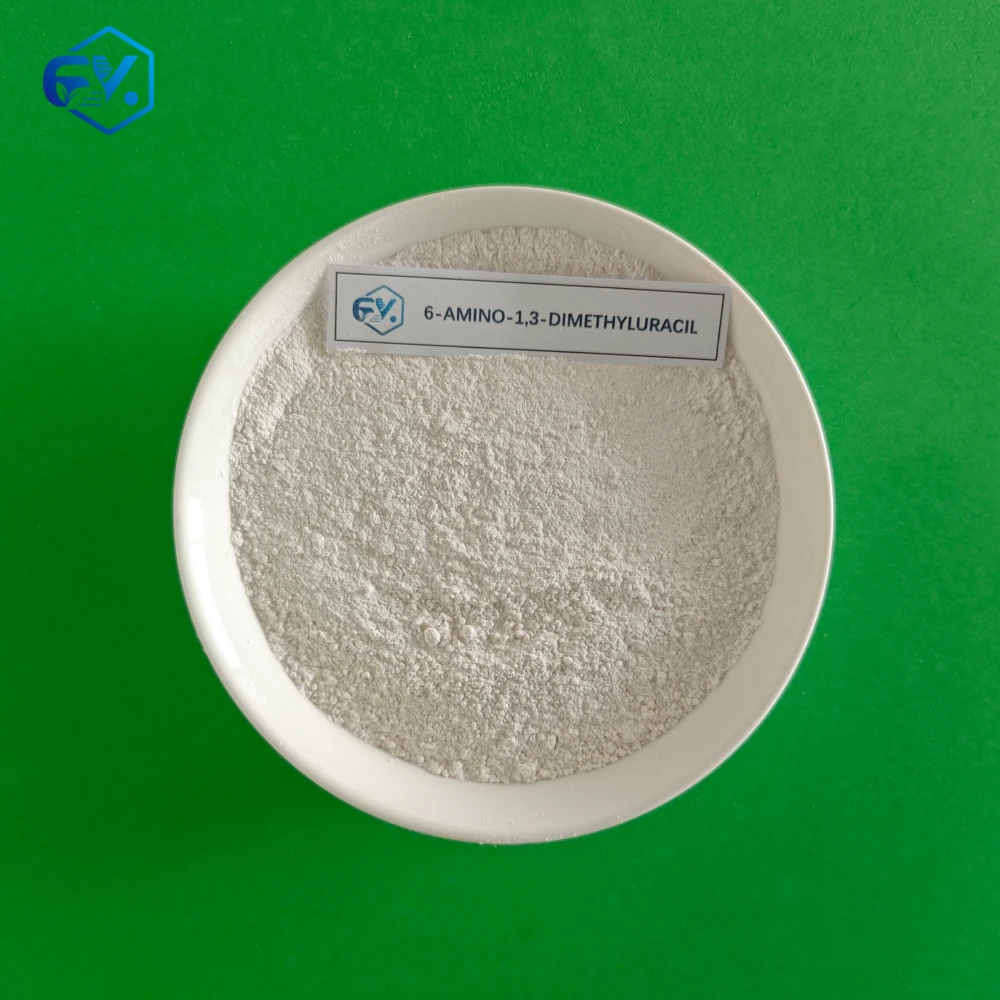
Its main products include 1,3-Dimethylurea and 6-Amino-1,3-Dimethyluracil, with annual production capacities of 5,000 tons and 6,000 tons, respectively.
Guangxing Chemical is the first and largest uracil production enterprise in China and the only domestic uracil production enterprise specializing in PVC heat stabilizers in China.
The company has developed manufacturing experience in specialized chemical materials and established cooperative relationships with customers in domestic and international markets.
For buyers evaluating chemical suppliers, Guangxing Chemical's manufacturing background and experience in the plastic additives industry provide useful reference points when considering potential business cooperation. Product availability, specifications, and supply arrangements for Light Calcium Carbonate should be confirmed directly with the company.
Quality management is an important part of chemical manufacturing and international trade. Hebei Guangxing Chemical has successfully passed the following management system certifications:
ISO 9001:2015 Quality Management System
ISO 14001:2015 Environmental Management System
ISO 45001:2018 Occupational Health and Safety Management System
The company has also obtained the Hebei Province Industrial Enterprise R&D Institution Certification and the Technology-Oriented Small and Medium-Sized Enterprise certificate issued by the Science and Technology Department of Hebei Province.
Its products are exported to the European Union, America, Australia, Southeast Asia, Africa, and other regions. The company has established cooperative relationships with multinational enterprises such as Baerlocher, Chemson, and Sun Ace, serving as a Class A supplier to these companies.
In addition, Guangxing Chemical is a member of the Plastic Additive Professional Committee of the China Plastics Processing Association. It maintains long-term technical cooperation with universities and colleges to improve existing products, optimize production processes, and develop new chemical materials.
These experiences reflect the company's commitment to manufacturing development, quality management, and international business cooperation.
The demand for reliable industrial raw materials continues to develop as manufacturers seek better formulation performance, consistent product quality, and efficient procurement solutions.
For buyers of Light Calcium Carbonate, establishing clear product specifications and understanding the supplier's capabilities are important steps toward successful cooperation. Whether the intended application involves PVC compounds, rubber products, coatings, or other industrial materials, selecting the right grade should be based on actual processing requirements and technical evaluation.
Hebei Guangxing Chemical Co., Ltd. brings experience in specialized chemical manufacturing, established quality management systems, and international customer cooperation. Buyers interested in its chemical product portfolio can contact the company to discuss product availability, technical documentation, and potential business opportunities.
If Light Calcium Carbonate is included in the company's current supply portfolio, customers can further confirm its specifications, packaging options, order quantities, and export arrangements before proceeding with procurement.
This is the first article
Dimethylurea: The Invisible Ingredient in Daily Flavor