









Jan . 28, 2026
Urea derivatives are a diverse class of chemical compounds with widespread applications in agriculture, pharmaceuticals, polymers, and more. Understanding the synthesis of urea derivatives is crucial for researchers and industrial chemists alike. This article delves into the common methods, key considerations, and practical applications of these syntheses, providing a comprehensive overview for professionals in the chemical industry. We'll explore the various approaches to creating these important compounds, focusing on efficiency, yield, and safety.
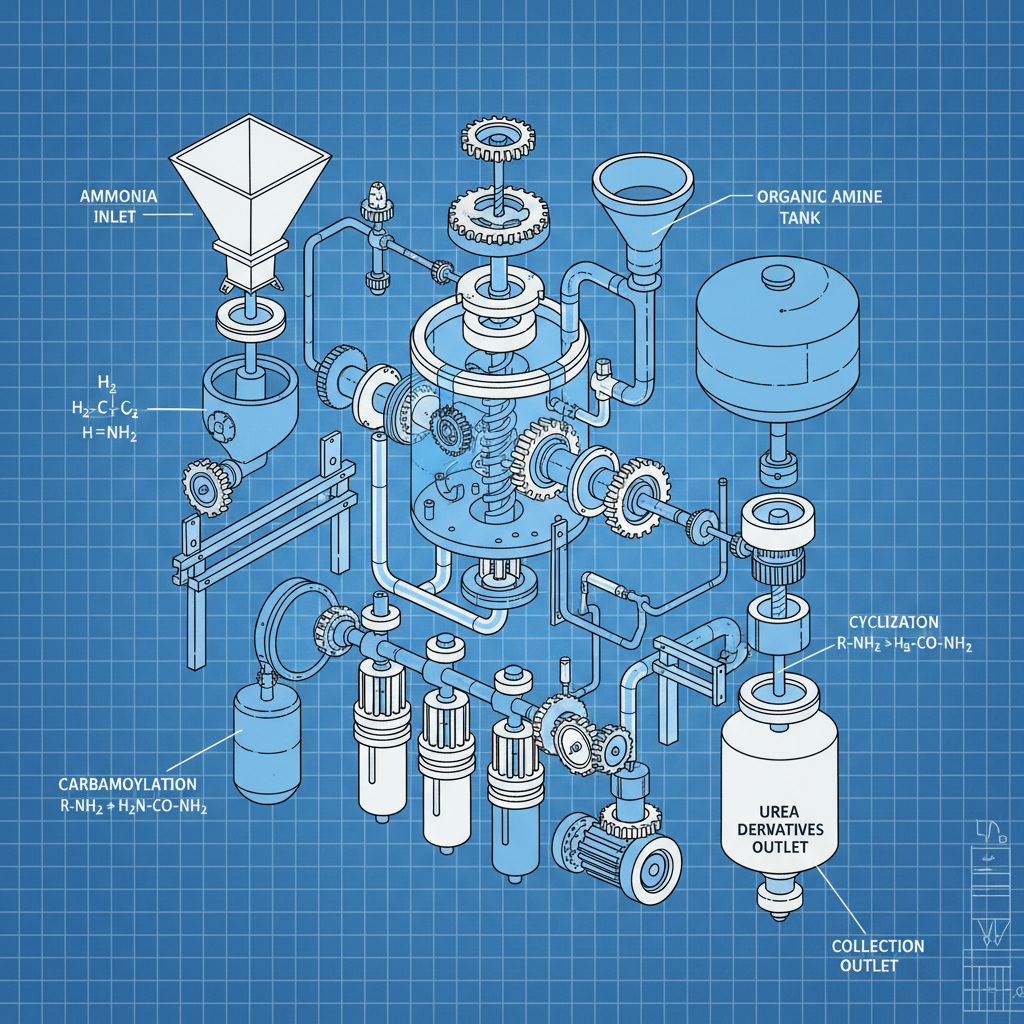
The synthesis of urea derivatives generally involves the reaction of an isocyanate with an amine. However, various modifications and alternative routes exist, depending on the desired derivative and reaction conditions. Common starting materials include urea itself, alkyl and aryl isocyanates, and a diverse range of amines. Controlling the stoichiometry, temperature, and solvent system is crucial for achieving high yields and selectivity. The process can be broadly categorized into direct synthesis, indirect synthesis via intermediates, and cyclization reactions. A thorough understanding of these approaches is fundamental to successful synthesis. HBGX Chemical offers a wide range of isocyanates and amines suitable for these syntheses.
Key Considerations: Controlling the stoichiometry, temperature, and solvent system is crucial for achieving high yields and selectivity in urea derivative syntheses.
Several well-established synthetic routes are employed for the production of urea derivatives. The most common is the reaction between an isocyanate (R-N=C=O) and an amine (R'-NH2), yielding a substituted urea (R-NH-CO-NH-R'). Other methods include the reaction of urea with alcohols or amines under specific catalytic conditions, and the use of carbamoyl chlorides. The choice of route depends on the desired product and available resources. For example, to synthesize a symmetrical urea, one can react urea with two equivalents of an alkyl halide. Alternatively, asymmetrical ureas require sequential introduction of different amines or isocyanates. Explore our catalog for a diverse selection of reagents.
Synthetic Route Benefits:
• High Yields
• Versatile Applications
• Cost-Effective
• Scalable Processes
Catalysts play a significant role in accelerating the rate of urea derivative synthesis and improving selectivity. Tertiary amines, such as triethylamine and DABCO, are commonly used as catalysts in the isocyanate-amine reaction. Metal catalysts, including organotin compounds and zinc complexes, can also be employed, offering enhanced reactivity and control. The choice of catalyst depends on the specific reactants and desired product. Catalyst loading and reaction temperature must be optimized to maximize efficiency and minimize side reactions. At HBGX Chemical, we provide catalysts suitable for diverse urea derivative syntheses.
Urea derivatives find extensive application across various industries. In agriculture, they serve as key components in fertilizers and herbicides. In pharmaceuticals, they are used in the synthesis of drugs and drug intermediates. They also find use in the production of polymers, resins, and coatings. The global market for urea derivatives is substantial and continues to grow, driven by increasing demand in these sectors. The demand for high-purity and specialized urea derivatives is particularly strong, leading to ongoing research and development efforts. HBGX Chemical is a key supplier to these growing markets.
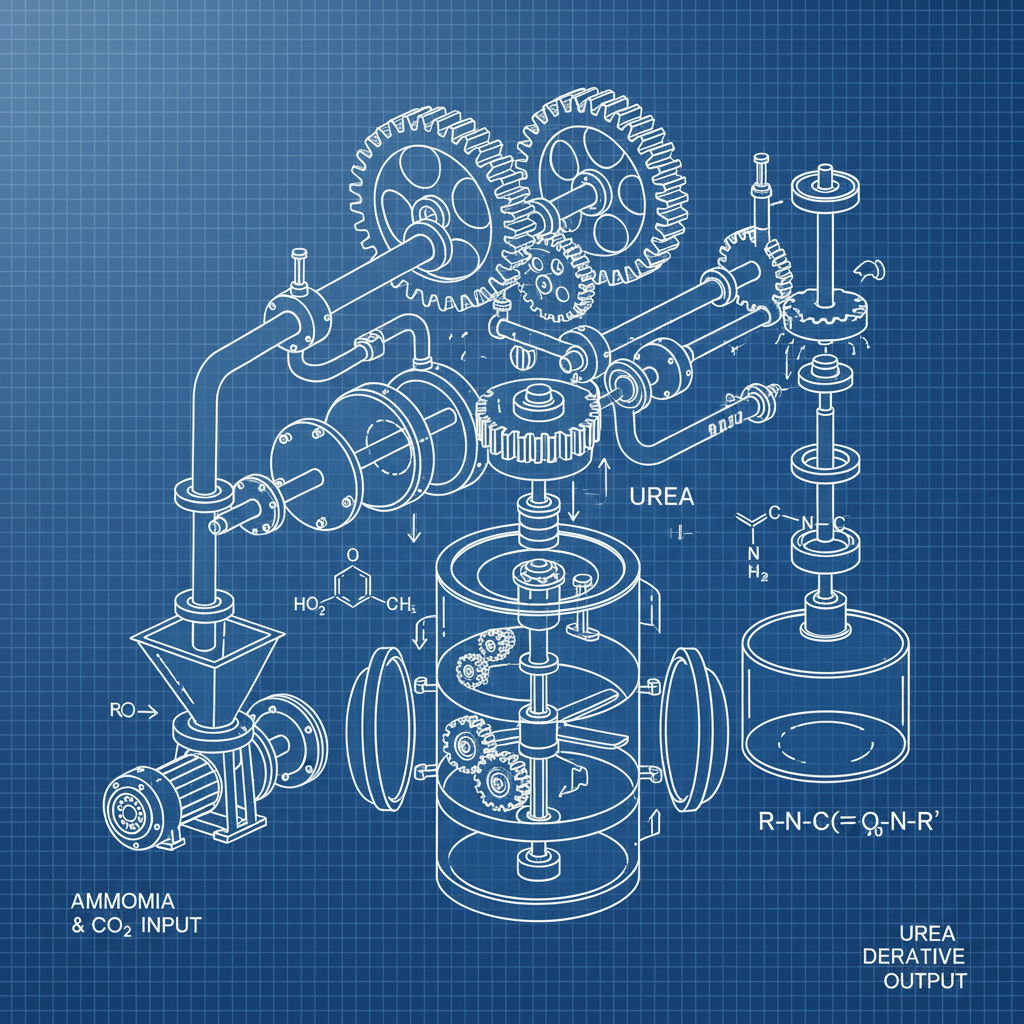
Ensuring the quality and purity of urea derivatives is paramount for their intended applications. HBGX Chemical adheres to stringent quality control measures throughout the synthesis and purification processes. We employ advanced analytical techniques, including HPLC, GC-MS, and NMR, to verify the identity and purity of our products. Our products are accompanied by detailed specifications, including purity, moisture content, and impurity profiles. We also offer customized product specifications to meet specific customer requirements.
The synthesis of urea derivatives remains a vital area of chemical research and industrial production. By understanding the fundamental principles, catalytic effects, and quality control measures, researchers and manufacturers can optimize processes and meet the growing demand for these versatile compounds. HBGX Chemical is committed to providing high-quality reagents and expertise to support advancements in this field.
Isocyanates are highly reactive and can cause irritation to the skin, eyes, and respiratory system. Always work in a well-ventilated area, wear appropriate personal protective equipment (PPE) including gloves, goggles, and a respirator, and avoid contact with moisture. Proper handling and storage are crucial to prevent accidental exposure. Refer to the Safety Data Sheet (SDS) for detailed safety information.
Optimizing reaction conditions is key to maximizing yield. Ensure accurate stoichiometry of reactants, use a high-quality catalyst, control the reaction temperature, and select an appropriate solvent. Removing water formed during the reaction can also improve yield. Consider using a Dean-Stark trap or a drying agent. Careful monitoring of the reaction progress using techniques like TLC or GC-MS can help identify optimal conditions.
The solvent plays a crucial role in dissolving reactants, controlling reaction temperature, and influencing reaction rates. Polar aprotic solvents like DMF and DMSO are often used due to their ability to dissolve both polar and nonpolar compounds. However, the choice of solvent should also consider its reactivity with the reactants and its ease of removal after the reaction.
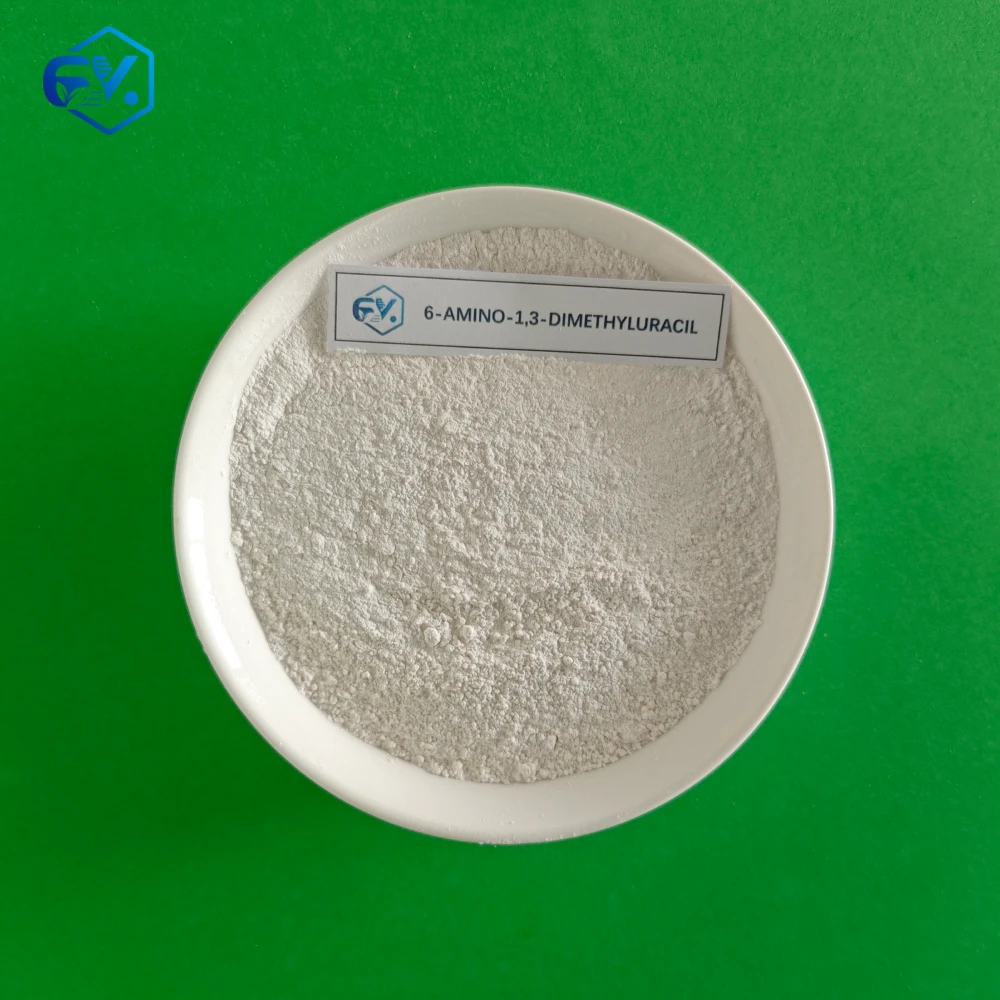
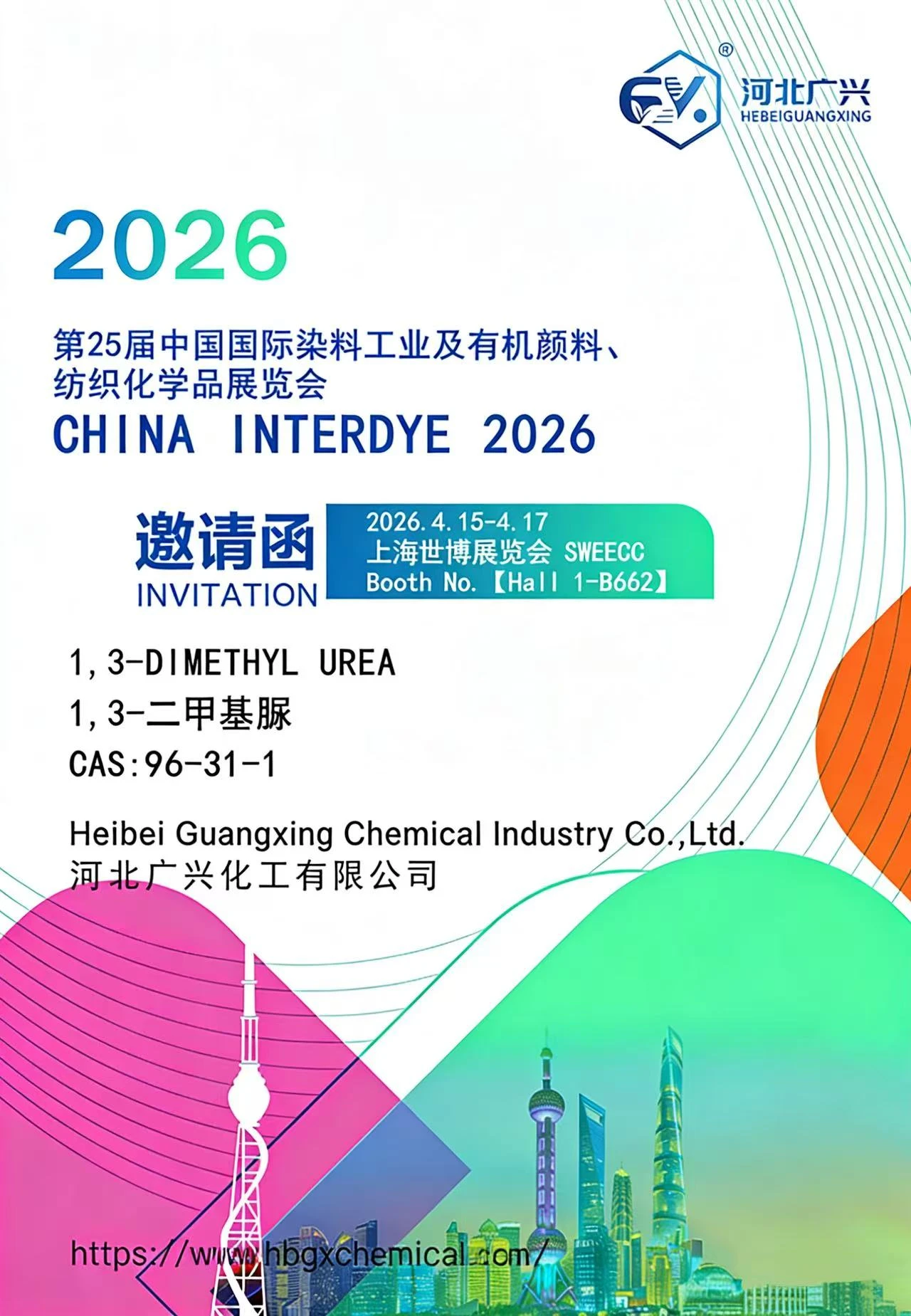
Hebei Guangxing Chemical Industry Shines at CHINA INTERDYE 2026


 English
  Arabic
  Belarusian
  Bengali
  Bulgarian
  Finnish
  French
  German
  Hebrew
  Hindi
Hindi  Hungarian
  Indonesian
  Italian
  Japanese
  Korean
  Persian
  Portuguese
  Russian
  Spanish
  Turkish