








Nov . 10, 2026
Chemical wholesalers can screen refined 1,3-Dimethylurea by identity, composition, physical form, end use and packing format. Our grade is a white crystalline powder with chromatographic purity of at least 98%, moisture no higher than 0.5%, a melting point of 103 to 108°C, and a molecular weight of 88.12. These checkpoints help match customer requirements before a quotation is prepared.
Verify the product identity with 1,3-dimethylurea, CAS 96-31-1, EINECS 202-498-7 and molecular formula C3H8N2O before matching a customer request.
Compare chromatographic purity of at least 98%, moisture no higher than 0.5%, white crystalline powder form and a 103 to 108°C melting point with the customer’s process limits.
Match the application to pharmaceutical intermediates, agrochemical synthesis, resin modifiers, coatings, dye auxiliaries, textile auxiliaries or cosmetic use.
Check whether the 25 kg bag, inner polyethylene bag and outer white woven bag fit the customer’s storage and allocation plan.
Chemical wholesalers need a product description that can move from sales inquiry to technical review without changing meaning. We supply 1,3-Dimethylurea (Refined) as a white crystalline powder. Its key purchase values are chromatographic purity of at least 98%, moisture no higher than 0.5%, a melting point of 103 to 108°C, and a molecular weight of 88.12.
Use the chemical identity as the first filter for every customer request. Our product is 1,3-dimethylurea, with the synonyms N,N'-dimethylurea and sym-dimethylurea. The CAS number is 96-31-1, the EINECS number is 202-498-7, and the molecular formula is C3H8N2O.
These identifiers give your purchasing and technical teams a shared reference when a customer uses a trade description, an internal item number or a synthesis route. Put the product name, CAS number and formula together on the inquiry so the material is matched to the intended urea derivative. This step is especially useful when a distributor handles several related intermediates.
The refined grade has chromatographic purity of at least 98% and moisture no higher than 0.5%. Treat these as separate acceptance fields. Purity addresses the composition target, while moisture matters for customers whose weighing, charging or reaction preparation controls water.
The grade suits pharmaceutical intermediates, agrochemical synthesis, resin modifiers, coatings, dye auxiliaries and chemical synthesis. It is also used in textile auxiliaries for formaldehyde-free anti-wrinkle finishing products and in cosmetics as an emollient. Ask the customer for the required purity and moisture limits before discussing volume. A general request for bulk chemicals does not identify the process boundary needed for a sound match.
The material is a white crystalline powder with a melting point of 103 to 108°C. Its molecular weight is 88.12. These values give a wholesaler practical fields for a customer’s formulation review, incoming material checklist or reaction calculation.
A receiving team may first match the name, CAS number and formula, then review appearance and melting range as part of its own material procedure. A process team may use the molecular weight when converting between mass and molar quantities. Send the customer’s acceptance limits with the inquiry so we can assess the intended grade against the actual use.
Pharmaceutical and agrochemical customers should begin with the identity and composition requirements for their synthesis route. Resin and coating customers can review the material as a modifier or chemical input. Dye and textile customers can assess it for auxiliary use, including formaldehyde-free anti-wrinkle finishing products. Cosmetic customers can consider the emollient application.
The product fits a chemical wholesaler who needs one identified intermediate to serve these application groups. Its limit is equally clear: the order should be tied to the customer’s specific use, purity target, moisture limit and quantity. Record those fields before you compare offers or describe the material to a downstream buyer.
The standard package is 25 kg per bag, with an inner polyethylene bag and an outer white woven bag. This unit gives you a defined quantity for storage, customer allocation and order planning. Customized packaging can be discussed when a customer’s handling plan requires another format.
Picture a distributor receiving several bags for separate customer orders. The warehouse team needs to reserve space for the 25 kg units, while the sales team needs the same package information when planning allocation. Include the desired package format, total quantity and delivery destination in the quotation request. These details allow the packaging discussion to follow the actual order instead of a generic bulk request.
A useful request should contain the intended application, product identity or customer item reference, required chromatographic purity, moisture limit, package format, total quantity and delivery destination. For synthesis customers, add the process acceptance range that matters for the material review. For textile, coating, dye or cosmetic customers, identify the planned use so the product description stays aligned with the application.
Choose 1,3-Dimethylurea (Refined) when your customer needs this identified intermediate in white crystalline powder form and accepts at least 98% chromatographic purity, no more than 0.5% moisture and a 103 to 108°C melting point. Send the application, identity reference, limits, package format, quantity and destination to us for a focused quotation.

About the author
The company
Hebei Guangxing Chemical Co., Ltd. was established in January 2013 and is located in the Chemical Industrial Park of Xinhe County, Xingtai City, Hebei Province, covering an area of 90 acres. The main products are 5000 tons/year of 13-dimethylurea and 6000 tons/year of 6-amino-13-dimethyluracil. Our company is the first and the largest uracil production enterprise and also the only domestic uracil production enterprise specializing in PVC heat stabilizers in China.…
About Us ↗Visit company website ↗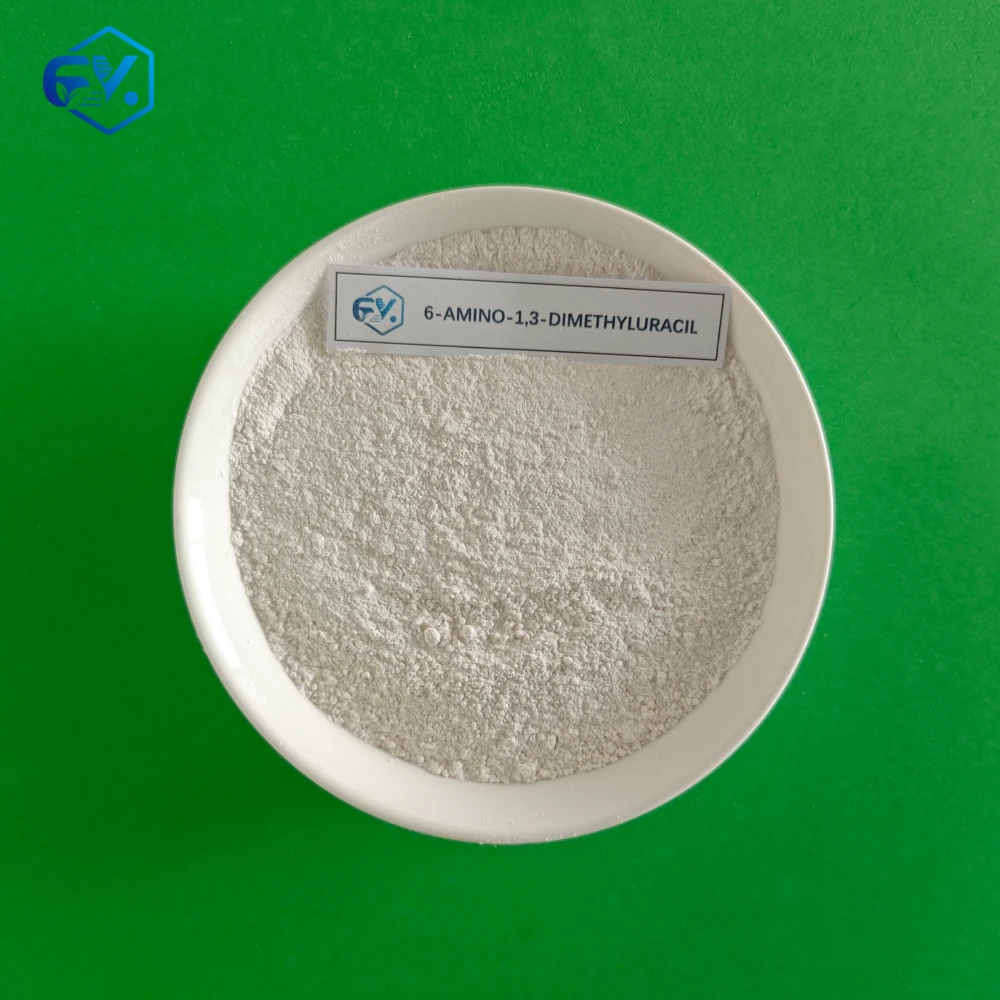
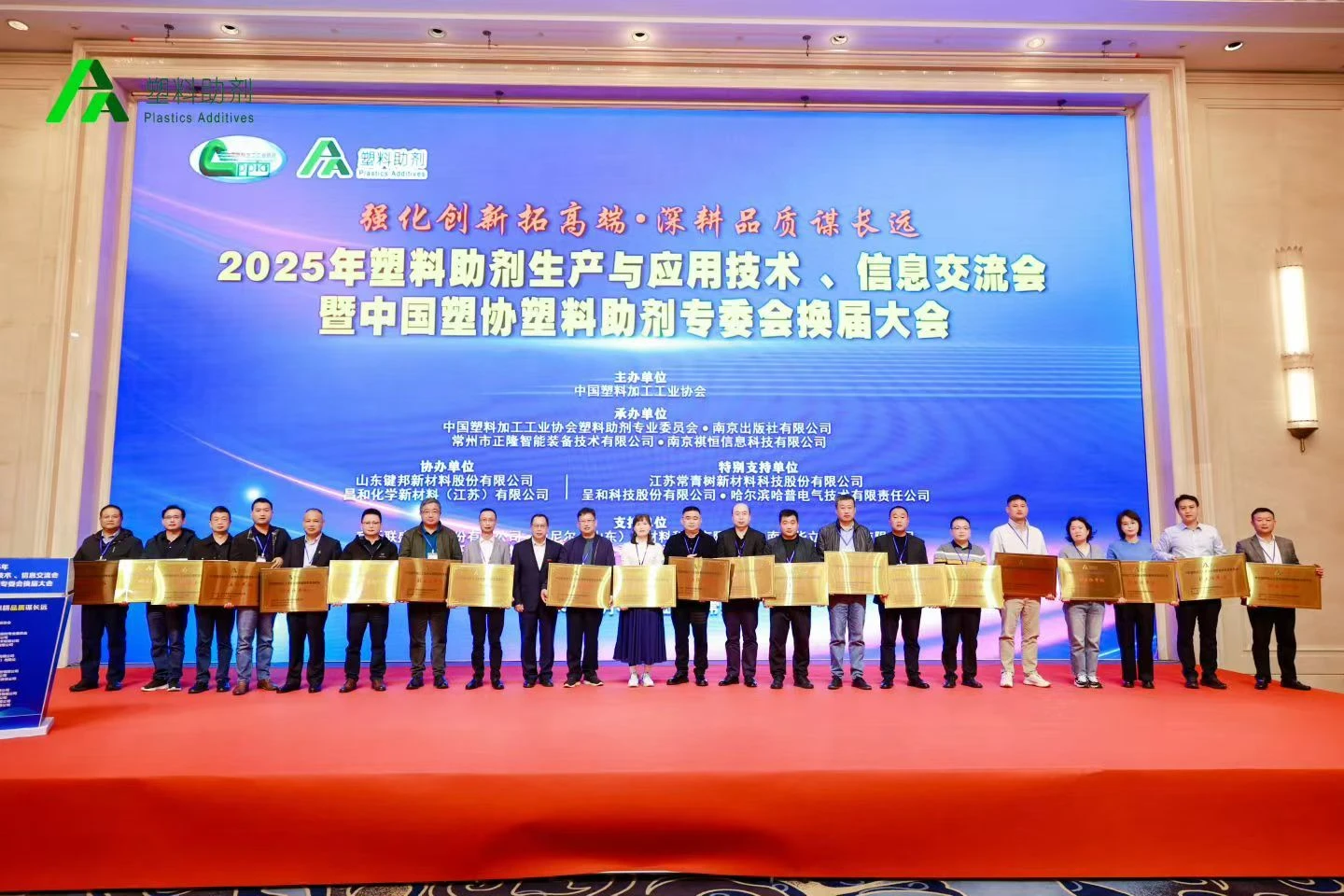
HEBEI GUANGXING CHEMICAL Attends 2025 PVC Additives Technology & Industry Exchange Conference