









Dec . 12, 2025
For decades, the durability and versatility of Polyvinyl Chloride (PVC) have been undeniable, forming the backbone of countless applications from window profiles and pipes to cables and flooring. However, the very additives that granted this stability—lead-based compounds—cast a long shadow over its environmental and health profile. As the global community pivots towards a greener, safer future, the PVC industry has undergone a quiet revolution. The old guardians have been retired, replaced by a new generation of advanced, high-performance stabilizers. At the forefront of this transformation are the sophisticated chemical intermediates that form the foundation of modern, non-toxic solutions, redefining what PVC can be.
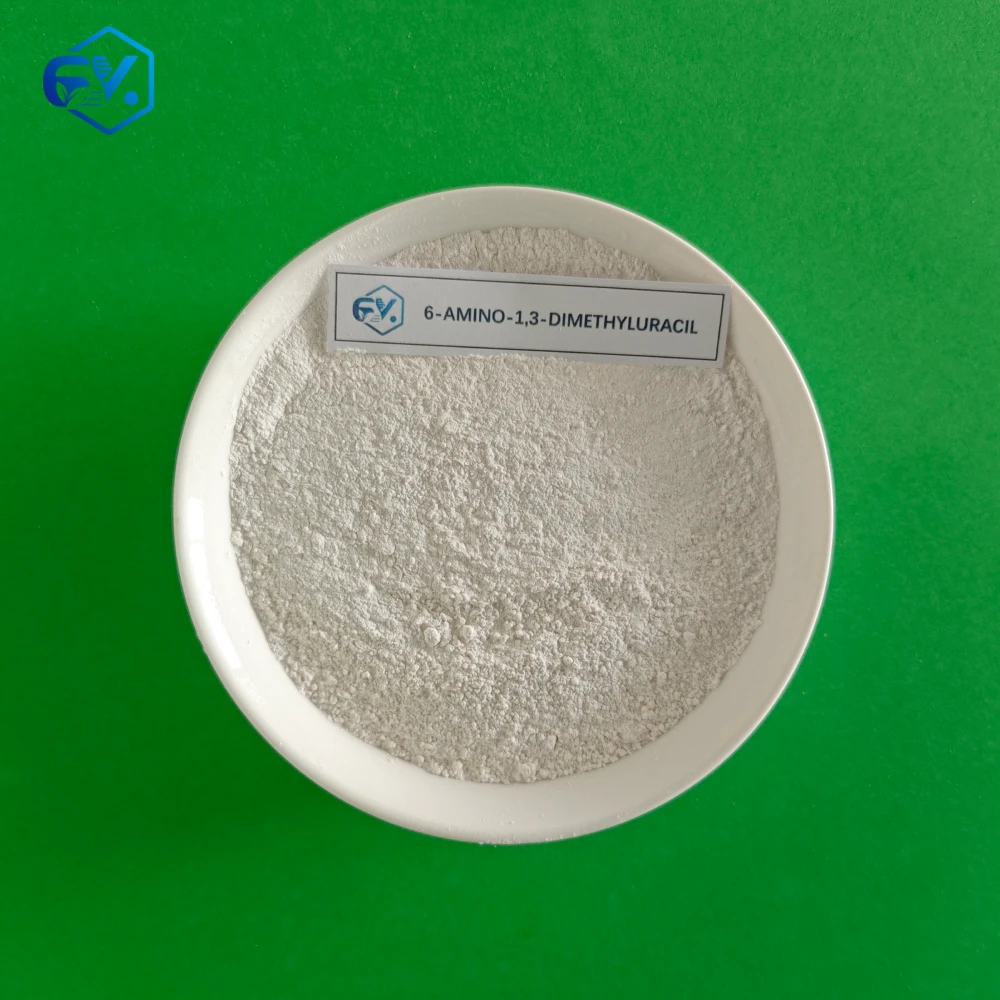
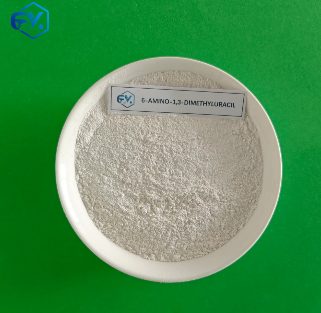
The journey to a superior pvc heat stabilizer begins long before the final product is blended into the polymer. It starts with the creation of highly specialized chemical intermediates. These are the sophisticated building blocks, the molecular architects, that impart exceptional thermal stability and clarity to PVC compounds. A prime example of such a critical intermediate is 6-Amino-1,3-dimethyluracil. This compound is far more than a simple ingredient; it is a testament to advanced chemical engineering. As a key intermediate, its molecular structure is designed to actively absorb and neutralize hydrochloric acid (HCl) released when PVC is exposed to heat during processing. This action effectively halts the degradation chain reaction that would otherwise cause the polymer to discolour and become brittle. Companies like Hebei Guangxing Chemical Co., Ltd., with their focused production of such high-purity intermediates, provide the essential foundation upon which the entire industry of eco-friendly PVC is being built.
When these advanced intermediates are incorporated into a formulated system, they create the modern pvc heat stabilizer. These are the true workhorses, the comprehensive packages designed to protect PVC integrity through the rigours of extrusion, calendering, and injection moulding. The superiority of a stabilizer is often dictated by the quality and efficacy of its core intermediates. For instance, a stabilizer built around the 6-Amino-1,3-dimethyluracil platform offers a compelling suite of benefits. It provides outstanding initial colour hold and long-term stability, ensuring that PVC products maintain their aesthetic and mechanical properties throughout their service life. Furthermore, these systems are inherently non-toxic, making them ideal for sensitive applications like potable water pipes, food packaging, and medical tubing. Their compliance with stringent international standards like REACH and RoHS is not an afterthought but a fundamental characteristic, opening doors to global markets that have closed their borders to heavy-metal-based alternatives.
Product Spotlight: A key intermediate in this category is detailed below:
|
Parameter |
Specification |
|
CAS Number |
253195-26-5 |
|
Chemical Names |
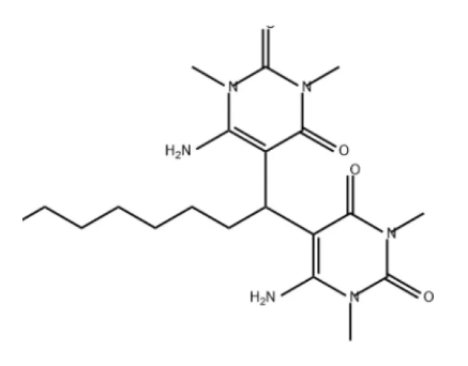
Uracil Impurity 171; 5,5'-octylidenebis[6-amino-1,3-dimethyl-2,4(1H,3H)-Pyrimidinedione]; 2,4(1H,3H)-Pyrimidinedione,5,5'-octylidenebis[6-amino-1,3-dimethyl- |
|
Molecular Formula |
C₂₀H₃₂N₆O₄ |
|
Molecular Weight |
420.51 |
|
Function |
Used as an auxiliary stabilizer for PVC transparent products and other chemical synthesis. |
The world of PVC is diverse, and certain applications demand even more specialized stabilizer solutions. This is particularly true for plastisol systems—a unique, liquid suspension of PVC particles in a plasticizer. Plastisol heat stabilizer formulations face the unique challenge of providing thermal protection while also maintaining the low viscosity and stability of the liquid paste during storage and processing. When heated, the plastisol must fuse into a homogeneous, strong, and colour-stable material. The demands on a plastisol heat stabilizer are therefore distinct, requiring excellent compatibility with plasticizers and a minimal impact on rheology. The same high-purity intermediates that empower rigid PVC stabilizers are equally critical here, engineered to deliver flawless performance in coatings, synthetic leather, and screen printing inks, ensuring a bubble-free, durable, and brilliantly coloured final product.
Our uracil-based intermediates form the core of next-generation pvc heat stabilizer systems. The primary advantages are their exceptional environmental profile, being entirely lead- and heavy-metal-free, and their superior performance in maintaining colour clarity and longevity in PVC products. They offer a safe, effective, and globally compliant solution that meets the demands of modern manufacturing and conscious consumers.
A high-quality plastisol heat stabilizer based on our advanced intermediates ensures excellent thermal stability during the gelling and fusion stages of plastisol processing. This results in coatings with superior surface quality, no pinholes, enhanced UV resistance, and outstanding flexibility. It prevents discolouration and degradation, allowing for the production of vibrant, durable synthetic leathers and floor coatings.
Absolutely. This is a cornerstone of our product development. Key intermediates like 6-Amino-1,3-dimethyluracil are officially registered under EU REACH. All our products are manufactured to comply with RoHS standards, ensuring they are free from restricted substances. This guarantees our partners a smooth entry into the most regulated markets, including the European Union and North America.
Yes, indeed. The intermediates we produce are particularly effective in formulations for transparent PVC products. They exhibit excellent clarity and do not cause haze or fogging. Furthermore, their non-toxic nature makes them the ideal choice for sensitive applications such as medical devices, food-contact films, and packaging, providing safety without compromising on performance.
With over a decade of dedicated focus, we are China's pioneering and largest uracil production enterprise specializing in pvc heat stabilizer intermediates. Our credentials, including high-tech enterprise status, ISO certifications, and numerous provincial awards for manufacturing excellence, attest to our commitment to quality, innovation, and reliability. We are not just a supplier; we are a technical partner committed to supporting your product development and ensuring a sustainable, high-performance supply chain.
The evolution of PVC is unstoppable, driven by innovation and a responsibility to people and the planet. By harnessing the power of advanced chemical intermediates, the industry has successfully moved beyond lead, embracing a new era where performance and sustainability are inextricably linked. The new guardians of PVC are here, ensuring this vital material remains a safe, durable, and versatile choice for the future.
Calcium Zinc Stabilizer For Reliable PVC Production


 English
  Arabic
  Belarusian
  Bengali
  Bulgarian
  Finnish
  French
  German
  Hebrew
  Hindi
Hindi  Hungarian
  Indonesian
  Italian
  Japanese
  Korean
  Persian
  Portuguese
  Russian
  Spanish
  Turkish