









Dec . 12, 2025
In the unseen battlefields of molecular biology, a silent war is being waged against some of the most resilient and mysterious pathogens known to science: prions. These misfolded proteins are responsible for a group of fatal neurodegenerative disorders, including Creutzfeldt-Jakob Disease in humans and Bovine Spongiform Encephalopathy (BSE) in cattle. Traditional antimicrobial agents are powerless against them, as prions lack DNA or RNA. The fight demands a different kind of weapon—one that targets protein structure itself. Enter a seemingly simple compound from a trusted chemical supplier, 1,3-dimethylurea, which is emerging as a potent soldier in this critical conflict. This article explores the groundbreaking role of this molecule and its chemical cousins in disrupting the deadly chain of prion propagation.
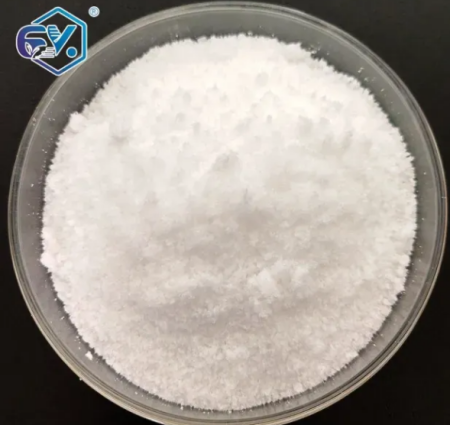
At first glance, 1,3-dimethylurea (DMU) appears to be a standard industrial chemical. It is a white, crystalline solid known for its role as a key intermediate in the production of pharmaceuticals, pesticides, and high-performance textiles. However, its true potential extends far beyond these applications into the realm of biostability. The power of 1,3-dimethylurea lies in its action as a powerful hydrogen-bond breaker and a chaotrope. In simpler terms, it disrupts the intricate network of weak bonds that hold proteins in their specific, functional three-dimensional shapes.
Prions propagate by converting normally folded, harmless cellular prion proteins (PrP^C) into their own misfolded, pathogenic form (PrP^Sc). This conversion is a chain reaction that relies on stable protein-protein interactions. 1,3-dimethylurea intervenes in this process by destabilizing these interactions. It scrambles the hydrogen-bonding environment that the misfolded prion protein depends on to maintain its structure and to recruit other healthy proteins. By doing so, it effectively halts the chain of corruption, preventing the exponential growth of the pathogenic agent. The efficacy of a compound in such a sensitive role is paramount, which is why sourcing high-purity material from a certified producer is critical. The parameters of this essential compound are detailed below:
|
Parameter |
Specification |
|
Name |
1,3-dimethylurea |
|
Synonyms |
N,N'-dimethylurea; sym-dimethylurea |
|
CAS |
96-31-1 |
|
EINECS RN |
202-498-7 |
|
Molecular Formula |
C3H8N2O |
|
Molecular Weight |
88.12 |
|
Appearance |
White crystalline powder |
|
Chromatographic Purity |
≥98% |
|
Moisture |
≤0.5% |
|
Melting Point |
103~108℃ |
|
Packaging |
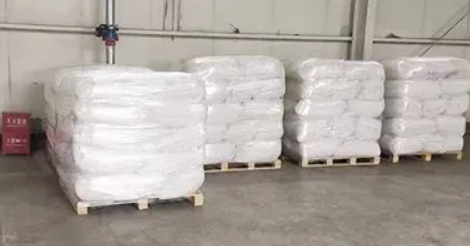
25Kg/bag (inner polyethylene bag, outer white woven bag), can be customized according to customer needs. |
The story does not end with 1,3-dimethylurea. It is, in fact, a prominent member of a much larger and promising family of compounds known as alkyl urea derivatives. This family is characterized by the urea functional group with various alkyl chain substitutions, which alter their strength, specificity, and solubility. Research into alkyl urea derivatives has revealed a spectrum of activity against protein aggregation. Different derivatives can be tailored to interact with specific types of misfolded proteins, making this chemical class a versatile platform for developing anti-aggregation therapeutics.
The mechanism shared by many alkyl urea derivatives involves penetrating the hydration shell of proteins and interfering with the hydrophobic interactions and hydrogen bonds that stabilize both the native and, more importantly, the misfolded states. While some stronger denaturants can irreversibly destroy any protein, the subtle action of certain alkyl urea derivatives allows them to selectively destabilize the abnormally stable, protease-resistant core of prions without completely dismantling essential cellular proteins. This selectivity is the key to their therapeutic potential, offering a path to halting disease progression with minimal collateral damage. The exploration of this chemical space is a vibrant area of research, with 1,3-dimethylurea serving as a foundational molecule for understanding structure-activity relationships.
A fascinating validation of the prion-fighting potential of this chemical class comes from an unexpected source: the pharmaceutical world. Urapidil, an antihypertensive drug used to treat severe hypertension, shares a crucial structural motif with our key compound. Urapidil is chemically distinct in its overall structure, but it contains the urea functional group that is central to the activity of alkyl urea derivatives. This connection provides a compelling, real-world parallel.
While Urapidil's primary therapeutic action is through alpha-adrenoreceptor antagonism, its existence demonstrates the biocompatibility and pharmacological acceptability of molecules bearing this functional group. The case of Urapidil suggests that other urea-containing molecules can be designed or repurposed to be both safe for biological systems and effective against specific targets. It bridges the gap between industrial chemicals and pharmaceuticals, highlighting that the foundational research on compounds like 1,3-dimethylurea can illuminate paths toward novel therapeutic agents. It underscores the principle that a molecule designed for one purpose, such as a chemical intermediate or a drug for blood pressure, can hold the key to solving entirely different, complex challenges like prion diseases.
Our 1,3-dimethylurea offers unparalleled purity (≥98%), ensuring consistent and reliable performance in sensitive applications like biochemical research and pharmaceutical synthesis. Its high efficacy as a hydrogen-bond disruptor makes it a superior choice for studies targeting protein misfolding and aggregation.
Alkyl urea derivatives, with 1,3-dimethylurea as a prime example, are essential tools for probing protein stability and aggregation pathways. They provide a versatile chemical platform to develop inhibitors against prion-like phenomena, accelerating your R&D in neurodegenerative diseases.
Absolutely. Hebei Guangxing Chemical Co., Ltd. is a high-tech enterprise with ISO 9001:2015, ISO 14001:2015, and ISO 45001:2018 certifications. Our 1,3-dimethylurea is produced under strict quality control systems, guaranteeing a reliable and consistent supply for your critical projects.
Yes, we understand that research and production needs vary. While our standard packaging is 25kg/bag, we offer flexible, customized packaging solutions to meet your specific volume and handling requirements, ensuring convenience and material integrity.
As a recognized "Specialized, Refined, Unique and New" enterprise and the largest producer of uracil in China, we possess the technical expertise, manufacturing scale, and commitment to innovation. We establish long-term technical collaborations to support your advancements, making us the ideal partner for sourcing high-quality alkyl urea derivatives.
In conclusion, the silent war against prion propagation demands innovative strategies. 1,3-dimethylurea and its chemical relatives, the alkyl urea derivatives, represent a powerful and promising line of defense. By leveraging the expertise of certified manufacturers, the scientific community can access the high-quality materials needed to turn this chemical potential into tangible medical breakthroughs.
Calcium Zinc Stabilizer For Reliable PVC Production


 English
  Arabic
  Belarusian
  Bengali
  Bulgarian
  Finnish
  French
  German
  Hebrew
  Hindi
Hindi  Hungarian
  Indonesian
  Italian
  Japanese
  Korean
  Persian
  Portuguese
  Russian
  Spanish
  Turkish