









Jan . 19, 2026
96 31 1 is a stable and reactive organic compound widely used in chemical, textile, and polymer industries. Its primary applications include acting as a crosslinking agent in non-formaldehyde textile finishing, a raw material for chemical intermediates, and a component in PVC stabilizers. Manufacturers rely on 96 31 1 for its high reactivity, thermal stability, and environmental compliance.
The compound is particularly important in the textile industry. In garment finishing agents, 96 31 1 captures free formaldehyde, forming stable compounds that significantly reduce formaldehyde residues in finished fabrics. This makes textiles safer for consumers and helps manufacturers meet international environmental standards, including Oeko-Tex and GB 18401.
Additionally, 96 31 1 is used in chemical synthesis and polymer production, where its reactive properties enable efficient reactions and consistent product quality. Practical applications of this compound make it a preferred choice for industries focused on safety, sustainability, and cost-effective production.
Dimethylurea is increasingly recognized for its practical applications in textiles, paper, and chemical intermediates. Its ability to react with free formaldehyde allows it to replace or assist traditional formaldehyde-releasing crosslinking agents, supporting environmentally friendly production. This is particularly important in no-iron finishing agents for cotton and polyester-cotton blends, where dimethylurea maintains a soft hand feel while significantly reducing formaldehyde release.
In chemical synthesis, dimethylurea is valued for its stability and versatility. It can participate in multiple reactions, providing manufacturers with consistent performance and reliable yields. As environmental regulations become stricter, dimethylurea’s low-toxicity, non-hazardous profile makes it the additive of choice for sustainable and practical industrial applications.
Producers and processors benefit from its dual role: improving product performance while reducing environmental impact. This combination of practicality and compliance explains why demand for dimethylurea is growing steadily in both domestic and international markets.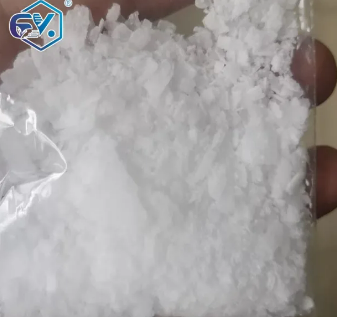
CAS 96 31 1 is the internationally recognized identifier for dimethylurea, ensuring precise sourcing and regulatory compliance. Its CAS number is crucial for manufacturers, traders, and suppliers to guarantee chemical purity, safety, and suitability for industrial processes.
High-purity CAS 96 31 1 is increasingly sought after in environmental finishing agents for textiles, chemical intermediates, and PVC stabilizers. By using CAS 96 31 1, manufacturers can maintain consistent reaction performance, reduce impurities, and improve product durability.
Guangxing Chemical, the largest producer of high-content dimethylurea in China, offers 95% and 98% purity grades. Their products have been widely applied in textile printing, dyeing, papermaking, and chemical synthesis. By choosing CAS 96 31 1 from a reliable supplier, industrial users gain a stable source of high-quality material, supporting both practical and sustainable production goals.
CAS No 96 31 1 is not only an identifier but a symbol of reliability and quality. In modern textile applications, this compound helps companies comply with stringent environmental regulations by reducing free formaldehyde in garments. Its use in low-formaldehyde or no-iron finishing agents allows manufacturers to produce safer fabrics for consumers without compromising the tactile quality or durability of textiles.
In addition to textile applications, CAS No 96 31 1 is used in chemical intermediates and polymer materials, where its high reactivity and thermal stability make it suitable for industrial-scale production. Guangxing Chemical’s products have passed multiple certifications and meet both domestic and international standards. Using CAS No 96 31 1 ensures that industrial processes are efficient, safe, and environmentally responsible.
Dimethyl urea price is an important consideration for manufacturers seeking both high quality and cost efficiency. The market demand for high-purity 98% dimethylurea is increasing due to its growing use in environmentally friendly textile finishing agents and chemical intermediates.
Guangxing Chemical provides competitive pricing without compromising quality. With advanced production technology, strict quality control, and stable supply chains, the company ensures that customers receive consistent and reliable products. The pricing reflects both the purity and performance of dimethylurea, making it a practical investment for long-term industrial applications.
For manufacturers, dimethyl urea price must be balanced with product reliability and performance. Choosing a trusted supplier ensures that production lines are not disrupted and that the chemical consistently meets environmental and industrial standards.
It is used in textile finishing, chemical intermediates, PVC stabilizers, and polymer materials, providing reactivity, stability, and environmental compliance.
The CAS number ensures precise identification, sourcing, and compliance with regulatory standards, guaranteeing consistent purity and industrial performance.
It reacts with free formaldehyde to form stable compounds, reducing residues and supporting compliance with Oeko-Tex and GB 18401 standards.
High-purity 98% dimethylurea is preferred for environmental finishing agents, while 95% is suitable for general industrial applications.
Visit Guangxing Chemical’s website to access product specifications, request technical guidance, and place orders for high-quality dimethylurea suitable for practical and sustainable industrial applications.
For manufacturers seeking 96 31 1, Guangxing Chemical provides high-purity dimethylurea with stable supply and proven industrial performance. The compound is widely used in textile finishing, chemical intermediates, and polymer stabilization, supporting practical and environmentally friendly production processes.
Guangxing Chemical is recognized as the leading producer of high-content dimethylurea in China. Their products are exported overseas and applied in multiple industries, from textile printing and dyeing to papermaking and chemical synthesis. By choosing Guangxing dimethylurea, manufacturers gain a reliable partner, high-quality material, and environmentally responsible solutions.
Visit the company website today to explore detailed product information, request technical consultation, and purchase dimethylurea that meets both practical industrial needs and global environmental standards.
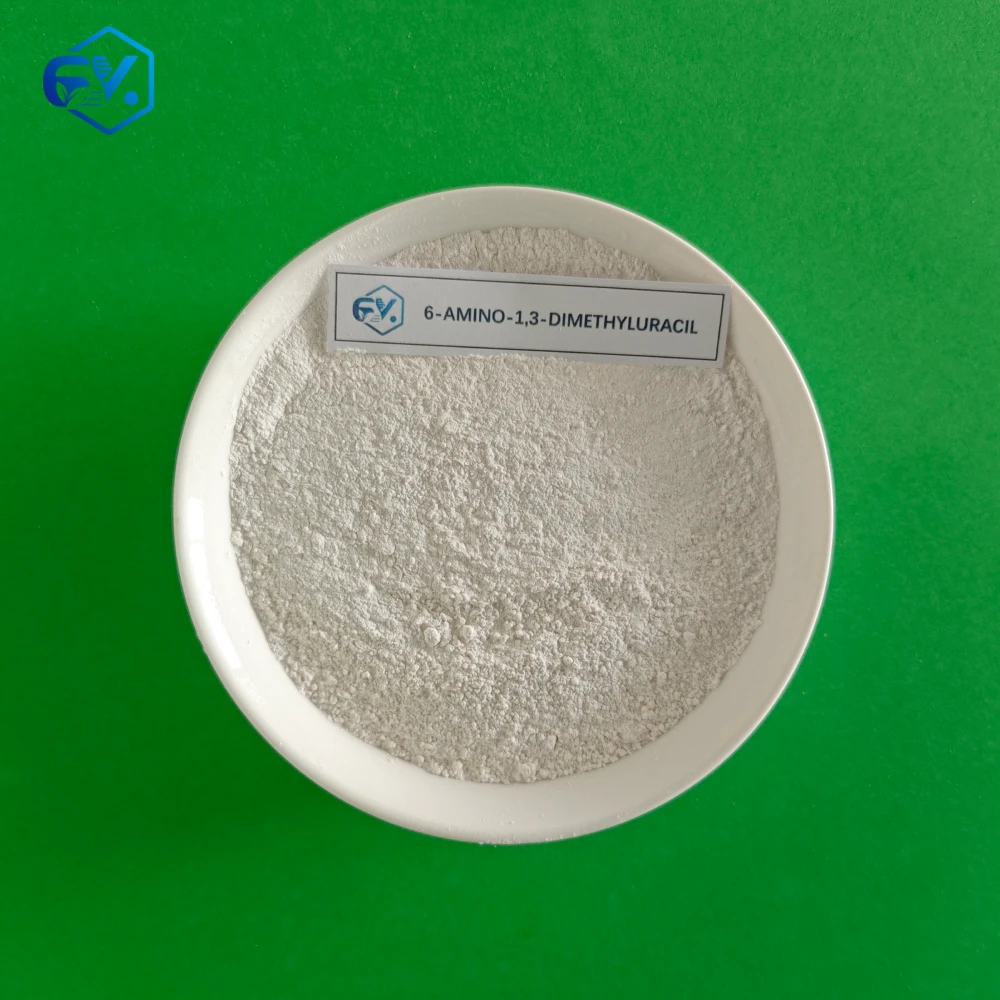
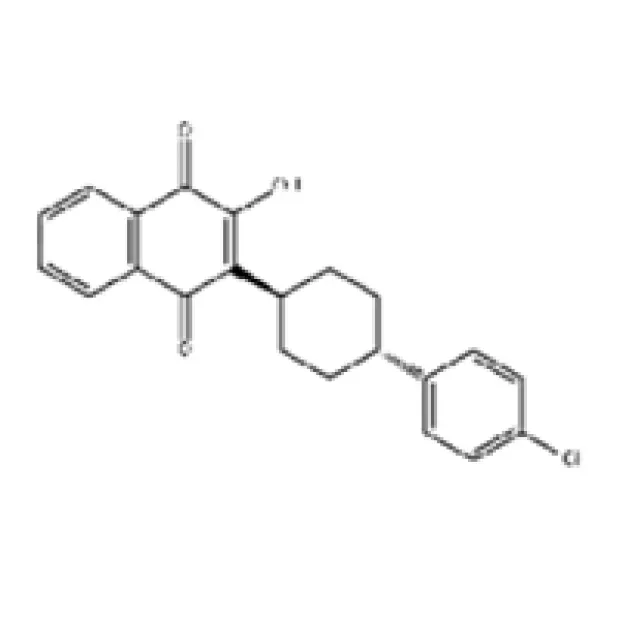
Discover Atovaquone for Effective Malaria & PCP Treatment


 English
  Arabic
  Belarusian
  Bengali
  Bulgarian
  Finnish
  French
  German
  Hebrew
  Hindi
Hindi  Hungarian
  Indonesian
  Italian
  Japanese
  Korean
  Persian
  Portuguese
  Russian
  Spanish
  Turkish