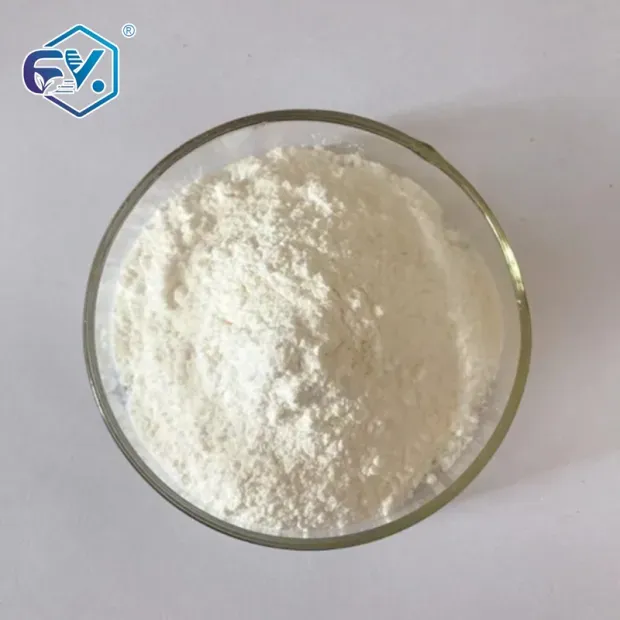









High Purity Uracil for construction chemicals manufacturers
When sourcing specialized intermediates for high-performance polymers, the purity and stability of additive components are non-negotiable. 6-Amino-1,3-dimethyluracil (CAS 6642-31-5) serves as a critical building block in the synthesis of environmentally friendly PVC heat stabilizers and pharmaceutical raw materials. For technical buyers, the challenge lies in finding a supply chain that ensures consistent chromatographic purity and compliance with strict international regulatory frameworks like EU REACH.
As an essential component in the production of calcium zinc stabilizers, this uracil derivative prevents thermal degradation during plastic processing, ensuring the structural integrity of the final product. By leveraging advanced synthesis from urea, manufacturers can achieve the high purity levels required for medical-grade intermediates and industrial-grade plastic additives, bridging the gap between raw chemical synthesis and high-end application performance.

The Technical Role of 6-Amino-1,3-Dimethyluracil in Polymer Stabilization
6-Amino-1,3-dimethyluracil is a sophisticated chemical intermediate primarily utilized in the development of Calcium Zinc (Ca-Zn) stabilizers. In the PVC industry, the move away from lead-based stabilizers has increased the demand for organic co-stabilizers that can effectively neutralize hydrochloric acid released during thermal processing. This specific uracil derivative provides the necessary chemical structure to enhance the efficiency of Ca-Zn systems, reducing the tendency of the polymer to degrade at high temperatures.
From a molecular perspective, the purity of the additive directly influences the transparency and color stability of the PVC. Impurities can lead to premature yellowing or "burning" during extrusion. By maintaining a chromatographic purity of ≥99.0%, the additive ensures that the chemical reactions within the polymer matrix remain predictable. This level of precision is why it is categorized as a high-end additive for specialized plasticizers and pharmaceutical intermediates, where even trace contaminants can compromise the end-use safety and performance.
- Thermal Stability: Prevents the decomposition of PVC during high-heat molding.
- Regulatory Compliance: Essential for meeting RoHS and EU REACH standards in modern construction materials.
- Versatility: Acts as a precursor for both pharmaceutical synthesis and industrial plastic additives.

Critical Quality Specifications for Procurement and Industrial Application
For procurement managers in the chemical sector, evaluating a supplier goes beyond the product name. The physical and chemical properties of 6-Amino-1,3-dimethyluracil must align with the specific requirements of the synthesis process. The melting point of 295°C (decomposition) is a key indicator of purity; any significant deviation usually suggests the presence of unreacted urea or side-product contaminants. Additionally, a loss on drying of ≤1.0% is critical to prevent moisture-induced side reactions during the compounding of PVC stabilizers.
The appearance—an off-white to light yellow powder—is standard, but the consistency of the particle size affects the dispersion rate within the stabilizer blend. When this intermediate is used in pharmaceutical synthesis, the strict adherence to ISO 9001:2015 and ISO 14001:2015 certifications ensures that the batch-to-batch variance is minimized. This reliability is what enables the product to be accepted as a Class A supply component for global leaders in the additive industry, ensuring that the downstream production lines operate without interruption.
Integrating Uracil Derivatives into Sustainable Construction Chemical Systems
The global transition toward "green" construction chemicals has placed a spotlight on the role of non-toxic heat stabilizers. 6-Amino-1,3-dimethyluracil allows construction chemicals manufacturers to formulate stabilizers that are free from heavy metals, meeting the stringent requirements of modern building codes and environmental laws. These sustainable systems are critical for PVC window profiles, pipes, and cable insulation, where long-term UV and thermal resistance are required.
Beyond PVC, the intermediate's application in the synthesis of low-formaldehyde or formaldehyde-free anti-wrinkle agents in the textile industry demonstrates its chemical versatility. By optimizing the urea synthesis route, manufacturers can reduce the environmental footprint of the production process while increasing the yield of high-purity uracil. This dual-track capability—serving both the heavy industrial plastic sector and the precision pharmaceutical market—highlights the strategic importance of this molecule in the global specialty chemical supply chain.
Technical Specifications and Performance Metrics
| Property Parameter | Technical Standard | Test Method/Value | Impact on Application |
|---|---|---|---|
| Chromatographic Purity | ≥99.0% | HPLC Analysis | Ensures reaction predictability |
| Melting Point | 295°C (dec.) | Capillary Method | Indicator of chemical purity |
| Loss on Drying | ≤1.0% | Oven Drying | Prevents hydrolysis in blends |
| Appearance | Off-white Powder | Visual Inspection | Facilitates easy dispersion |
| Compliance | EU REACH/RoHS | Certified Testing | Enables EU/US market export |
Evaluating Supplier Capabilities for High-Purity Intermediates
When selecting a partner for 6-Amino-1,3-dimethyluracil, the manufacturing infrastructure is as important as the product specification. A supplier's ability to operate within a dedicated chemical industrial park—such as the 90-acre facility in Xinhe County—indicates the scale and stability of production. The integration of R&D institutions and technical cooperation with universities ensures that the synthesis process is continuously optimized for cost and quality, which is a vital factor for long-term contract stability.
Furthermore, the certification status of the manufacturer provides a roadmap of their quality commitment. ISO 45001:2018 (Occupational Health and Safety) and ISO 14001:2015 (Environmental Management) are not just badges but evidence of a sustainable operation. For multinational enterprises like Baerlocher or Chemson, these certifications, combined with "Specialized, Refined, Unique and New" enterprise status, signify a supplier that can handle the complexities of global logistics and strict quality audits without compromising delivery timelines.
Future Outlook for Eco-Friendly PVC Additives and Uracil Synthesis
The trajectory of the specialty chemicals market is moving toward total toxicity elimination. We anticipate an increase in the demand for 6-Amino-1,3-dimethyluracil as the pharmaceutical and polymer industries seek more efficient, bio-compatible intermediates. The development of new synthesis routes that further reduce energy consumption while maintaining the ≥99.0% purity threshold will be the next competitive frontier for manufacturers.
For buyers, the focus will shift toward "closed-loop" supply chains where the raw materials are sourced sustainably and the final additives are fully biodegradable or recyclable. As the industry evolves, the synergy between high-tech enterprise status and REACH registration will remain the primary filter for qualifying suppliers. Investing in high-purity uracil derivatives today ensures that the construction and pharmaceutical products of tomorrow meet the highest safety and environmental standards.
Technical FAQ and Procurement Guidance
What is the primary use of 6-Amino-1,3-dimethyluracil in PVC production?
It is used as a high-performance additive in the synthesis of Calcium Zinc (Ca-Zn) heat stabilizers, which prevent the thermal degradation of PVC during processing and replace toxic lead-based stabilizers.
How does the chromatographic purity affect the final plastic product?
Purity levels of ≥99.0% ensure that there are no residual impurities that could cause discoloration, yellowing, or uneven thermal stability in the final PVC profiles or pipes.
Is this product compliant with European environmental regulations?
Yes, 6-Amino-1,3-dimethyluracil is officially registered under EU REACH and complies with RoHS standards, making it suitable for export and use within the European Union.
What are the storage requirements to maintain the ≤1.0% loss on drying?
The product should be stored in a cool, dry, and well-ventilated area, kept in its original 25kg sealed bags to prevent moisture absorption from the atmosphere.
Can this chemical be used for pharmaceutical purposes?
Yes, it serves as an important pharmaceutical intermediate used in the synthesis of various raw materials for medicine, benefiting from its high purity and stable chemical structure.
What distinguishes a Class A supplier for these intermediates?
A Class A supplier typically possesses a combination of high-volume production capacity, strict ISO certifications, REACH registration, and a proven track record of supplying multinational chemical firms.
Industry Technical References
- European Chemicals Agency (ECHA) - REACH Regulation Data
- International Organization for Standardization - ISO 9001/14001 Standards
- ScienceDirect - Research on PVC Thermal Stabilizers and Uracil Derivatives
- PubChem - Chemical Properties of 6-Amino-1,3-dimethyluracil
For organizations requiring customized purity levels or specific packaging for 6-Amino-1,3-dimethyluracil, we recommend contacting our technical team to align specifications with your synthesis requirements.
Related Technical Insights