









High Purity Intermediate Pharmaceutical Products Chlorhexidine
Ensuring the efficacy of medical disinfectants and pharmaceutical formulations requires high-purity raw materials that meet stringent international regulatory standards. Chlorhexidine digluconate, a cornerstone in the field of antiseptic agents, serves as a critical component in both clinical and industrial sanitization. Its broad-spectrum antimicrobial activity makes it indispensable for surgical scrubs, oral rinses, and skin preparations, where maintaining a sterile environment is non-negotiable.
For procurement managers and pharmaceutical chemists, the challenge lies in sourcing a stable, colorless to light yellow transparent liquid that guarantees consistent performance across various concentrations. As a specialized manufacturer in the chemical sector, Hebei Guangxing Chemical Co., Ltd. provides a high-grade version of this essential agent, ensuring compatibility with complex pharmaceutical delivery systems and strict adherence to safety protocols like RoHS, catering to the precision demanded by global healthcare markets.

Technical Profile and Chemical Composition of Chlorhexidine Digluconate
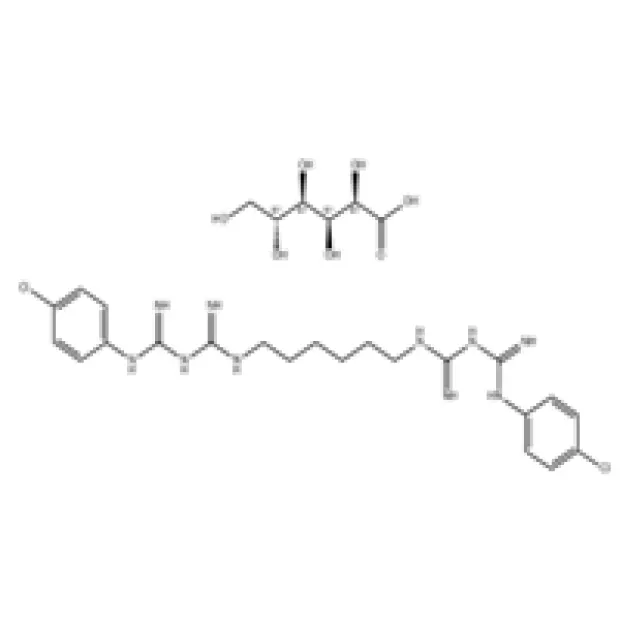
Chlorhexidine digluconate is a biguanide antiseptic with the molecular formula C28H42Cl2N10O7 and a molecular weight of 701.61. It is characterized by its potent ability to disrupt microbial cell membranes, leading to the leakage of intracellular components and subsequent cell death. Unlike many other disinfectants, it exhibits a unique "persistence" effect, meaning it remains active on the skin for several hours after application, providing a sustained barrier against contamination.
The substance is synthesized as a salt of chlorhexidine and gluconic acid. Its solubility in water and alcohol allows it to be easily integrated into various delivery formats, from aqueous solutions to gels. In the context of intermediate pharmaceutical products, the purity of the digluconate salt is paramount, as impurities can lead to precipitation or reduced antimicrobial potency, potentially compromising the sterilization process in clinical settings.
- Physical State: Colorless to light yellow transparent liquid.
- Chemical Nature: Cationic biguanide.
- Regulatory Compliance: Manufactured to meet RoHS standards for safety and environmental protection.

Industrial Applications and Antimicrobial Efficacy
The application of this compound spans across diverse medical and hygiene sectors. In surgical environments, it is widely utilized for pre-operative skin disinfection to reduce the risk of surgical site infections. Its efficacy against a wide range of Gram-positive and Gram-negative bacteria makes it a preferred choice for formulating hand rubs and surgical scrubs. Furthermore, its use in dental care—specifically in mouthwashes and periodontal treatments—highlights its versatility and biocompatibility.
Beyond the clinic, it finds significant utility in the production of environmentally friendly additives and specialized chemical agents. The ability to control the concentration precisely allows manufacturers to create products that are effective yet gentle on human tissue. When integrated into medical-grade plastics or coatings, it provides long-term antimicrobial surfaces, reducing the prevalence of healthcare-associated infections (HAIs) in hospital wards.
The stability of the compound under various pH levels ensures that it remains active in complex mixtures. This stability is a key reason why it is favored over simpler alcohols in scenarios where prolonged protection is required, as it does not evaporate quickly and creates a substantive bond with the skin's proteins.
Critical Evaluation Criteria for Pharmaceutical Grade Sourcing
When selecting a supplier for high-purity antiseptic agents, procurement teams must look beyond the basic CAS number. The consistency of the molecular weight and the absence of residual solvents are critical for maintaining the stability of the final pharmaceutical product. A high-quality liquid should be transparent and free of suspended particles, as any turbidity can indicate degradation or contamination, which could trigger adverse reactions in sensitive patients.
Quality management systems such as ISO 9001:2015 and ISO 14001:2015 are essential markers of a reliable manufacturer. These certifications ensure that the production process is standardized and that environmental impacts are mitigated. Moreover, for companies exporting to the European Union, REACH registration is a non-negotiable requirement to ensure the safe use and transport of chemical substances across borders.
Customization is another vital factor. Depending on the end-use—whether it is a high-concentration industrial disinfectant or a diluted pharmaceutical spray—the viscosity and purity levels may need adjustment. A supplier capable of tailoring specifications to the exact needs of the client can significantly reduce the downstream formulation costs and time-to-market for new healthcare products.
Technical Specifications and Application Suitability
| Property/Parameter | Specification | Application Impact | Evaluation Metric |
|---|---|---|---|
| Appearance | Colorless to light yellow | Aesthetic and Purity | Visual Inspection |
| Molecular Weight | 701.61 g/mol | Chemical Reactivity | Mass Spectrometry |
| Solubility | Water-Soluble | Formulation Ease | Solubility Testing |
| Compliance | RoHS Compliant | Regulatory Approval | Certificate of Analysis |
| Stability | High Persistence | Antimicrobial Duration | Time-Kill Assay |
Manufacturing Excellence and Quality Control Framework
Hebei Guangxing Chemical Co., Ltd. leverages advanced synthesis technologies to maintain a leading position in the production of specialized chemical agents. By operating within a dedicated Chemical Industrial Park, the company ensures a controlled environment that minimizes external contamination. The integration of R&D initiatives with university partnerships allows for the continuous optimization of the synthesis process, reducing waste and enhancing the purity of the final product.
The quality control process involves rigorous testing at every stage, from the raw material intake to the final packaging. Each batch is analyzed for its chemical structure and purity to ensure it aligns with the required pharmaceutical standards. This commitment to quality has enabled the company to become a Class A supplier for globally recognized multinational corporations, proving its ability to meet the most demanding technical specifications.
Furthermore, the focus on sustainable development is reflected in the adoption of ISO 45001:2018 standards, ensuring that the manufacturing process is safe for workers and the environment. By combining technical expertise with a robust quality management system, the company provides a reliable supply chain for intermediate pharmaceutical products and PVC additives, ensuring that global healthcare providers have access to consistent, high-performance materials.
Future Trends in Antimicrobial Chemical Development
The trajectory of the antimicrobial industry is moving toward "smart" delivery systems and enhanced biocompatibility. We are seeing a shift toward the development of synergistic formulations, where Chlorhexidine is combined with other agents to combat emerging antibiotic-resistant strains of bacteria. The goal is to create a wider spectrum of activity while reducing the potential for skin irritation or systemic absorption.
Environmental regulations are also driving the industry toward "green chemistry." This involves reducing the use of hazardous solvents during the synthesis of pharmaceutical intermediates and improving the biodegradability of the final agents. Companies that invest in R&D for sustainable synthesis will likely lead the market as governments tighten restrictions on chemical runoff and industrial waste.
For the buyer, the focus will shift from simple cost-per-kilogram to a total value assessment, including the regulatory ease (such as REACH and RoHS compliance) and the technical support provided by the manufacturer. As the global demand for sterile medical environments grows, the reliability of the supply chain and the transparency of the manufacturing process will become the primary differentiators in the competitive landscape of specialized chemicals.
Frequently Asked Questions about Chlorhexidine Gluconate
What is the primary difference between pharmaceutical grade and industrial grade Chlorhexidine?
Pharmaceutical grade requires significantly higher purity levels, stricter control over residual solvents, and rigorous documentation of the synthesis process to ensure patient safety and stability in medical formulations, whereas industrial grade may have broader specifications for general surface disinfection.
How does the persistence of Chlorhexidine benefit clinical applications?
Its persistence refers to the ability of the molecule to bind to the skin's stratum corneum, providing a continuing antimicrobial effect for several hours after the initial application, which is critical for maintaining sterility during long surgical procedures.
Is this product compliant with EU REACH regulations?
Yes, Hebei Guangxing Chemical ensures that its key product lines, including specialized uracil derivatives and related intermediates, are registered under EU REACH to facilitate safe and legal distribution within the European Union.
What should be considered regarding the storage of Chlorhexidine digluconate?
It should be stored in a cool, dry place, away from direct sunlight and strong oxidizing agents. Maintaining a stable temperature is essential to prevent the liquid from discoloring or losing its antimicrobial potency over time.
Can this chemical be customized for specific viscosity requirements?
Yes, customized specifications are possible. Depending on whether the agent is intended for a spray, a gel, or a liquid scrub, the concentration and formulation can be adjusted to meet specific application needs.
How does RoHS compliance impact the use of this chemical in medical devices?
RoHS compliance ensures that the product is free from hazardous substances like lead or mercury, which is mandatory for chemicals used in the manufacturing of medical devices and electronics to prevent toxicity and ensure environmental safety.
Technical References and Industry Sources
- World Health Organization - Guidelines on Hand Hygiene in Health Care
- PubMed - Studies on Biguanide Antimicrobial Efficacy
- European Chemicals Agency (ECHA) - REACH Registration Database
- International Organization for Standardization - ISO 9001 Quality Management
For enterprises seeking a reliable partner for high-purity antiseptic agents and pharmaceutical intermediates, the combination of technical expertise and regulatory adherence is key. We welcome inquiries regarding customized specifications and bulk supply to support your production goals.
Related Industrial Solutions





 English
 Arabic
 Belarusian
 Bengali
 Bulgarian
 Finnish
 French
 German
 Hebrew
 Hindi
 Hungarian
 Indonesian
 Italian
 Japanese
 Korean
 Persian
 Portuguese
 Russian
 Spanish
 Turkish