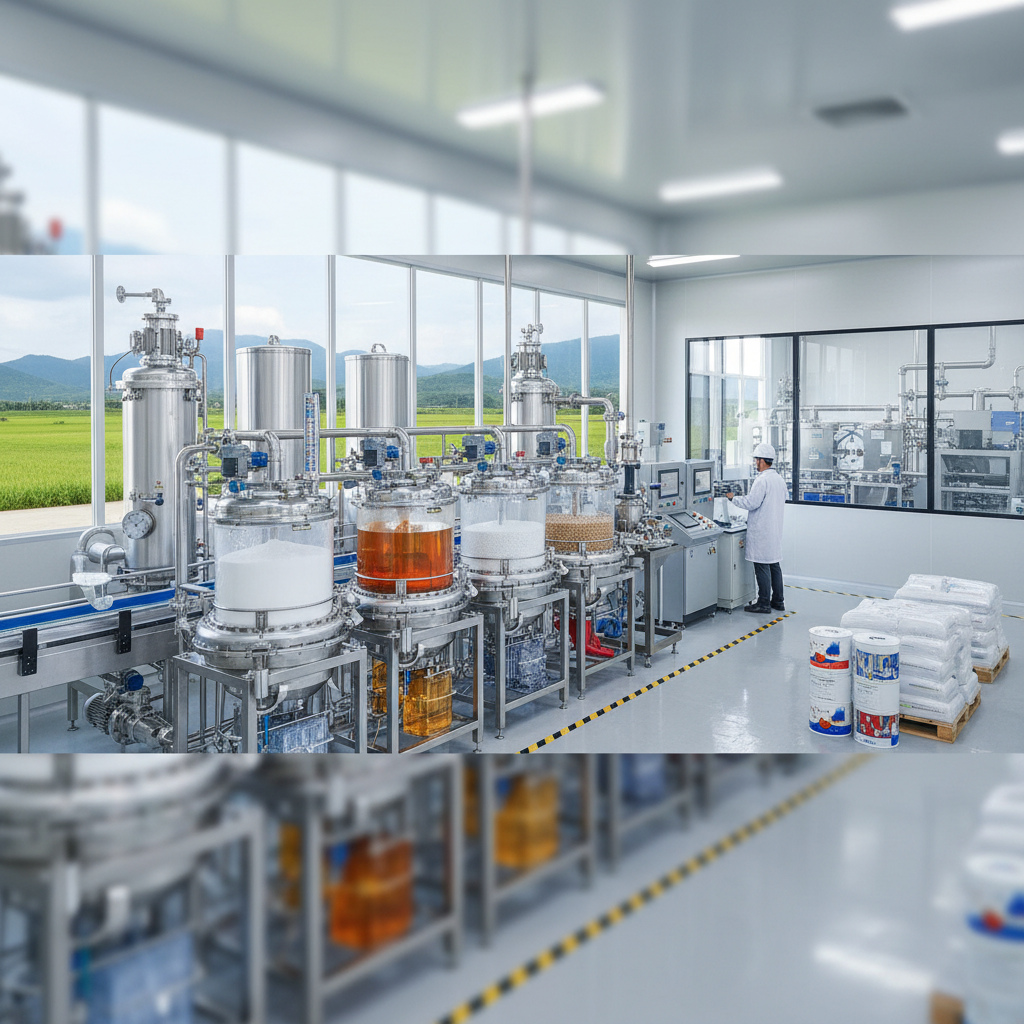
In the complex landscape of pharmaceutical and chemical manufacturing, APIs (Active Pharmaceutical Ingredients) and Intermediates are the foundational building blocks. These compounds are essential for creating a vast array of medications and chemical products. Understanding their roles, sourcing reliable suppliers, and navigating the regulatory hurdles are critical for success. This article provides a comprehensive overview of APIs and Intermediates, focusing on their significance, applications, sourcing considerations, and the role of companies like HBGX Chemical in providing high-quality materials. Choosing the right partner for your API and Intermediate needs can significantly impact product quality, cost-effectiveness, and time to market. Let's break down the difference. An API is the biologically active component of a drug product that produces the intended effects. Essentially, it's what makes the medicine work. Intermediates, on the other hand, are compounds formed during the synthesis of an API. They are not biologically active themselves, but are crucial stepping stones in the manufacturing process. Think of building a house - the APIs are the finished rooms, while the intermediates are the framing, plumbing, and electrical work that go into making those rooms possible. The quality of both APIs and Intermediates directly impacts the final drug product's safety, efficacy, and purity.
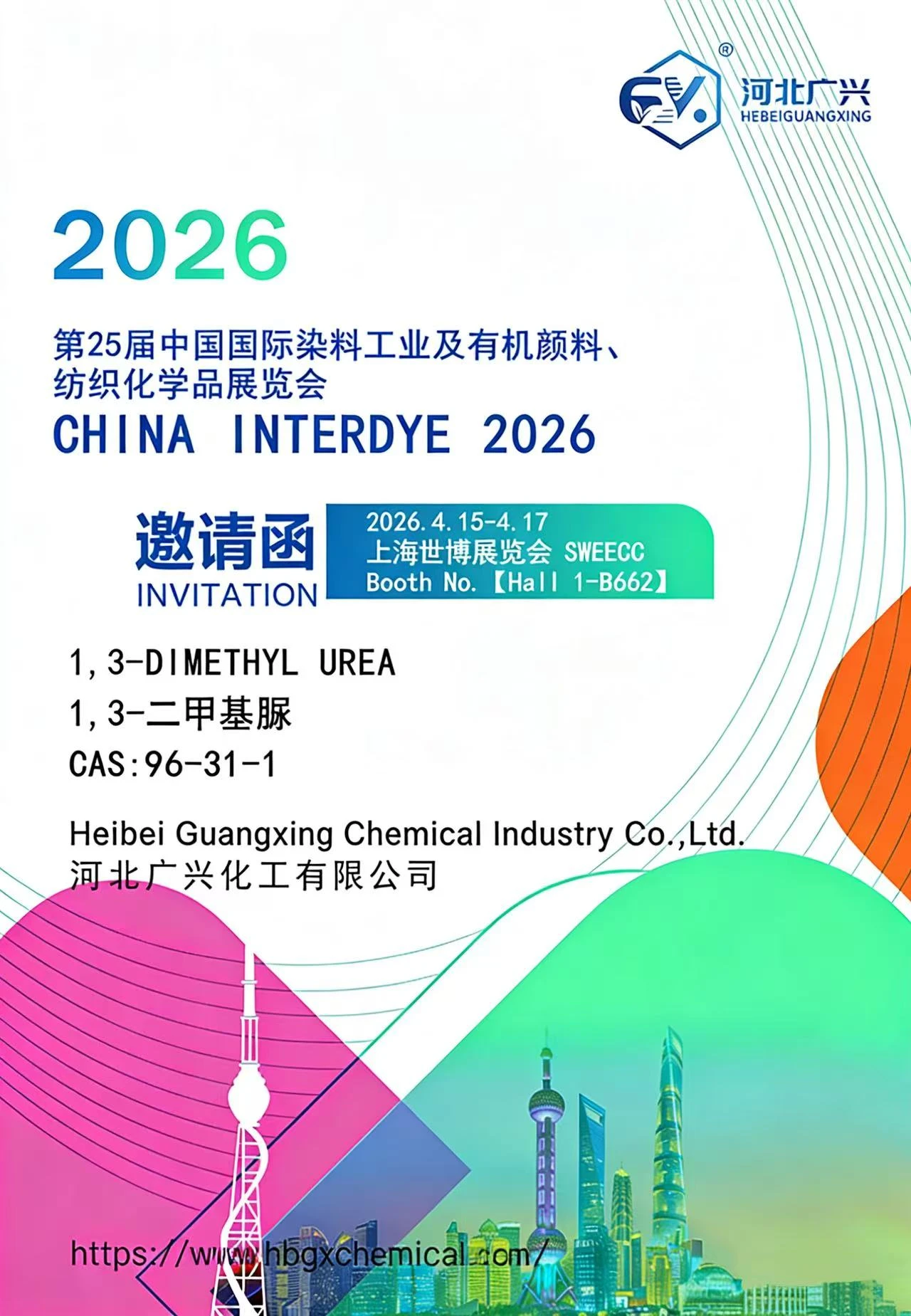
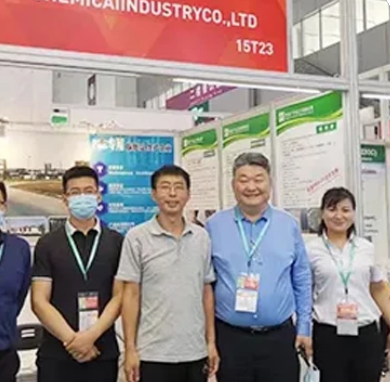
Hebei Guangxing Chemical Industry Co., Ltd. will participate in CHINA INTERDYE 2026 – the 25th China International Dye Industry, Organic Pigments & Textile Chemicals Exhibition. As one of the world’s leading events for the dye and textile chemicals industry, this exhibition gathers top enterprises, professional buyers, and industry experts from around the globe. It provides an exceptional platform to showcase technological capabilities, explore international cooperation, and engage with industry trends.
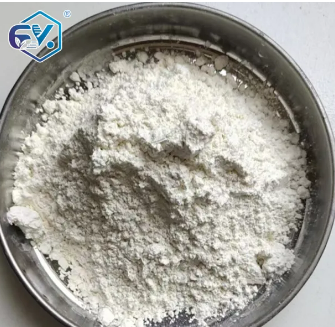
The process of uracil synthesis from urea has become an essential foundation for producing PVC heat stabilizers and other chemical products. High-efficiency uracil synthesis from urea allows manufacturers to achieve consistent yields while maintaining product purity and minimizing waste
In a wide range of industrial processes, from gas purification to water treatment, the efficiency of adsorption plays a critical role. Polar adsorbents, with their unique characteristics, are increasingly becoming the preferred choice for selectively removing polar molecules from gas and liquid streams. This article delves into the world of polar adsorbents, exploring their properties, applications, and the advantages they offer. We will examine how these materials contribute to enhanced process efficiency and sustainability. Learn more about our range of chemical products, including specialized adsorbents, at HBGX Chemical. Polar adsorbents are solid materials possessing a high degree of polarity, meaning they have an uneven distribution of electron density, creating positive and negative charges. This polarity allows them to strongly interact with polar molecules, such as water, alcohols, and certain organic compounds, through dipole-dipole interactions, hydrogen bonding, and other electrostatic forces. Common polar adsorbents include activated alumina, molecular sieves, and certain modified silica gels. The effectiveness of a polar adsorbent relies on its surface area, pore size distribution, and the strength of its polar functional groups.
Si está interesado en nuestros productos, puede optar por dejar su información aquí y nos pondremos en contacto con usted en breve.












 Spanish
  English
  Arabic
  Belarusian
  Bengali
  Bulgarian
  Finnish
  French
  German
  Hebrew
  Hindi
Hindi  Hungarian
  Indonesian
  Italian
  Japanese
  Korean
  Persian
  Portuguese
  Russian
  Turkish