Understanding the Pharmaceutical Intermediate Definition: A Global Perspective
Pharmaceutical intermediates might not be the buzzword at your next dinner party, but their role in medicine production is crucial — and frankly, fascinating. These compounds serve as essential building blocks in the development of active pharmaceutical ingredients (APIs), which then become the medicines we rely on. Understanding the pharmaceutical intermediate definition is more than a technical exercise; it’s a window into how complex, life-saving medicines come to be on a global scale.
Why does it matter globally? For starters, the pharmaceutical intermediate market is tightly linked to health outcomes worldwide. Especially in an era where pandemics and chronic illnesses demand fast, efficient drug development, knowing how intermediates fit into the puzzle can help policymakers, scientists, and pharmaceutical companies optimize supply chains and foster innovation. Plus, it’s directly connected to sustainability concerns and manufacturing quality that impact millions.
Global Industry Context & Challenges
Globally, pharmaceutical manufacturing supports an industry worth over $1.4 trillion (World Bank, 2023), with intermediates forming a substantial part of the supply chain cost and complexity. Countries like China, India, and the U.S. dominate the intermediate production landscape, commanding about 70% of the global market share combined (UNIDO, 2022). Yet, challenges persist: supply disruptions during crises like COVID-19 exposed how fragile the global pharmaceutical intermediate network is.
One big challenge? The need for scalable, high-purity intermediates that comply with stringent international regulations (like ISO and GMP standards). Delays or impurities in intermediates can cascade into huge costs and even risk patient safety. So having a clear pharmaceutical intermediate definition and understanding its scope isn’t just academic—it’s about global health security.
Defining Pharmaceutical Intermediate
So, what exactly is a pharmaceutical intermediate? Simply put, it’s a chemical compound produced during the steps before the final API is synthesized — kind of like the precursors or “halfway” products that are refined or modified further. These intermediates don’t have therapeutic effects on their own but are indispensable within the production process.
Pharmaceutical intermediates bridge the gap between raw chemicals and drugs, enabling complex molecules to be constructed systematically. Their production often requires precision chemistry and compliance with strict purity and safety standards because the quality of intermediates directly affects the end medicine’s efficacy and safety.
Key Components of Pharmaceutical Intermediates
Purity & Quality Control
Maintaining chemical purity is non-negotiable. Impurities can lead to ineffective or even harmful APIs. Quality control involves rigorous testing—chromatography, spectroscopy, and other analytical techniques—to confirm that each intermediate meets defined standards.
Scalability & Manufacturing Efficiency
Intermediates must be manufacturable at scale without losing quality or excessive cost. This often demands innovative process chemistry that balances yield and environmental impact.
Regulatory Compliance
Strict GMP guidelines regulate the production environment, documentation, and traceability. Regulatory agencies like the FDA and EMA demand transparency and accountability at every intermediate synthesis stage.
Supply Chain Stability
Reliable sourcing of raw materials and intermediates ensures medicine production continuity. Disruptions can cause shortages or delays — a problem we’ve seen during recent global events.
Typical Pharmaceutical Intermediate Product Specifications
| Specification |
Typical Range |
Notes |
| Purity (%) |
≥ 98.5 |
Verified by HPLC |
| Moisture Content (%) |
≤ 0.5 |
Determined by Karl Fischer Titration |
| Residual Solvents |
Below ICH Q3C limits |
Ensures safety and compliance |
| Appearance |
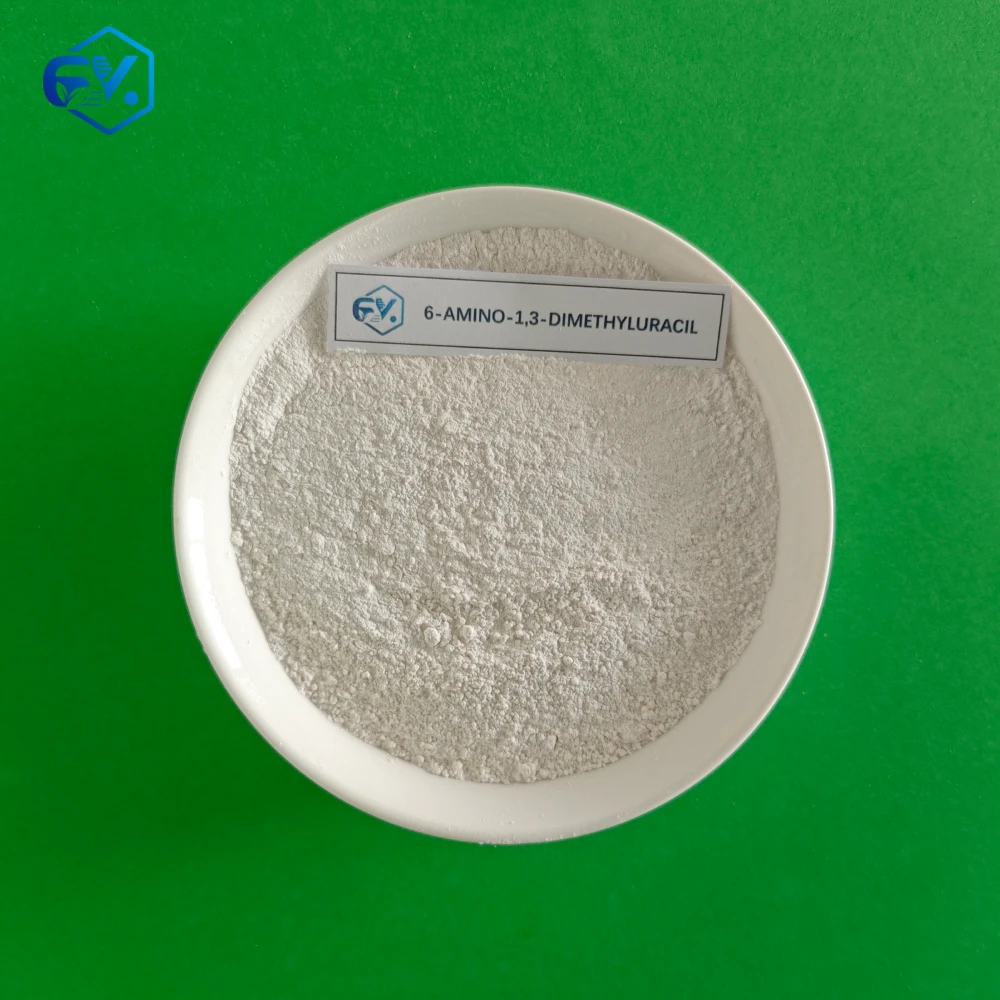
White to off-white powder |
Batch-dependent |
Global Applications & Use Cases
Pharmaceutical intermediates serve diverse markets from large-volume generics to highly specialized biotechnology drugs. For example:
- Emerging economies: India and China manufacture intermediates for affordable antibiotics, enabling wide access.
- Oncology: Specialized intermediates facilitate production of targeted cancer therapies.
- Vaccines & antiviral drugs: Rapid intermediate synthesis accelerated the COVID-19 vaccine development pipeline.
In humanitarian contexts, intermediates influence drug availability during outbreaks or post-disaster health emergencies, underscoring global interdependence.
Comparing Top Pharmaceutical Intermediate Vendors
| Vendor |
Product Range |
GMP Certification |
Global Reach |
Sustainability Initiatives |
| ABC Chemicals |
Broad small-molecule intermediates |
Yes (FDA, EMA) |
70+ countries |
Waste minimization & energy recovery |
| GlobalPharma |
Specialty & biotech intermediates |
Yes (ISO 9001, GMP) |
Distributed across Europe & Asia |
Green chemistry R&D focus |
| Horizon Chemicals |
API building blocks & custom syntheses |
GMP, FDA approved |
North America and emerging markets |
Carbon footprint reduction program |
Advantages & Long-Term Value of Understanding Pharmaceutical Intermediates
On the surface, intermediates might seem like a tedious middle step—but their value stretches far beyond production. Here’s why:
- Cost-efficiency: High-quality intermediates reduce overall drug production costs by minimizing waste and errors.
- Sustainability: Improving intermediate synthesis greenlights cleaner, less energy-intensive manufacturing routes.
- Reliability & safety: Trusted intermediates ensure drug consistency, delivering patient trust and compliance.
- Innovation: Tailored intermediates support development of cutting-edge therapies for unmet needs.
Frankly, the ripple effect of mastering intermediates is safety and dignity for patients worldwide — medicines that work as intended, manufactured responsibly.
Future Trends & Innovations in Pharmaceutical Intermediates
Looking ahead, a few trends are shaping how pharmaceutical intermediates evolve:
- Green Chemistry: Increased adoption of environmentally friendly reactions and solvents to lower ecological impact.
- Automation & AI: Digital tools streamlining synthesis processes and quality testing for faster, more precise production.
- Continuous Manufacturing: Transitioning from batch to continuous flow reactors to improve scalability and consistency.
- Policy & Regulation: Stricter global standards pushing manufacturers to tighten traceability and compliance.
Challenges & Solutions
Of course, reality isn’t without hurdles. Manufacturers often wrestle with:
- Raw material shortages: Market fluctuations and geopolitical tensions can disrupt supply.
- Quality variability: Small impurities can slip through without cutting-edge analytical tools.
- Cost pressures: Balancing innovation while keeping drug prices accessible is tricky.
Expert chemists suggest focusing on diversified supply chains and investing in R&D for robust analytical techniques and greener processes as effective responses. Oddly enough, partnerships between governments and private firms also play a critical role in stabilizing intermediate production.
FAQ: Frequently Asked Questions About Pharmaceutical Intermediate Definition
- What exactly is a pharmaceutical intermediate?
- A pharmaceutical intermediate is a chemical compound produced in the steps leading up to the active pharmaceutical ingredient (API). It is not itself a finished drug but a necessary building block in drug manufacturing.
- Why is the purity of pharmaceutical intermediates so important?
- Impurities in intermediates can impact the safety and effectiveness of the final medicine, so maintaining high purity standards is crucial to ensure patient safety and regulatory compliance.
- How do regulations impact pharmaceutical intermediate production?
- Regulatory bodies like the FDA and EMA require companies to follow GMP and strict documentation to ensure intermediates meet quality and safety standards throughout manufacture and supply.
- Are pharmaceutical intermediates relevant in biopharmaceuticals?
- Yes, although the intermediates differ chemically, they are just as important in biopharmaceutical manufacturing for constructing complex biologics.
- Can pharmaceutical intermediates affect drug costs?
- Definitely. Efficient and scalable intermediate production reduces raw material waste and manufacturing time, lowering overall drug production costs.
Conclusion
To wrap up, the pharmaceutical intermediate definition represents more than just a technical term; it frames a vital part of the pharmaceutical supply chain with real-world implications for health, economics, and innovation. Understanding its nuances helps stakeholders ensure medicines reach patients safely and sustainably. If you're curious or looking to deepen your knowledge, visit our website: https://www.hbgxchemical.com for further insights and resources.
Oddly enough, what feels like just “middle” chemicals are actually the linchpins holding together modern medicine’s promise.
References
- World Health Organization (WHO) - Pharmaceutical Manufacturing
- UNIDO - Global Pharmaceutical Industry Statistics 2022
- ISO Standards for Pharmaceutical Production












 English
  Arabic
  Belarusian
  Bengali
  Bulgarian
  Finnish
  French
  German
  Hebrew
  Hindi
Hindi  Hungarian
  Indonesian
  Italian
  Japanese
  Korean
  Persian
  Portuguese
  Russian
  Spanish
  Turkish