Understanding stabilizer PVC: What Every Industrial Equipment Pro Should Know
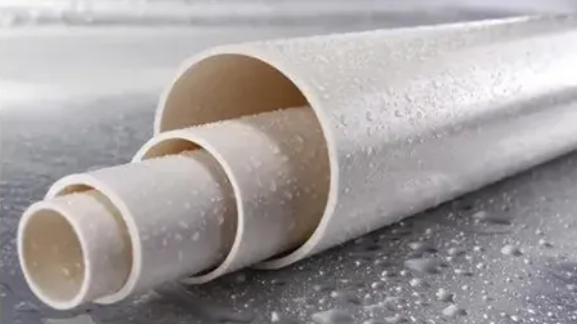
Having spent a good deal of time in the industrial equipment sector, I’ve come to appreciate how seemingly small components like stabilizer PVC really impact product longevity and performance. These additives might sound niche, but honestly, they’re pivotal when it comes to things like pipe durability, cable insulation, or automotive parts. Frankly, without the right stabilizer,PVC-based products can degrade under heat and UV stress – a total nightmare for manufacturers who want reliability.
Oddly enough, despite their importance, what goes into a good stabilizer PVC formulation can be quite nuanced. It’s not just about preventing degradation—there’s customization involved, tweaking formulations for specific industrial environments and regulations. Some customers I’ve worked with emphasize thermal stability; others need flexibility for extreme weather. I suppose that’s why you see so many different stabilizer types on the market. Let’s dive a little deeper.
What Exactly is Stabilizer PVC?
In simple terms, a stabilizer for PVC is a chemical additive designed to enhance the polymer’s heat and light resistance. When PVC compounds are processed—heated, extruded, molded—the polymer chains are vulnerable to breaking down. Stabilizers slow or prevent this, maintaining physical integrity and color. You might think of them as the unsung heroes of PVC’s shelf life.
| Specification |
Typical Range |
Remarks |
| Appearance |
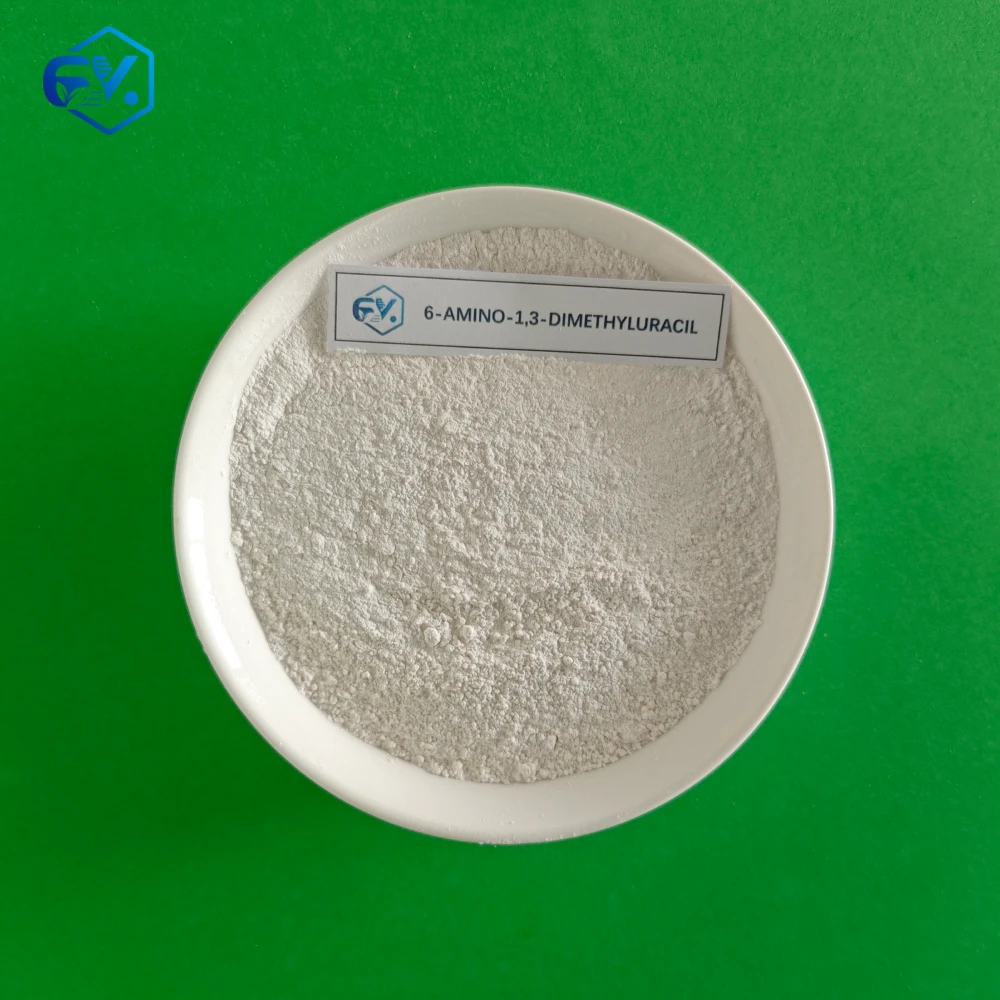
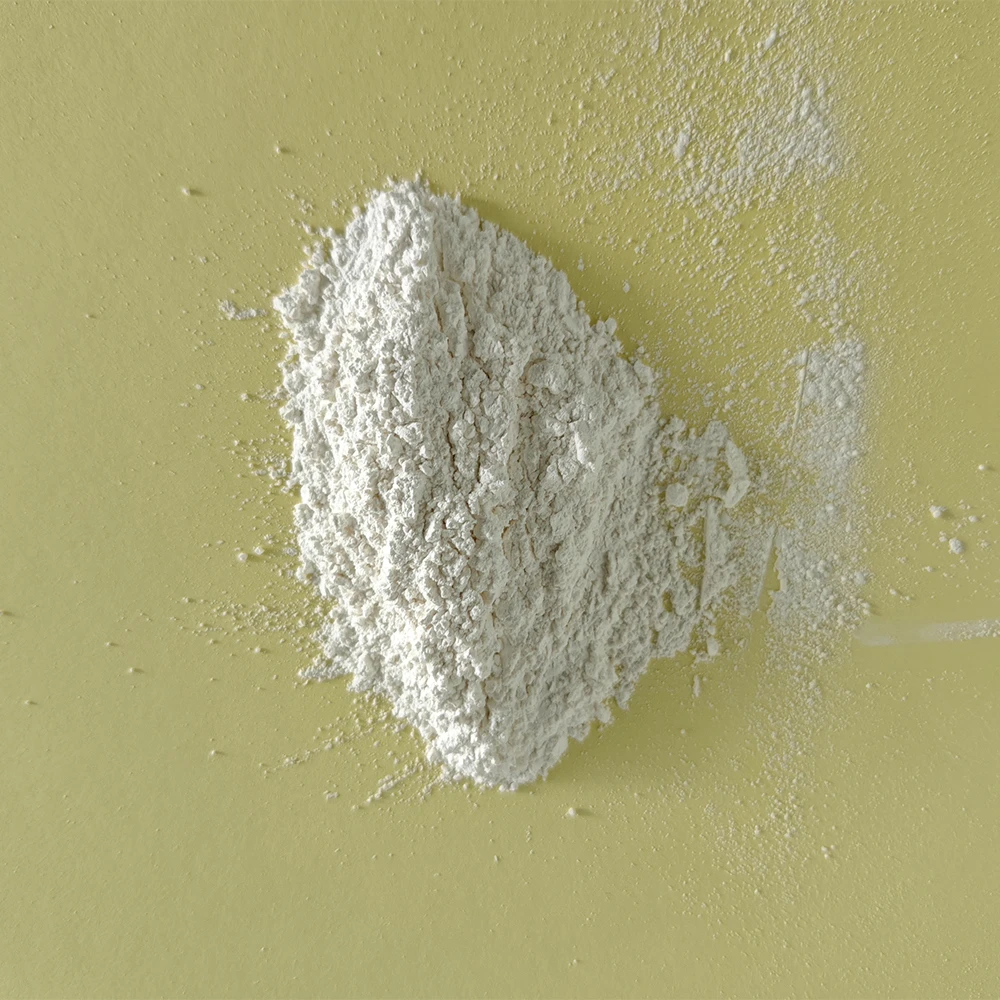
White to pale yellow powder |
Consistent quality for easy blending |
| Melting Point |
150–190°C |
Stable under processing temps |
| Stabilizing Efficiency |
High (>95%) |
Ensures long-term polymer integrity |
| Compatibility |
PVC compounds (flexible and rigid) |
Broad applicability |
One of the notable things I’ve observed is how environmental regulations increasingly shape these products. Heavy metals, once common in stabilizers, are now tightly controlled or phased out in many regions, which means suppliers have to innovate with safer yet equally effective solutions.
Comparing Some Notable Stabilizer Suppliers
When shopping around, a bunch of factors come into play: quality consistency, price, regulatory compliance, and customer support. Here's a quick rundown — just so you have some context before committing.
| Supplier |
Region |
Key Benefit |
Typical Applications |
Price Class |
| HBGX Chemical |
Asia |
High thermal stability, low heavy metals |
Pipes, cables, film |
Competitive |
| BASF |
Global |
Proprietary calcium-zinc tech |
Automotive, construction |
Premium |
| Zhejiang Fenghong |
Asia |
Eco-friendly, meets RoHS |
Cable insulation, profiles |
Medium |
I remember a project a few years back where the client insisted on switching stabilizers to meet new environmental standards. We tried several before landing on something remarkably stable and compliant from HBGX Chemical. The real test was in the field, under harsh outdoor exposure—and their product didn’t disappoint. It’s those kinds of results that make you sit up and notice.
Of course, not every batch or supplier is flawless, so proper vetting and testing remain key steps. Also, whatever you pick, remember formulation compatibility is paramount. Mixing incompatible stabilizers can cause more harm than good—something many engineers know too well.
Final Thoughts on Stabilizer PVC in Industrial Applications
In real terms, choosing the right stabilizer PVC additive isn’t just about ticking a box. It’s a blend of understanding the end-use, regulatory landscape, and supplier trustworthiness. It feels kind of like art and science combined — a small additive making a huge difference in industrial product lifecycle and safety.
If you’re sourcing stabilizers for your operations, I’d suggest keeping a close eye on both technical specs and customer feedback. After all, it’s the long haul performance that really counts.
Want to learn more or contact a reputable supplier? You might want to start with HBGX Chemical — their portfolio really stands out for balance and quality in this space.
Thanks for reading – hope this gives you a clearer picture next time you deal with PVC stabilizers on the factory floor or design room.
References
- Industry reports on PVC additives and environmental regulations.
- Technical datasheets from major chemical suppliers for PVC stabilizers.
- Field case studies from industrial equipment manufacturers.












 English
  Arabic
  Belarusian
  Bengali
  Bulgarian
  Finnish
  French
  German
  Hebrew
  Hindi
Hindi  Hungarian
  Indonesian
  Italian
  Japanese
  Korean
  Persian
  Portuguese
  Russian
  Spanish
  Turkish