









Feb . 01, 2026
In the competitive landscape of advanced polymer additives and fine chemical intermediates, securing a reliable source for high-purity 6 amino 1 3 dimethyluracil is more than a procurement task—it’s a strategic decision impacting product quality, regulatory compliance, and supply chain stability. This compound, alongside its analog 4 amino 1 3 dimethyluracil, forms the cornerstone of next-generation, high-performance green stabilizer systems. This guide provides a comprehensive blueprint for sourcing, detailing why purity matters, how to evaluate suppliers, and the tangible benefits for your formulations.
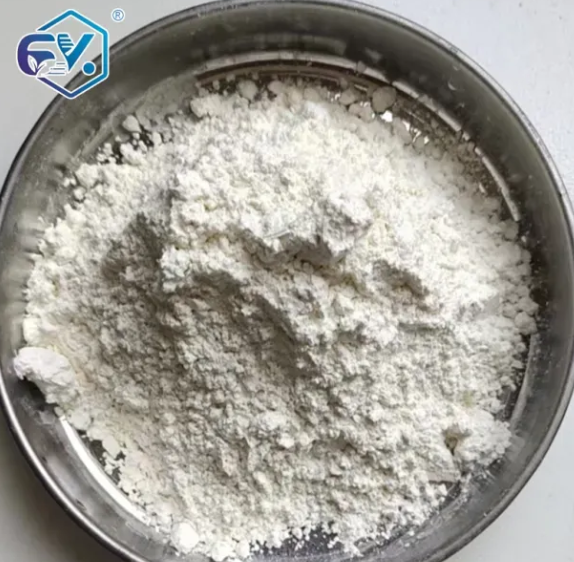
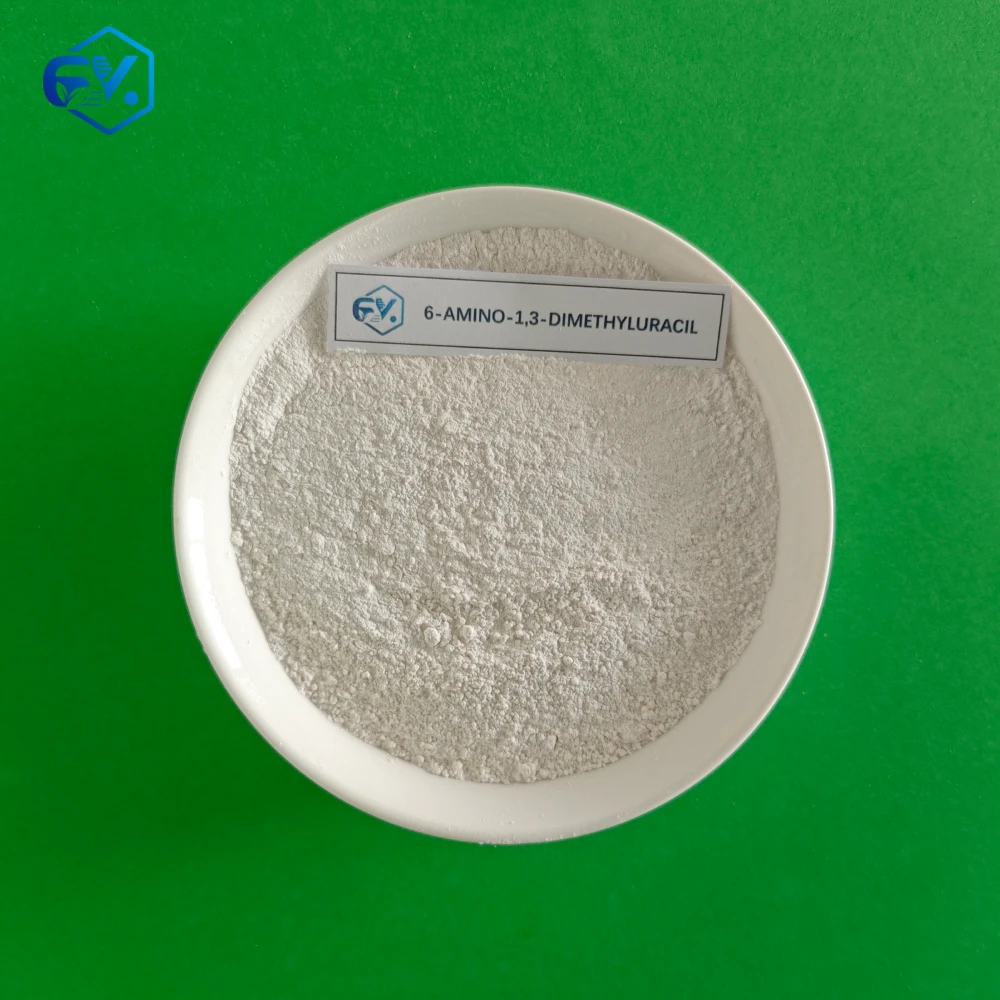
The shift towards sustainable manufacturing has made green stabilizer technologies non-negotiable. These systems, designed to replace traditional heavy-metal-based stabilizers like lead and cadmium, require highly efficient, non-toxic components. This is where 6 amino 1 3 dimethyluracil excels. Its molecular structure acts as a powerful synergistic co-stabilizer, particularly in calcium-zinc formulations. It functions by scavenging hydrochloric acid (HCl) released during PVC processing, a primary cause of thermal degradation and discoloration. The effectiveness of the entire green stabilizer package is profoundly dependent on the purity and consistent performance of this key ingredient. Impurities can act as pro-degradants, neutralize other stabilizer components, or cause undesired color development, undermining the green stabilizer's core promise of safety and performance. Therefore, sourcing high-purity 6 amino 1 3 dimethyluracil is the first and most critical step in formulating a reliable, high-performance green stabilizer.
To source effectively, one must understand the specific compound required. While 6 amino 1 3 dimethyluracil and 4 amino 1 3 dimethyluracil are structurally similar uracil derivatives, their applications and performance profiles differ significantly, influencing which is optimal for your green stabilizer system.
A supplier with deep expertise, like Hebei Guangxing Chemical Co., Ltd., understands these nuances. As the largest specialized uracil producer in its region, with a dedicated annual capacity of 6000 tons for 6-amino-1,3-dimethyluracil, their focus ensures not just volume but also the precise chemical identity required. Their recognition as a national high-tech and "Specialized, Refined, Unique and New" enterprise underscores a commitment to the precise chemistry that distinguishes these critical compounds.
Sourcing high-purity 6 amino 1 3 dimethyluracil transcends basic chemical procurement. It is an investment in your product's integrity, your brand's reputation, and your operational efficiency. Here’s what to prioritize:
In a green stabilizer system, every component must perform flawlessly to achieve the performance parity with traditional stabilizers. High-purity 6 amino 1 3 dimethyluracil ensures predictable and efficient HCl scavenging. Impurities can cause premature reactions, reduce the effectiveness of other stabilizers like calcium-zinc soaps, lead to plate-out on processing equipment, or cause yellowing—directly contradicting the green stabilizer's goals of safety, performance, and aesthetics.
Verification of 6 amino 1 3 dimethyluracil quality is a multi-layered process essential for ensuring the efficacy of your final green stabilizer formulation. It begins with a rigorous review of the supplier’s Certificate of Analysis (CoA), which must detail critical parameters: purity percentage (typically ≥98.5%), moisture content, ash residue, and a complete impurity profile specifying limits for related substances like 4 amino 1 3 dimethyluracil and other process by-products. This documentation must be underpinned by the supplier's institutional quality credentials, such as ISO 9001 certification, which validates their management system's consistency. For the highest assurance, implement incoming quality control (IQC) protocols; techniques like High-Performance Liquid Chromatography (HPLC) are definitive for purity verification, while melting point determination confirms compound identity and crystalline integrity. Furthermore, partnering with an EU REACH-registered manufacturer adds a crucial regulatory layer, providing legally assured verification of the substance's identity, safe use, and compliance, thereby de-risking your supply chain for the green stabilizer system. A holistic approach combining documentation, independent testing, and regulatory partnership is the most reliable strategy.
While 4 amino 1 3 dimethyluracil may have different primary applications, a reliable supplier is defined by the same core principles: transparent specifications, robust quality management systems (ISO), and technical expertise in uracil chemistry. The supplier should clearly understand your application—whether for a specialty green stabilizer blend or another use—and provide consistent, well-documented material that meets agreed-upon analytical standards.
Advanced manufacturers with strong R&D capabilities, such as those with university partnerships and "high-tech enterprise" status, often offer technical collaboration. While the core molecule is standard, they can work with you to optimize physical properties (like particle size distribution for better dispersion) or develop tailored blends that integrate seamlessly into your specific green stabilizer masterbatch or one-pack system, enhancing overall performance.
Absolutely. Your finished green stabilizer compound must comply with regulations like RoHS, REACH, and FDA guidelines for intended use. Sourcing 6 amino 1 3 dimethyluracil from a supplier whose product is REACH-registered and manufactured in a RoHS-compliant facility (as stated in the company profile) directly transfers that compliance foundation to your supply chain. It simplifies your regulatory documentation and due diligence, providing a clear audit trail from raw material to final product.
In conclusion, securing a reliable source of high-purity 6 amino 1 3 dimethyluracil is the definitive step toward formulating high-performance, compliant, and sustainable green stabilizer systems. By partnering with a certified, technically advanced manufacturer, you ensure not just a supply of a chemical, but a foundation for product excellence, market trust, and environmental leadership. Choose your partner wisely to build the future of sustainable polymers.
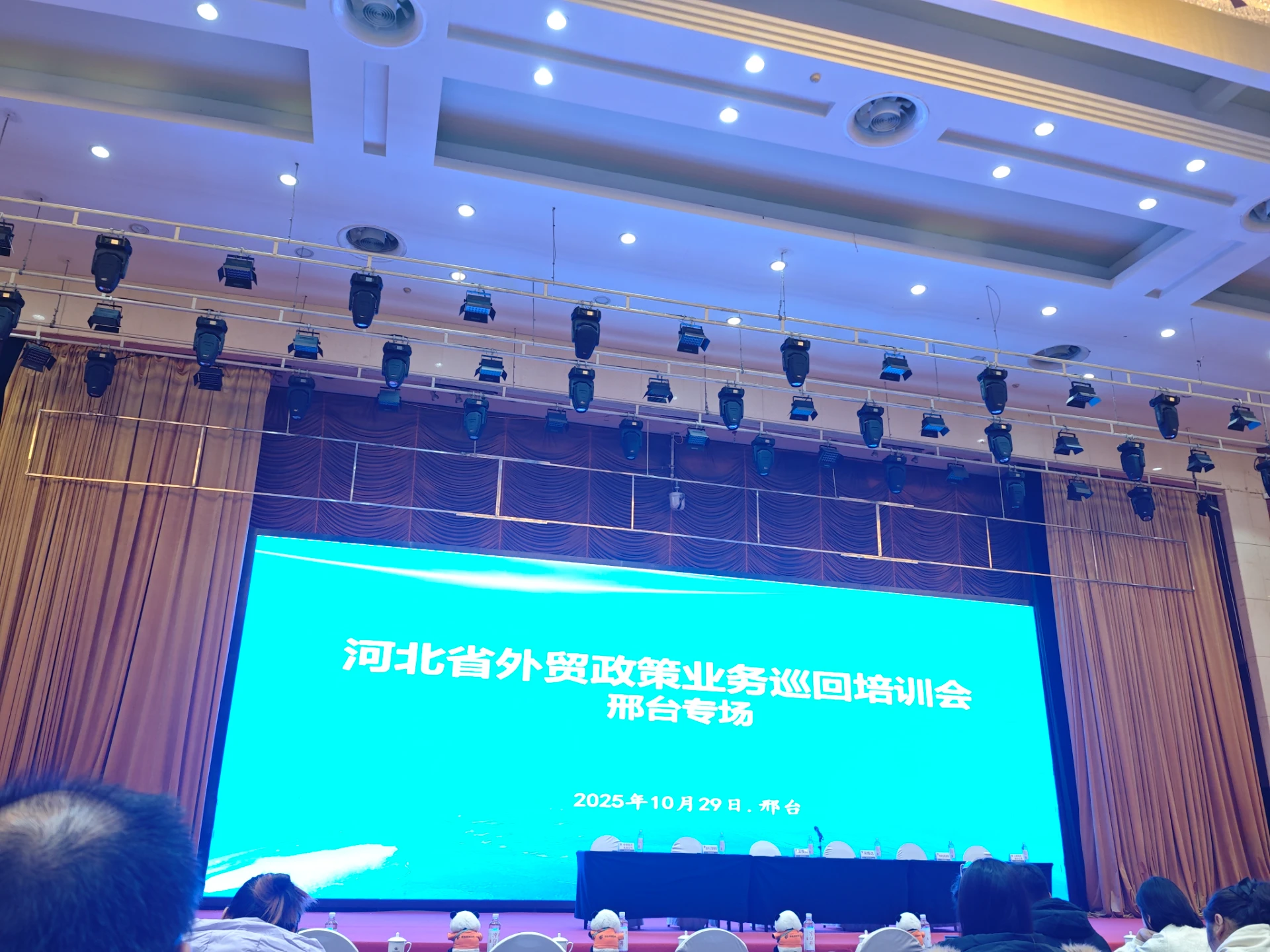
Hebei Guangxing Chemical attended the 2025 Xingtai Hebei Foreign Trade Policy Tour.


 English
  Arabic
  Belarusian
  Bengali
  Bulgarian
  Finnish
  French
  German
  Hebrew
  Hindi
Hindi  Hungarian
  Indonesian
  Italian
  Japanese
  Korean
  Persian
  Portuguese
  Russian
  Spanish
  Turkish