Understanding Pure Chemicals: Why They Matter in a Global Context
Pure chemicals—the phrase might sound straightforward, but it carries weighty importance across countless industries worldwide. From pharmaceuticals to electronics, agriculture to water treatment, the quality and purity of chemicals often spell the difference between success and failure, safety and hazard. Globally, as economies grow and technologies advance, the demand for truly pure chemicals escalates, making it critical to understand what "pure" means, where it applies, and why it matters now more than ever.
Frankly, the world depends on purity at microscopic levels. Even tiny impurities can throw off delicate manufacturing processes or introduce dangerous variables into pharmaceuticals. So grasping the essence of pure chemicals helps industries innovate safely and sustainably. Plus, in humanitarian efforts like water purification or disease control, the availability of dependable pure chemicals is often a lifeline.
Mini takeaway: Pure chemicals are foundational to modern life’s complex systems, enabling everything from innovation and health to environmental stewardship on a massive scale.
The Global Landscape of Pure Chemicals
The global market for pure chemicals is enormous and growing. According to the International Organization for Standardization (ISO), stringent purity standards correspond to safer, more efficient industrial applications. Meanwhile, the World Bank estimates that chemical production and trade contribute significantly to the manufacturing GDP in emerging markets, highlighting the pivotal role of quality control.
Yet, challenges remain. Worldwide supply disruptions, quality inconsistencies, and regulatory gaps create risks, particularly for less-developed regions lacking robust testing infrastructure. This makes sourcing reliably pure chemicals a strategic issue globally. So, industry professionals and humanitarian agencies alike have a vested interest in better understanding and accessing pure chemical supplies.
Mini takeaway: While demand surges, worldwide challenges surrounding quality assurance and supply stability remind us that purity is not just a technical detail — it’s a critical global concern.
What Exactly Are Pure Chemicals?
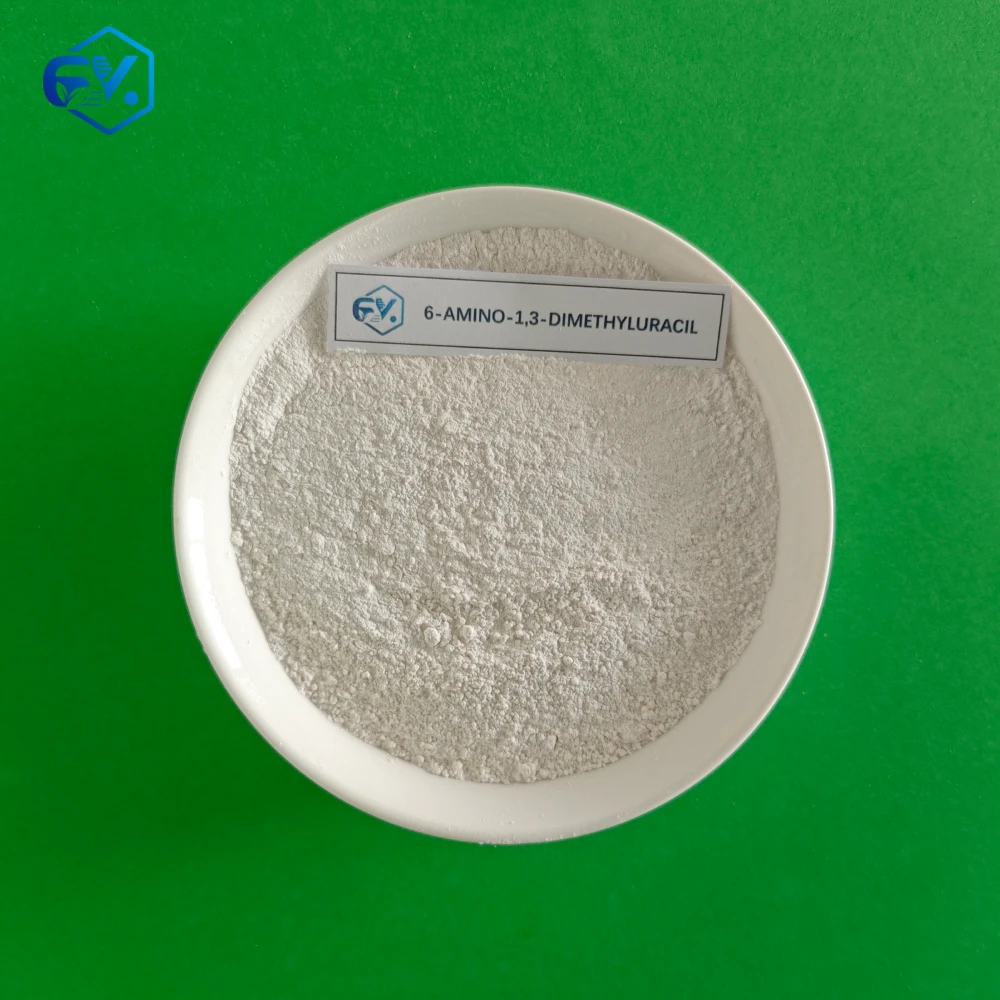
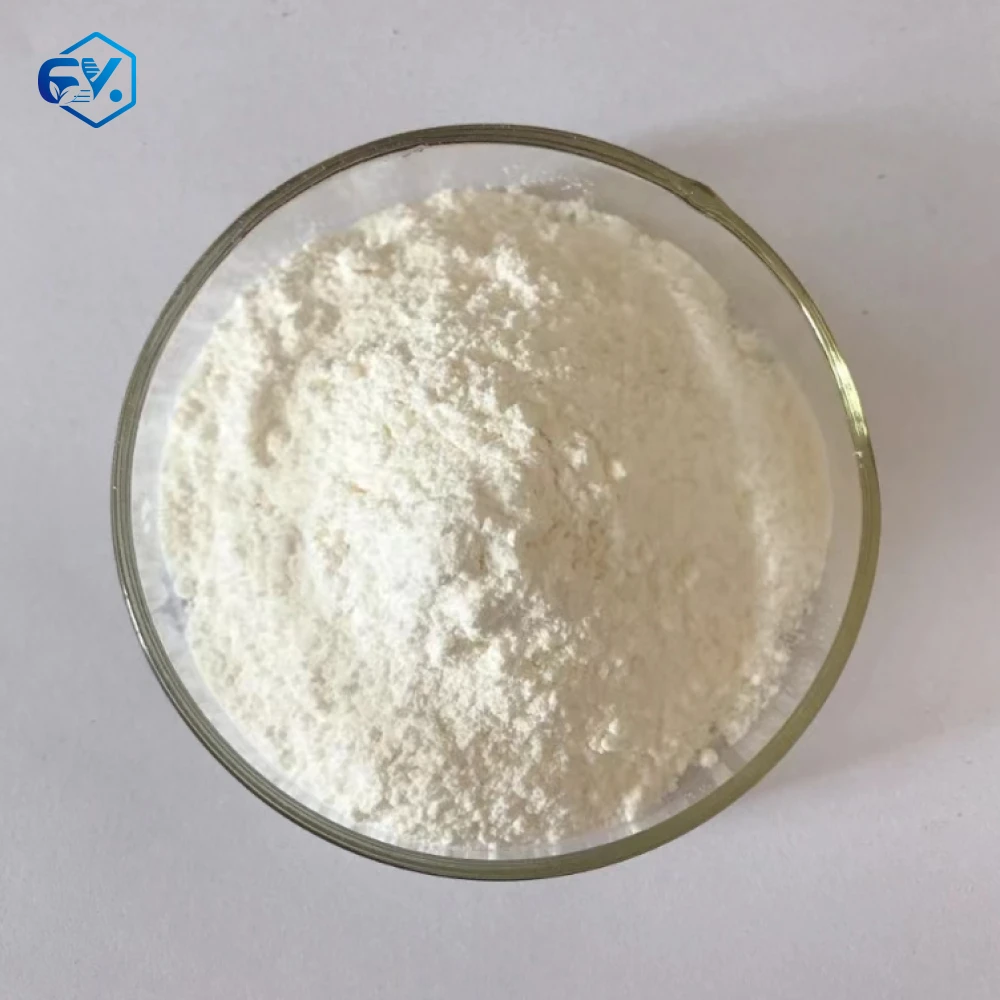
Simply put, pure chemicals are substances that contain a single species of molecule or atom with minimal contaminants — often defined quantitatively by a purity percentage, generally above 99%. For example, pure sodium chloride (table salt) used in pharmaceutical-grade applications differs vastly from ordinary salt due to purity and absence of trace metals or other impurities.
This connection to industry is quite direct. Pure chemicals form the building blocks for everything from synthetics and medicines to batteries and fertilizers. Their reliability underpins product consistency and safety — which is no small thing when you’re manufacturing drugs or aerospace components.
pure chemicals are also vital in humanitarian contexts such as water purification or vaccine production, where impurities might cause infections or treatment failures. So purity is not just a technical measure—it’s about trust, safety, and performance.
Mini takeaway: Pure chemicals are basically ultra-clean substances with very specific standards — crucial for both high-tech industry and critical health applications.
Core Components that Define Pure Chemicals
1. Purity Level
As the foundation, the purity percentage (usually above 99%) reflects how free the chemical is from contaminants. This metric informs suitability for different uses — the higher, the more demanding the application.
2. Stability
Purity isn't just about initial quality but maintaining integrity over time. Chemicals must resist degradation or contamination during storage and shipment.
3. Traceability
Knowing the origin, production methods, and batch history helps guarantee consistent quality. Transparency here is vital for regulations and trust.
4. Packaging and Handling
Appropriate containment protects the chemical from environmental contamination. Dry powders need moisture-proof packaging, while gases demand secure pressurized containers.
5. Certification and Compliance
Meeting ISO, USP (United States Pharmacopeia), or other standards certifies the chemical meets rigorous benchmarks essential for critical fields.
6. Application Specificity
Purity requirements differ by industry — pharma-grade pure chemicals demand ultra-high purity, while some industrial uses tolerate more impurities.
Mini takeaway: Understanding these key factors helps ensure that pure chemicals meet the diverse and exacting demands of modern applications.
Where Pure Chemicals Make the Difference: Global Applications
The reach of pure chemicals is vast and fascinating. Consider:
- Pharmaceuticals: Active ingredients rely on pure chemicals to ensure drug safety and efficacy worldwide, from hospitals in Europe to rural clinics in Africa.
- Electronics Manufacturing: Semiconductor fabrication demands ultrapure chemicals free of even parts-per-billion contaminants for flawless microchips.
- Water Treatment & Environmental Protection: Pure chlorine compounds sanitize potable water supplies, especially in disaster-hit zones.
- Agriculture: Fertilizers and pesticides use chemically pure ingredients to maximize crop yields sustainably.
- Research & Development: Labs need high-purity reagents for accurate experiments advancing knowledge across fields.
For example, international relief organizations distributing water purification packets in hurricane zones depend entirely on the quality of pure chemicals to prevent disease outbreaks.
Mini takeaway: From industrial hubs to humanitarian efforts, pure chemicals underpin critical processes globally—sometimes literally saving lives.
Advantages and Long-Term Value of Pure Chemicals
There’s a lot to appreciate beyond just “it’s clean.” Some advantages include:
- Cost Efficiency: While pure chemicals may cost more upfront, they reduce waste, defects, and recalls — saving money over time.
- Sustainability: Cleaner processes mean less hazardous waste and safer disposal, aligning with environmental goals.
- Reliability: Confidence in ingredient consistency improves product quality and trust among consumers and regulators.
- Social Impact: In healthcare and humanitarian aid, purity directly affects safety, dignity, and outcomes.
- Innovation Support: Advanced technologies rely on substances you can trust not to introduce unknown variables.
On a human level, there’s a peace of mind factor. When you know the chemicals in water purifiers or vaccines are pure, it builds trust in systems that often feel fragile.
Mini takeaway: The benefits of pure chemicals compound over time — economically, environmentally, socially, and technically.
Emerging Trends & Innovations in Pure Chemicals
Pure chemicals are evolving along with technology and policy momentum:
- Green Chemistry: Using safer, sustainable raw materials and manufacturing methods to reduce environmental footprints.
- Digital Quality Control: Automation and AI-driven analytics improve purity testing precision and speed.
- Modular & On-Demand Production: Smaller, decentralized plants producing chemicals closer to end-users — cutting risks and transport costs.
- Bio-based Alternatives: Pure chemicals derived from renewable biological sources reduce reliance on fossil fuels.
These trends hint at a future where purity isn’t sacrificed for scale or speed — in fact, they could boost both.
Mini takeaway: Innovations are making pure chemicals more sustainable, accessible, and smarter — keeping up with tomorrow’s needs.
Challenges Facing Pure Chemicals and How They’re Addressed
Of course, it’s not all smooth sailing:
- Supply Chain Vulnerabilities: Geopolitical issues and raw material shortages can disrupt access to high-purity goods.
- Cost Barriers: High-grade chemicals can be expensive, limiting accessibility in developing markets.
- Testing Limitations: Not all regions have access to advanced labs for thorough purity verification.
Solutions include investing in local manufacturing capabilities, advanced portable testing kits, and international quality assurance collaborations. Many companies also partner with NGOs and governments to improve supply chain transparency and affordability.
Mini takeaway: Challenges exist but aren’t insurmountable; innovation and cooperation pave the way.
Frequently Asked Questions About Pure Chemicals
- Q: How do I verify the purity of a chemical before purchase?
A: Request Certificates of Analysis (CoA) from suppliers, specifying standard compliance (e.g., ISO or USP). Independent third-party lab testing can further confirm purity.
- Q: Are pure chemicals always more expensive?
A: They generally cost more upfront due to rigorous manufacturing and testing but often reduce costs long-term through improved performance and fewer defects.
- Q: Can pure chemicals be sourced internationally without quality loss?
A: Yes, with proper packaging, cold-chain logistics (if needed), and certification adherence. Establishing trusted partnerships is crucial.
- Q: What industries demand the highest purity levels?
A: Pharmaceuticals, microelectronics, and aerospace usually require ultra-high purity chemicals, sometimes exceeding 99.999%.
- Q: How do pure chemicals contribute to sustainability?
A: By reducing waste, enabling cleaner processes, and supporting green chemistry initiatives, pure chemicals help lower environmental impact.
Comparing Leading Suppliers of Pure Chemicals
| Supplier |
Purity Range |
Certifications |
Specialties |
Global Reach |
| HBGX Chemicals |
99.9% - 99.999% |
ISO 9001, USP |
Pharma grade, environmental |
Asia, Europe, Americas |
| Acme Purity Corp. |
99.5% - 99.99% |
ISO 14001 |
Industrial chemicals |
Global |
| PureLab Solutions |
99.9% - 99.9999% |
USP, REACH |
Electronics, R&D reagents |
Europe, North America |
Pure Chemical Product Specifications
| Property |
Specification |
Typical Value |
| Purity |
≥ 99.9% |
99.95% |
| Moisture Content |
≤ 0.1% |
0.07% |
| Heavy Metals (ppm) |
≤ 10 |
5 |
| pH (1% Solution) |
6.5 - 7.5 |
7.0 |
| Appearance |
White powder or crystalline |
Consistent |
Closing Thoughts
Pure chemicals may sound like a niche technical topic, but in reality, they’re woven deeply into the fabric of contemporary life. Whether improving medical treatments, advancing technology, or supporting humanitarian crises, understanding the nuances of chemical purity offers lasting benefits — not only for industry insiders but for society as a whole.
If you’re curious about sourcing or learning more, feel free to explore pure chemicals through trusted suppliers who combine rigor, transparency, and global reach.
After all, in a world that grows more complex every day, sometimes the cleanest building blocks make all the difference.
References
- ISO Standards on Chemical Purity
- World Bank Data on Manufacturing and Trade
- Wikipedia: Chemical Purity Overview












 English
  Arabic
  Belarusian
  Bengali
  Bulgarian
  Finnish
  French
  German
  Hebrew
  Hindi
Hindi  Hungarian
  Indonesian
  Italian
  Japanese
  Korean
  Persian
  Portuguese
  Russian
  Spanish
  Turkish