









Dec . 12, 2025
In the intricate landscape of industrial chemical supply, the quest for foundational intermediates that offer both versatility and reliability is never-ending. For procurement managers and formulation scientists, the choice of a core building block can define the scope of innovation, impact production efficiency, and ultimately influence market success. Amidst a vast array of options, one molecular scaffold has consistently demonstrated unparalleled utility across diverse sectors, from high-performance polymer stabilization to sophisticated pharmaceutical development. This compound, distinguished by its specific reactive sites and consistent performance, is a critical asset for any forward-thinking manufacturing operation. As a principal manufacturer, Hebei Guangxing Chemical is dedicated to the large-scale production of high-purity 6 amino uracil, ensuring a robust supply chain for our global partners. This article will explore the defining characteristics, multifaceted applications, and the rigorous manufacturing standards that make this specific aminouracil derivative an indispensable component in modern industrial chemistry, providing a detailed overview for bulk buyers seeking a competitive edge through superior chemical sourcing.
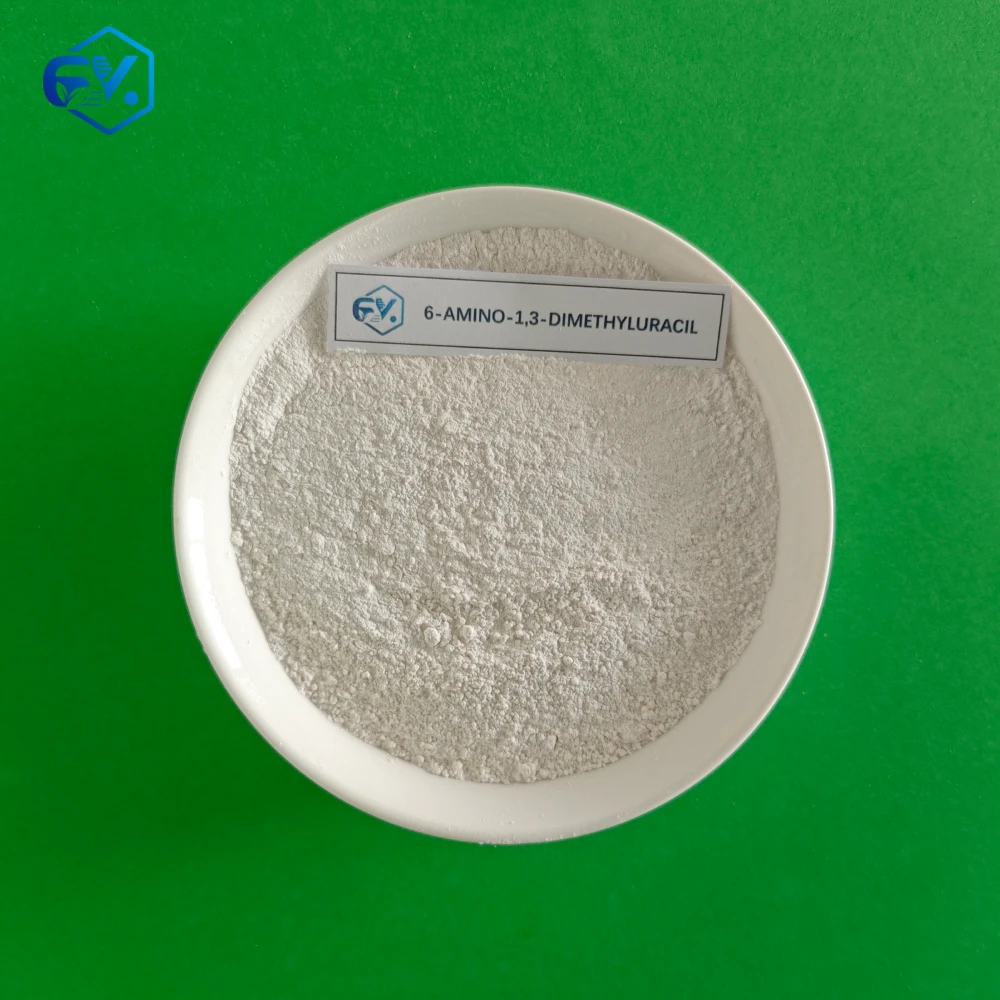
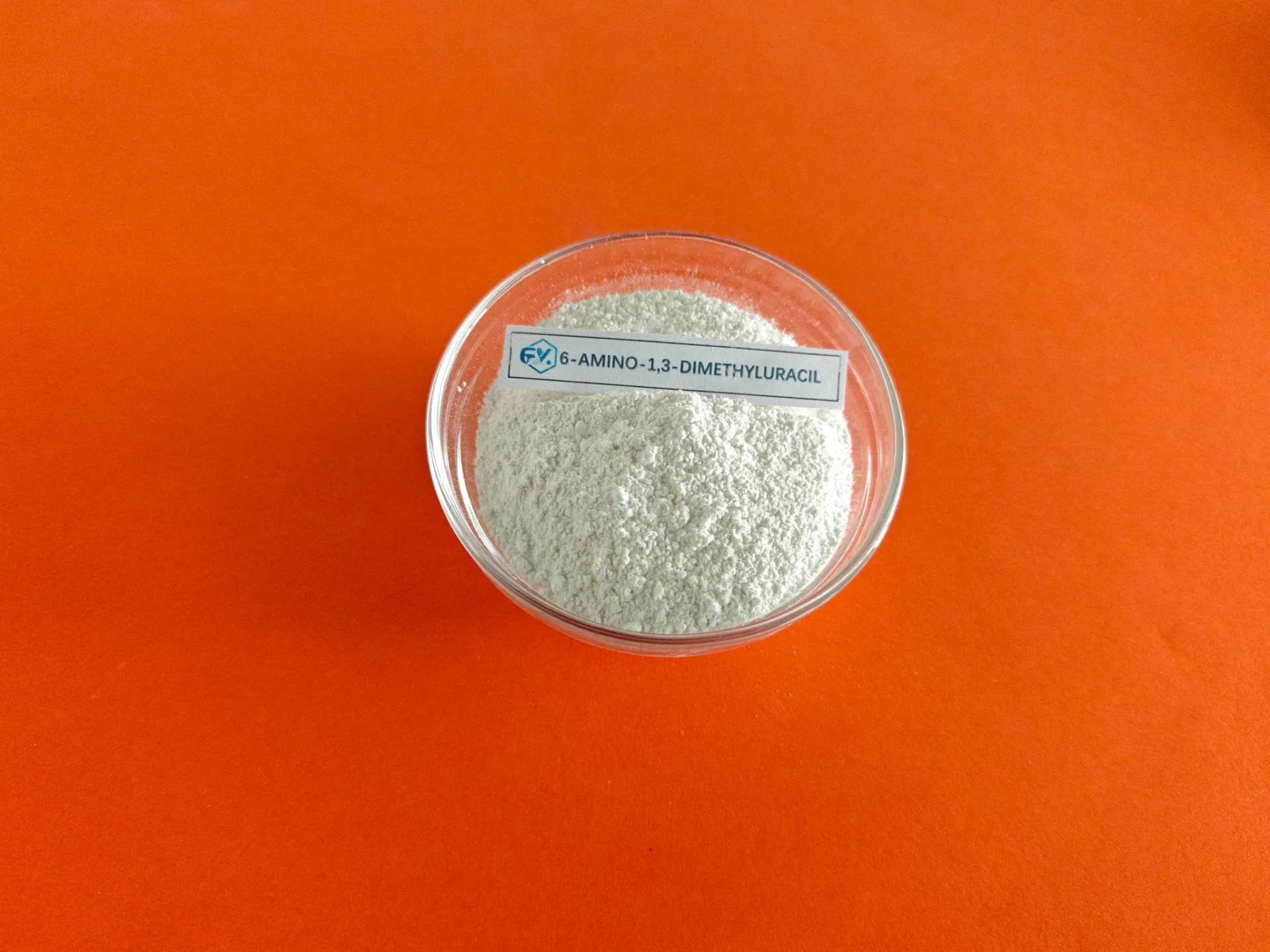
The significant value of any chemical intermediate is rooted in its intrinsic physical and chemical properties, which dictate its behavior in synthesis and formulation. Our flagship product, 6 amino uracil , known systematically as 6-amino-1,3-dimethyluracil (CAS 6642-31-5), is characterized by a high degree of molecular purity and stability. Presented as an off-white to light yellow crystalline powder, it boasts a chromatographic purity of ≥99.0%, a critical specification for reactions requiring precise stoichiometry and minimal side-product formation. The compound has a molecular weight of 155.15 and decomposes at approximately 295°C, indicating good thermal stability for many industrial processes. Its chemical behavior is marked by the reactivity of the enamine unit within its heterocyclic structure, which is prone to specific decomposition reactions if not handled under appropriate conditions, typically requiring an inert atmosphere for long-term storage to preserve its integrity. The amino group exhibits distinct nucleophilicity, enabling it to participate in condensation reactions with various aldehydes to form imine derivatives, a key reaction pathway that opens doors to a vast library of more complex molecules. This combination of high purity and defined reactivity makes 6 amino uracil a predictable and powerful reagent for sophisticated chemical synthesis.
The true measure of a chemical's importance is its breadth of application, and the aminouracil family demonstrates remarkable versatility across several high-value industrial sectors. While the terms 4 amino uracil and 6 amino uracil are often used in specific contexts, the core uracil structure is the engine of this utility. In the polymer industry, this compound is indispensable in formulating modern calcium-zinc stabilizers for PVC. It functions by complexing with metal ions, preventing undesirable interactions that lead to discoloration and degradation during thermal processing. This mechanism significantly enhances the initial color and long-term stability of PVC products, making it essential for manufacturing wires, cables, and building materials that require durability and weatherability. Beyond plastics, the role of 6 amino uracil in pharmaceutical production is profound. It serves as a key intermediate in synthesizing active pharmaceutical ingredients (APIs), where its stable yet reactive nature allows medicinal chemists to construct complex molecular architectures for a range of therapeutics. Furthermore, the chemical industry leverages it as a raw material for synthesizing dyes, specialty polymers, and other fine chemicals, underscoring its status as a cornerstone of modern industrial chemistry.
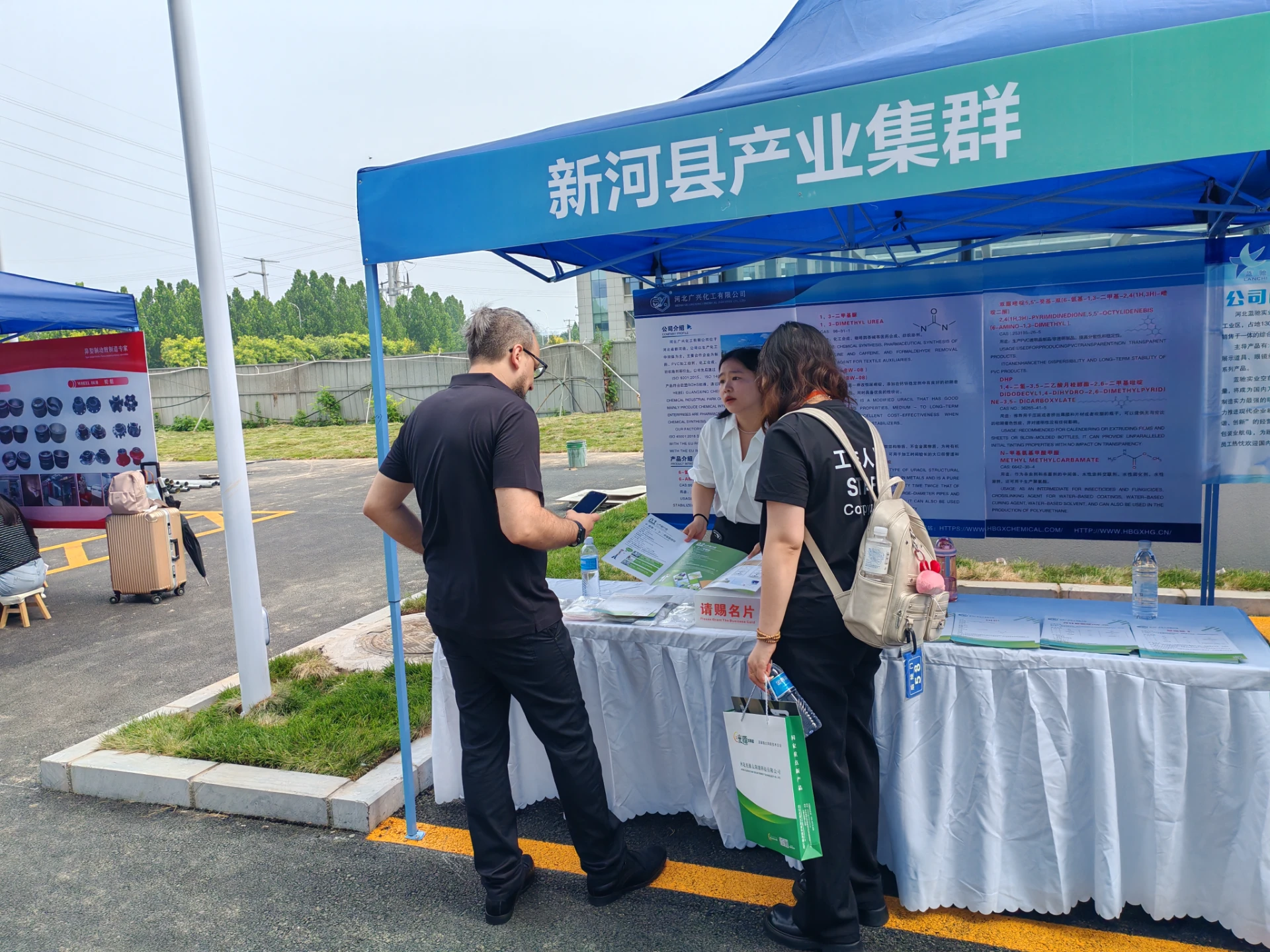
For industrial clients, the consistency and reliability of a raw material are as crucial as its technical specifications. Hebei Guangxing Chemical Co., Ltd. has built its reputation on a foundation of rigorous quality control and scalable production. Our manufacturing processes for 6 amino uracil are designed to ensure that every batch meets the stringent standards demanded by global partners in the pharmaceutical and polymer sectors. Operating from a 90-acre facility in Hebei Province, we have a dedicated annual production capacity of 6000 tons for this critical intermediate. Our commitment is validated by a comprehensive suite of international certifications, including ISO 9001:2015 for quality management, ISO 14001:2015 for environmental management, and successful registrations under EU REACH. Our status as a high-tech enterprise and a recognized "Specialized, Refined, Unique and New" company in Hebei Province reflects our focus on technological advancement and product excellence. As a Class A supplier to multinational corporations like Baerlocher and Chemson, we have demonstrated an unwavering ability to deliver high-volume, high-purity aminouracil products consistently, ensuring that your production schedules and quality benchmarks are reliably met.
Integrating a new chemical intermediate into a complex supply chain requires careful consideration of logistics, handling, and technical support. We facilitate this integration by providing 6 amino uracil in industrial-standard 25kg bags, featuring an inner polyethylene liner within an outer woven bag to protect the product from moisture and contamination during transit and storage. Understanding the diverse needs of our clients, we are open to discussing customized packaging solutions to fit specific handling systems and logistical requirements. Proper storage is paramount to maintaining the product's efficacy; it must be kept in a cool, dry, and well-ventilated area, shielded from direct sunlight, rain, and any ignition sources. Our technical support team is equipped to provide comprehensive data and guidance on the safe handling and optimal use of 6 amino uracil in your specific applications, from pharmaceutical synthesis to polymer stabilization. This end-to-end support, from production to delivery and application, ensures that our partners can leverage the full potential of this versatile intermediate with complete confidence.
The distinction is structural, referring to the position of the amino group on the uracil ring. While 4 amino uracil indicates the group at the 4-position, 6 amino uracil (our product, CAS 6642-31-5) has the amino group at the 6-position, which results in different chemical reactivity and application profiles.
A chromatographic purity of ≥99.0% for our 6 amino uracil is essential for ensuring predictable reaction outcomes in sensitive applications like pharmaceutical synthesis, where impurities can catalyze side reactions, lower yields, or compromise the safety profile of the final API.
Aminouracil derivatives are key components in calcium-zinc stabilizer systems, where they act by chelating metal ions and scavenging hydrochloric acid, thereby preventing the thermal degradation and discoloration of PVC during high-temperature processing.
Yes, as a manufacturer with ISO certifications and EU REACH registration for 6 amino uracil, we provide all necessary technical data sheets, certificates of analysis, and other documentation to support our clients' regulatory and quality assurance processes.
The production of 6 amino uracil is conducted under carefully controlled conditions, and due to the reactivity of its enamine unit, we recommend storing the final product in an inert atmosphere to maintain its long-term stability and chemical performance for our customers.
Calcium Zinc Stabilizer For Reliable PVC Production


 English
  Arabic
  Belarusian
  Bengali
  Bulgarian
  Finnish
  French
  German
  Hebrew
  Hindi
Hindi  Hungarian
  Indonesian
  Italian
  Japanese
  Korean
  Persian
  Portuguese
  Russian
  Spanish
  Turkish