









Feb . 27, 2026
Understanding reaction intermediates is crucial for comprehending the mechanisms of organic reactions. These fleeting species, formed during the transformation of reactants into products, dictate the reaction pathway and influence its rate and selectivity. This article provides a detailed exploration of reaction intermediates, their types, detection methods, and their significance in organic chemistry. A firm grasp of these concepts is essential for anyone studying or working in the field of organic synthesis, pharmaceutical development, and materials science. We will explore how HBGX Chemical provides high-quality chemical compounds used in the study of organic reactions.
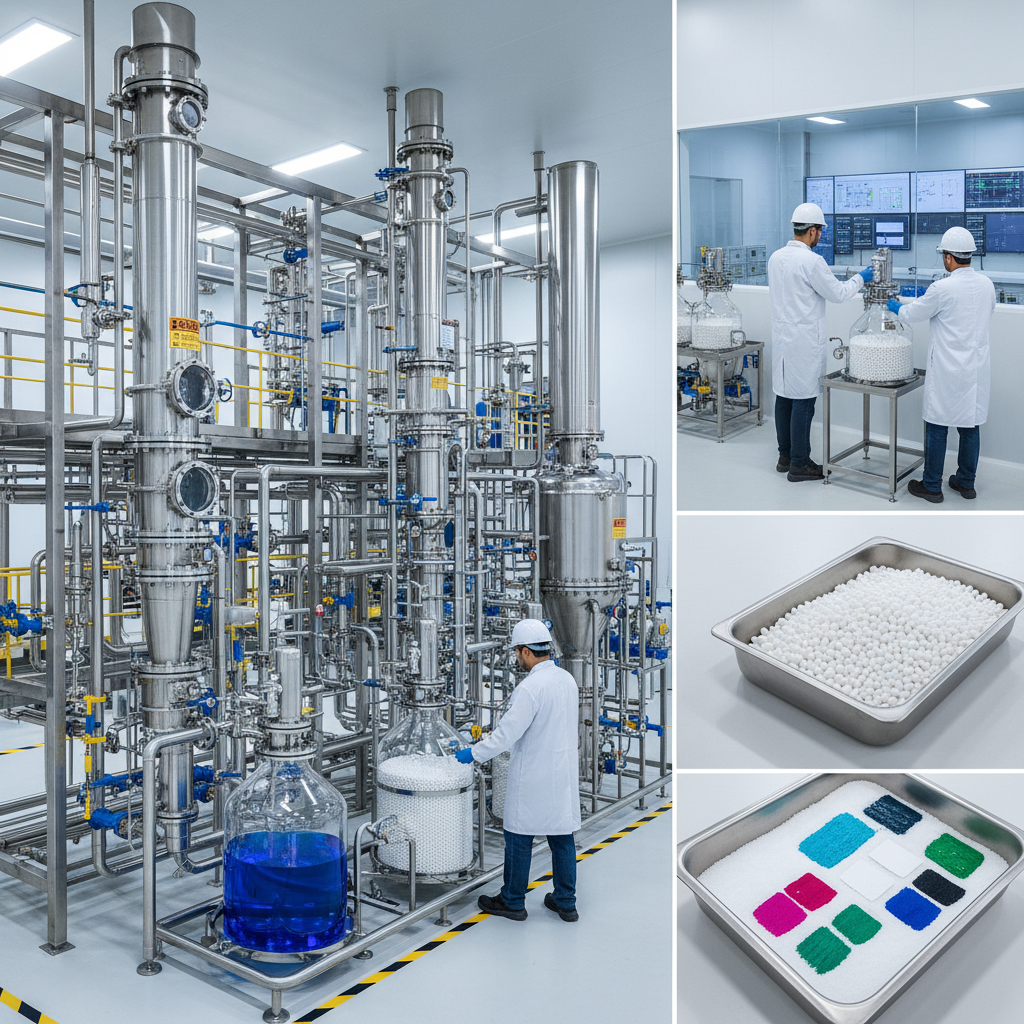
Reaction intermediates are transient chemical species that are neither the starting reactants nor the final products in a chemical reaction. They exist for a very short period, often milliseconds or even microseconds, and are typically highly reactive. They're formed during one step of a multi-step reaction and are consumed in a subsequent step. Understanding their structure and properties is key to deciphering the reaction mechanism. These intermediates influence the overall reaction rate, product distribution, and stereochemistry. The study of organic intermediates requires specialized knowledge and often relies on sophisticated analytical techniques.
Key Characteristics: Transient existence, high reactivity, formed in multi-step reactions, crucial for reaction mechanism understanding.
Several types of reaction intermediates are commonly encountered in organic chemistry. Each type is characterized by its unique electronic structure and reactivity. Some of the most important include carbocations, carbanions, free radicals, carbenes, and transition states. Recognizing these intermediates helps in predicting reaction outcomes and designing effective synthetic strategies. The stability of an intermediate is a major factor influencing the reaction pathway and the ease with which it is formed. HBGX Chemical offers a wide array of precursors for studying these intermediates.
Key Reaction Intermediates:
• Carbocations: Positively charged carbon atoms.
• Carbanions: Negatively charged carbon atoms.
• Free Radicals: Species with unpaired electrons.
• Carbenes: Neutral species with a divalent carbon atom.
Directly observing reaction intermediates is challenging due to their short lifetimes. However, several sophisticated techniques can be employed to detect or infer their presence. These include spectroscopic methods like UV-Vis spectroscopy, NMR spectroscopy (particularly using techniques like stopped-flow NMR), and electron spin resonance (ESR) for free radicals. Kinetic studies, where reaction rates are measured under varying conditions, can also provide insights into intermediate formation. Computational chemistry, using methods like density functional theory (DFT), is increasingly used to predict the structure and properties of these intermediates.
Understanding reaction intermediates is paramount in elucidating reaction mechanisms. A mechanism is a step-by-step description of how a reaction occurs, detailing the formation and consumption of intermediates. Knowing the mechanism allows chemists to predict the effects of changing reaction conditions (e.g., temperature, solvent, catalysts) on the reaction outcome. This is invaluable for optimizing reaction efficiency and selectivity. Furthermore, understanding intermediates is critical for designing new reactions and developing novel synthetic strategies.
The knowledge of reaction intermediates is vital in industrial chemical processes. Optimizing reaction conditions to maximize yield and minimize byproduct formation relies heavily on understanding the role of these fleeting species. For example, controlling the formation of unwanted intermediates can improve the purity of pharmaceutical products or enhance the efficiency of polymer synthesis. HBGX Chemical specializes in supplying high-purity chemicals used in these processes, including precursors for synthesizing complex organic molecules and reagents for intermediate characterization.
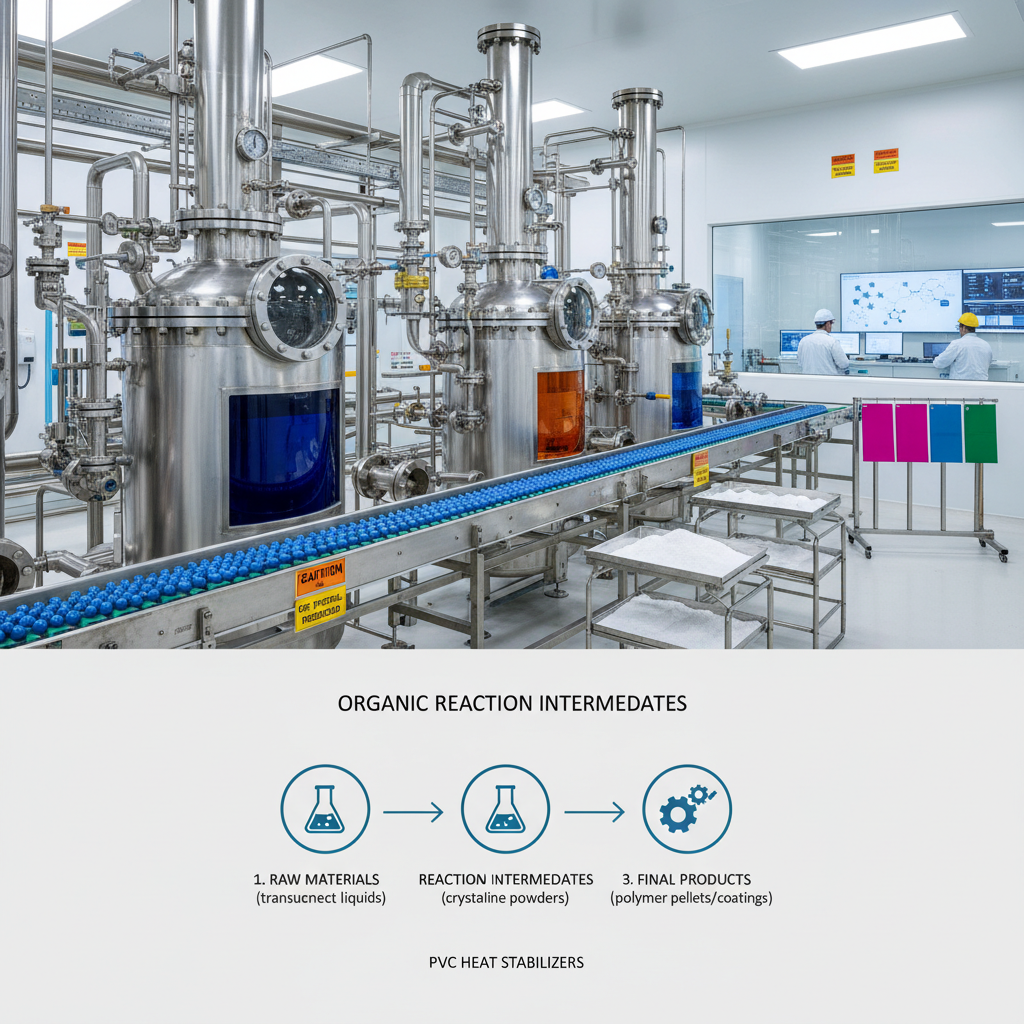
A deep understanding of reaction intermediates is essential for success in organic chemistry. By recognizing their types, utilizing appropriate detection methods, and appreciating their role in reaction mechanisms, chemists can optimize reactions, design new synthetic routes, and advance the field of chemistry. HBGX Chemical provides the necessary chemical tools and resources to facilitate your research and development efforts.
The stability of a carbocation is primarily determined by the ability of adjacent groups to donate electron density through inductive and hyperconjugative effects. Tertiary carbocations are generally more stable than secondary, which are more stable than primary carbocations. Resonance stabilization also plays a crucial role; carbocations with resonance structures are significantly more stable. The solvent used in the reaction can also affect carbocation stability, with polar solvents generally stabilizing them to a greater extent.
Free radicals, carbocations, and carbanions are all reactive intermediates, but they differ significantly in their electronic structures. Free radicals have an unpaired electron, making them highly reactive but less electrophilic or nucleophilic than carbocations or carbanions. Carbocations are electron-deficient and act as electrophiles, while carbanions are electron-rich and act as nucleophiles. These differences influence their reaction pathways and the types of reactions they participate in.
The solvent can have a profound impact on the formation and stability of reaction intermediates. Polar solvents stabilize charged intermediates like carbocations and carbanions through solvation, lowering their energy and increasing their lifetime. Protic solvents (those with O-H or N-H bonds) can participate in hydrogen bonding, which can influence intermediate structures. Aprotic solvents (those without easily donated protons) are often preferred for reactions involving strong bases, as they don't compete with the base for protons.
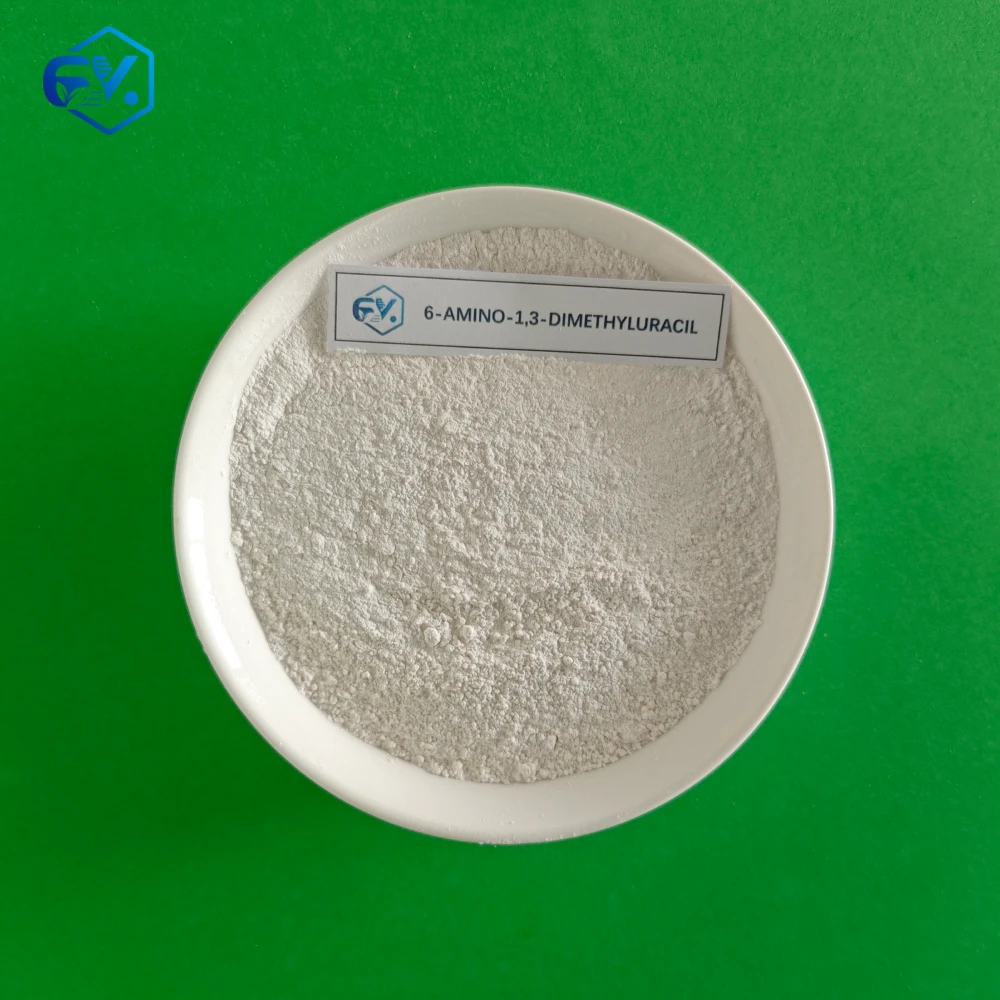
Exploring Organic Stabilizers and PVC Processing Aids: The Role of 4AU and DMAU



 English
  Arabic
  Belarusian
  Bengali
  Bulgarian
  Finnish
  French
  German
  Hebrew
  Hindi
Hindi  Hungarian
  Indonesian
  Italian
  Japanese
  Korean
  Persian
  Portuguese
  Russian
  Spanish
  Turkish