









Feb . 11, 2026
Cellulose adsorbents are gaining prominence in various industrial applications due to their renewability, cost-effectiveness, and excellent adsorption properties. These materials, derived from plant-based sources, offer a sustainable alternative to traditional adsorbents. This article will delve into the properties, applications, benefits, and factors to consider when choosing a cellulose adsorbent. We'll explore how these versatile materials contribute to cleaner processes and environmental sustainability.
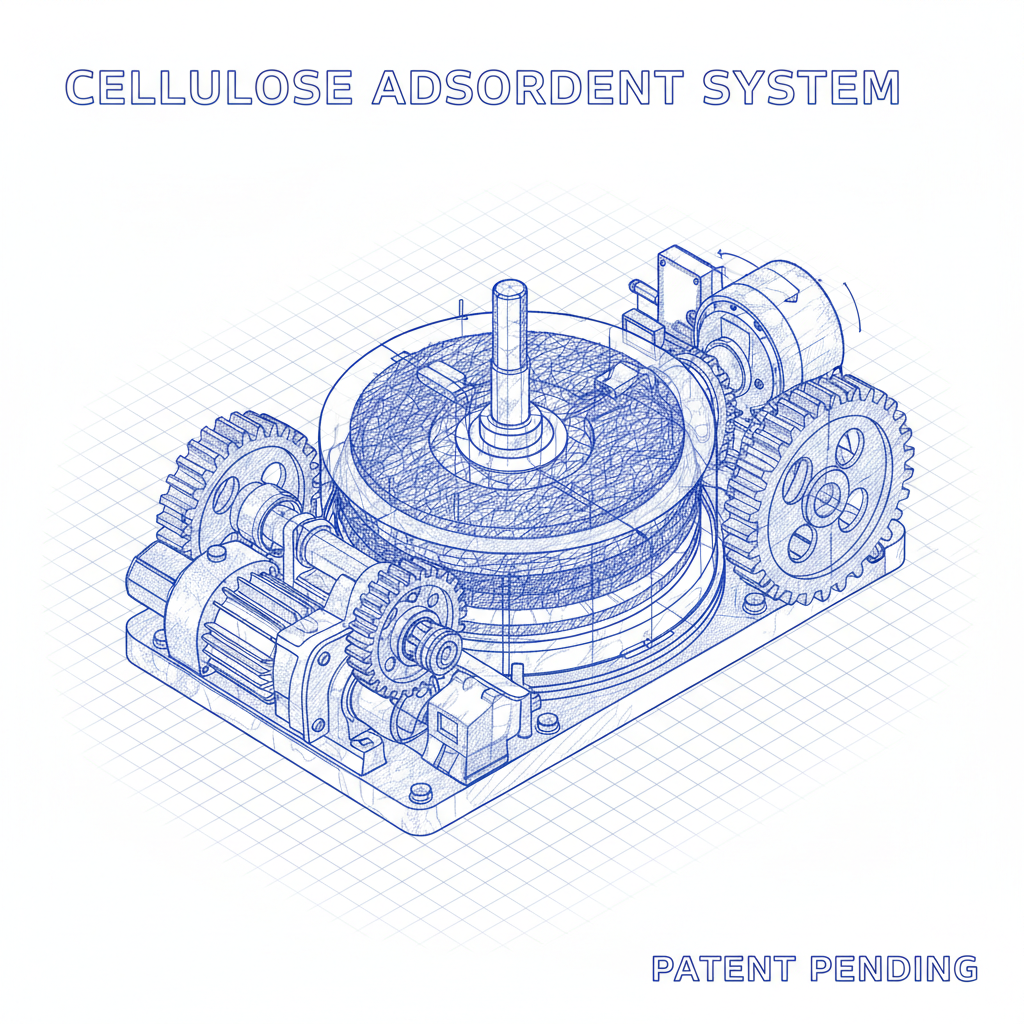
Cellulose, the primary structural component of plant cell walls, is a polysaccharide with a high degree of hydroxyl groups. These hydroxyl groups allow cellulose to effectively bind with a wide range of molecules through hydrogen bonding, van der Waals forces, and electrostatic interactions. This makes cellulose an exceptional adsorbent for removing pollutants, separating components, and capturing valuable resources from liquids and gases. The adsorption capacity can be further enhanced through chemical modifications, such as crosslinking and grafting. HBGX Chemical specializes in tailoring cellulose adsorbents for specific industrial needs.
Key Highlights: Cellulose’s high surface area and abundance of hydroxyl groups enable strong binding with various molecules, making it a versatile adsorbent.
The versatility of cellulose adsorbents leads to their application in a multitude of industries. These include wastewater treatment for removing heavy metals and dyes, air purification for capturing volatile organic compounds (VOCs), oil spill cleanup for absorbing hydrocarbons, and even food processing for decolorizing sugar solutions. Additionally, modified cellulose adsorbents are used in pharmaceutical applications for drug delivery and purification. Their biocompatibility and biodegradability make them an environmentally friendly choice.
Application Areas:
• Wastewater Treatment
• Air Purification
• Oil Spill Cleanup
• Food Processing
Various forms of cellulose adsorbents are available, each offering unique properties. These include microcrystalline cellulose (MCC), powdered cellulose, cellulose fibers, and cellulose beads. Modified cellulose forms, like carboxymethyl cellulose (CMC) and cross-linked cellulose, also offer enhanced performance characteristics. The choice of adsorbent depends on the specific application and the target contaminants. For example, cellulose beads are often preferred for column chromatography due to their excellent flow properties.
Compared to traditional adsorbents like activated carbon and silica gel, cellulose adsorbents offer several advantages. They are renewable and biodegradable, contributing to environmental sustainability. Their lower cost makes them economically attractive. Furthermore, cellulose is readily available, reducing supply chain concerns. The ability to modify cellulose to enhance its properties expands its applicability. HBGX Chemical’s cellulose adsorbents are designed to deliver optimal performance and sustainability.
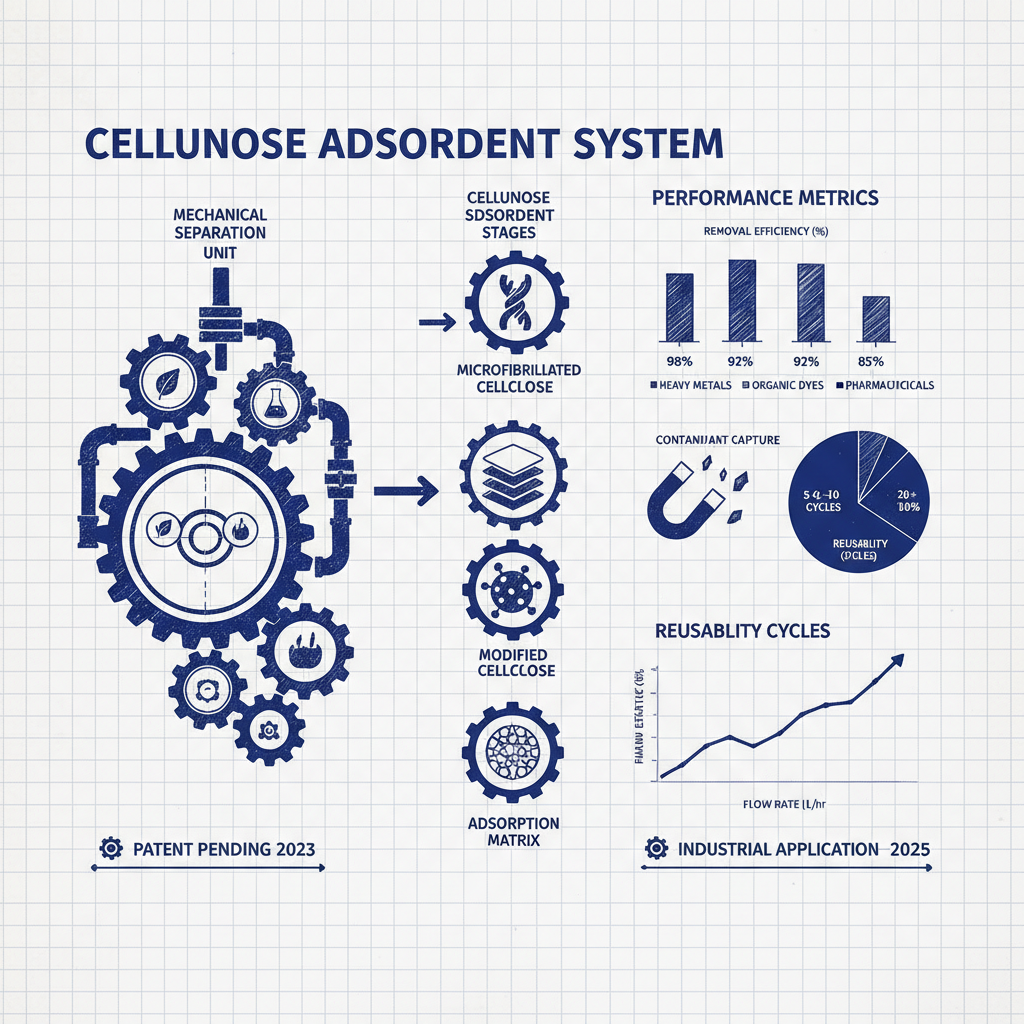
When selecting a cellulose adsorbent, consider the specific application, the target contaminants, pH levels, temperature, and flow rate. Particle size and surface area are crucial parameters impacting adsorption efficiency. The degree of modification also influences performance. Working with a reputable supplier like HBGX Chemical ensures you receive a product tailored to your needs and backed by quality assurance.
Cellulose adsorbents offer a compelling combination of performance, sustainability, and cost-effectiveness. Their diverse applications and adaptability make them ideal for addressing various environmental and industrial challenges. Choosing the right type of cellulose adsorbent is essential for maximizing efficiency and achieving desired outcomes. Partner with a trusted supplier like HBGX Chemical to unlock the full potential of these remarkable materials.
The adsorption capacity of cellulose adsorbents varies greatly depending on the type of cellulose, the modification process, and the target contaminant. Generally, adsorption capacities range from 50 to 250 mg/g for various pollutants like heavy metals, dyes, and organic compounds. Modified cellulose forms, such as carboxymethyl cellulose and cross-linked cellulose, can exhibit significantly higher adsorption capacities. Factors like pH, temperature, and contact time also influence adsorption efficiency. At HBGX Chemical, we provide detailed performance data for each of our cellulose adsorbent products.
Yes, cellulose is a naturally biodegradable polymer. Cellulose adsorbents, being derived from plant sources, are generally considered biodegradable. However, the biodegradability can be affected by any chemical modifications or crosslinking processes used during production. It’s important to verify the biodegradability of a specific product if that is a critical requirement for your application. HBGX Chemical is committed to providing eco-friendly and biodegradable cellulose adsorbent solutions.
Regeneration of cellulose adsorbents depends on the type of contaminant adsorbed. Common regeneration methods include washing with solvents (e.g., ethanol, acetone), acid or base treatment, or thermal treatment. The optimal regeneration method must be determined based on the specific application and the adsorbed substance. Repeated regeneration cycles may reduce the adsorption capacity over time. HBGX Chemical provides guidance on regeneration procedures for our cellulose adsorbent products.
High-Quality Bulk Chemicals for Industrial Use



 English
  Arabic
  Belarusian
  Bengali
  Bulgarian
  Finnish
  French
  German
  Hebrew
  Hindi
Hindi  Hungarian
  Indonesian
  Italian
  Japanese
  Korean
  Persian
  Portuguese
  Russian
  Spanish
  Turkish