









Feb . 24, 2026
In numerous industrial processes and life support systems, maintaining optimal oxygen levels is critical. Oxygen adsorbent materials play a vital role in selectively removing oxygen from gas streams, ensuring safety, preserving product quality, and improving efficiency. This article will delve into the properties, applications, and benefits of oxygen adsorbents, particularly those offered by HBGX Chemical, a leading supplier in this field. Proper oxygen control significantly impacts various industries, from medical to packaging, and choosing the right adsorbent is key to success.
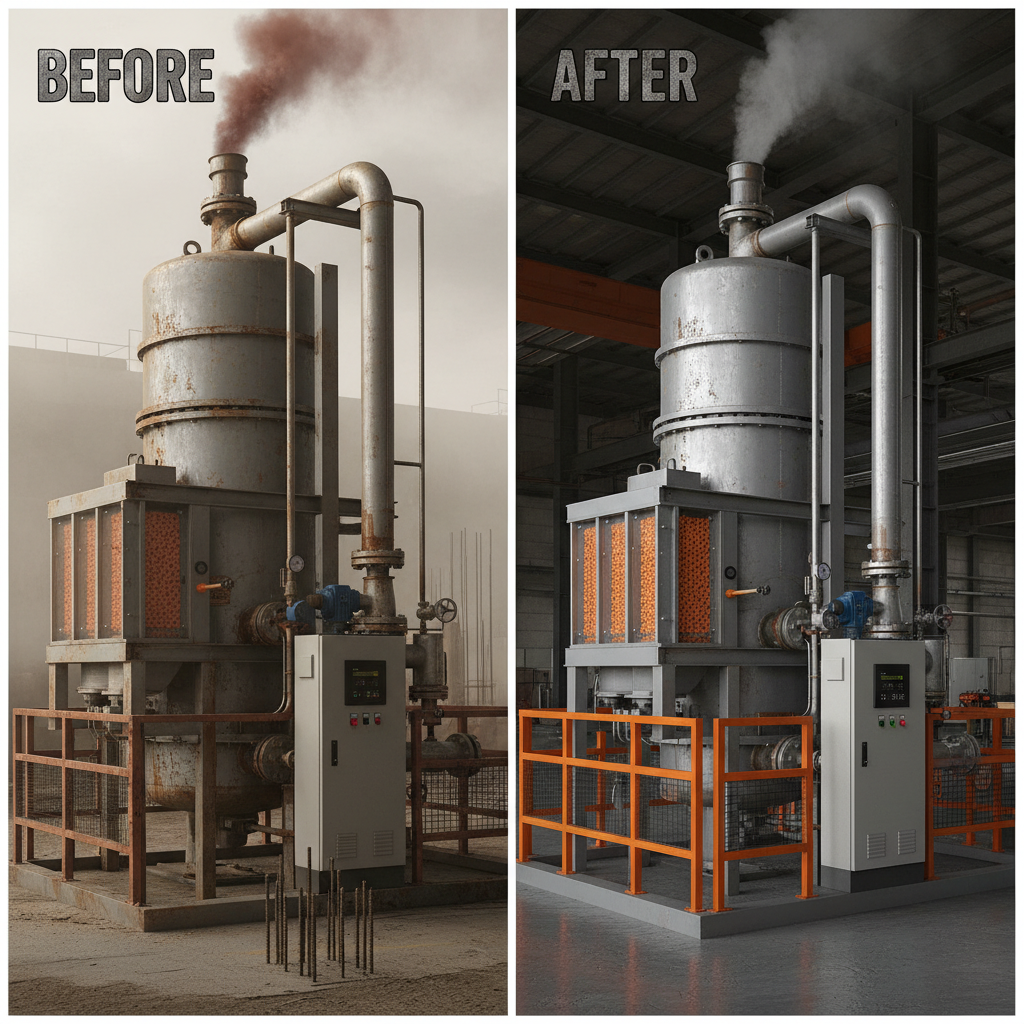
Oxygen adsorbent materials are substances specifically designed to selectively bind oxygen molecules from a gas mixture. The most common type utilizes materials like activated alumina and molecular sieves. These materials possess a porous structure with a high surface area, providing ample sites for oxygen molecules to adhere to. The adsorption process is driven by physical forces (physisorption) or chemical reactions (chemisorption), depending on the specific adsorbent used. Once saturated, the adsorbent can be regenerated through heating or pressure reduction, allowing for continued use. The effectiveness of an oxygen adsorbent depends on factors like pore size, surface area, and the specific gas composition.
Key Highlights: Oxygen adsorbents selectively bind oxygen molecules, offering a reusable and effective method for oxygen removal from gas streams. Regeneration is typically achieved through heating or pressure reduction.
Several types of oxygen adsorbents are available, each with unique properties and suitability for different applications. Activated alumina, known for its cost-effectiveness and robust performance, is often used in bulk oxygen removal. Molecular sieves, particularly those based on zeolite structures, offer higher selectivity and adsorption capacity. These are often preferred when trace oxygen levels need to be achieved. Furthermore, chemically modified adsorbents can enhance selectivity for oxygen over other gases. Understanding these differences is crucial for choosing the optimal solution for a specific process.
Oxygen Adsorbent Comparison:
• Activated Alumina: Cost-effective, good bulk oxygen removal.
• Molecular Sieves: High selectivity, excellent for trace oxygen removal.
• Chemically Modified Adsorbents: Enhanced selectivity, tailored for specific gas mixtures.
The applications of oxygen adsorbent are incredibly diverse. In the medical field, it's crucial for preserving the integrity of pharmaceuticals and creating inert atmospheres for sensitive procedures. In the food packaging industry, oxygen removal extends shelf life by preventing oxidation and spoilage. Industrial applications include purging oxygen from pipelines to prevent corrosion, controlling oxygen levels in chemical reactors, and removing oxygen from inert gas mixtures used in welding and metal fabrication. The demand for high-purity gases and controlled environments continues to drive the need for effective oxygen adsorption technologies.
HBGX Chemical is a leading manufacturer and supplier of high-quality oxygen adsorbent materials. We offer a comprehensive range of products, including activated alumina and various molecular sieves, tailored to meet diverse industrial needs. Our commitment to quality, competitive pricing, and exceptional customer service sets us apart. We provide technical support to help you select the most appropriate adsorbent for your specific application and ensure optimal performance.
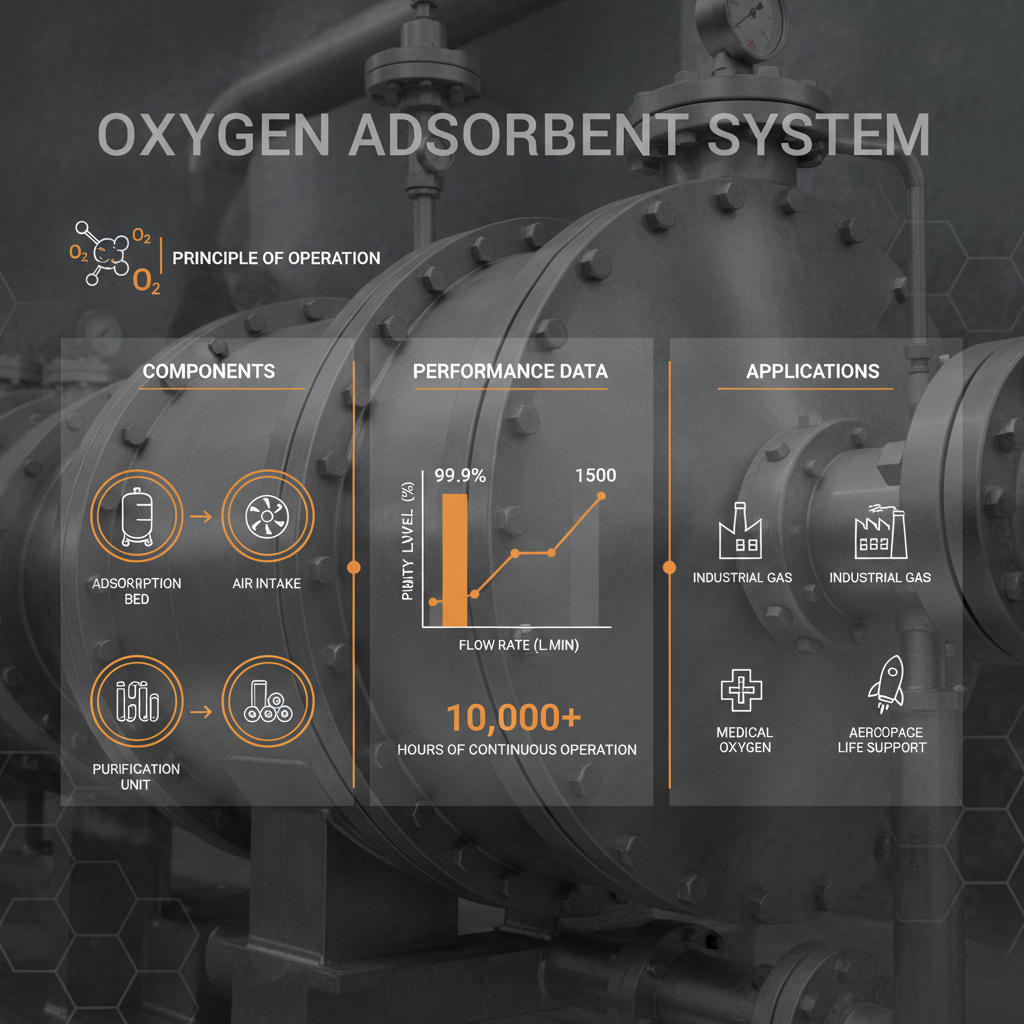
Understanding the specific properties of our oxygen adsorbents is crucial for optimal application. Here are some key specifications of our commonly used molecular sieve products:
Effective oxygen control is paramount across a diverse range of industries. HBGX Chemical provides high-quality oxygen adsorbents and expert support to help you optimize your processes, enhance product quality, and ensure safety. Contact us today to discuss your specific needs and discover how our solutions can benefit your operation.
The lifespan of an oxygen adsorbent depends on factors such as operating conditions, gas composition, and the specific material used. Molecular sieves typically have a lifespan of 2-5 years, while activated alumina can last longer with proper regeneration. Over time, the adsorption capacity will gradually decline as the adsorbent becomes fouled or its pore structure degrades. Regular monitoring and regeneration are essential for maximizing lifespan. Consider contacting HBGX Chemical for recommendations on optimal lifespan and regeneration procedures.
Regeneration typically involves heating the adsorbent to a specific temperature (usually between 200-400°C) under a dry purge gas flow. This heating process desorbs the adsorbed oxygen and other contaminants, restoring the adsorbent’s capacity. The specific regeneration temperature and purge gas flow rate depend on the adsorbent type and the nature of the adsorbed contaminants. Some systems utilize pressure swing adsorption (PSA) for regeneration, which involves reducing the pressure to release the adsorbed gases.
While oxygen adsorbents themselves are not typically hazardous, dust generated during handling can be an irritant. It's recommended to wear appropriate personal protective equipment (PPE), such as a dust mask and gloves, during handling. Furthermore, avoid creating dust clouds and ensure adequate ventilation. Always consult the Safety Data Sheet (SDS) for specific handling and safety information.
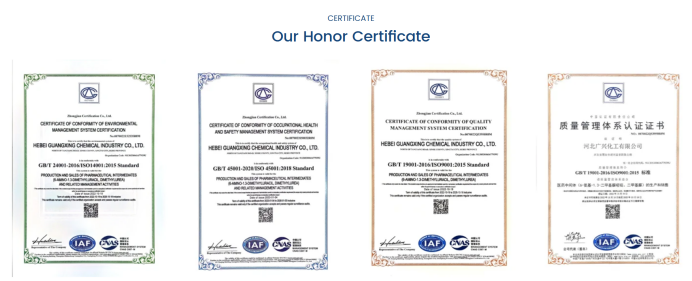
Urapidil HBGX 15 Years Quality Commitment


 English
  Arabic
  Belarusian
  Bengali
  Bulgarian
  Finnish
  French
  German
  Hebrew
  Hindi
Hindi  Hungarian
  Indonesian
  Italian
  Japanese
  Korean
  Persian
  Portuguese
  Russian
  Spanish
  Turkish