









Nov . 06, 2025
If you work in infection control or oral-care manufacturing, you already know the story. Still, every year there’s a new angle—better specs, tighter microbiological limits, friendlier documentation. And, to be honest, a little procurement drama. Below is the no-spin version of how Chlorhexidine Gluconate (CHG) is made, tested, and chosen, plus what buyers tell me when the cameras are off.
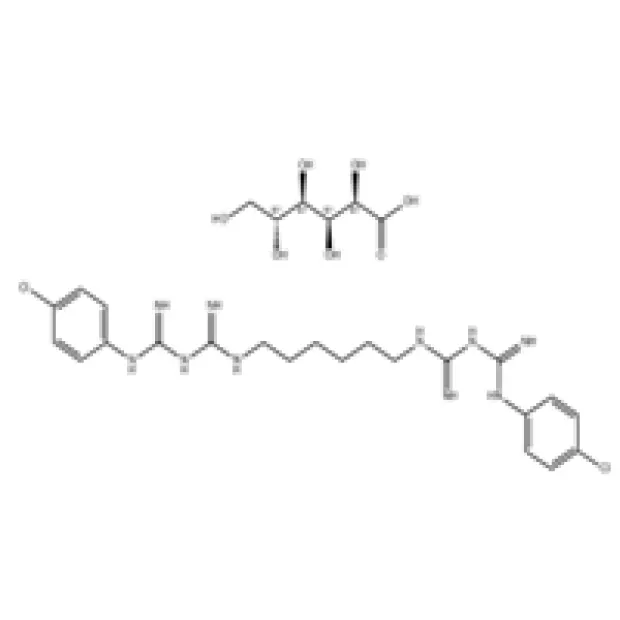
CHG is a bisbiguanide antiseptic, typically supplied as an aqueous solution of the gluconate salt. CAS 18472-51-0, formal name 1,6-bis(N5-[p-chlorophenyl]-N1-biguanido)hexane gluconate. Market aliases include Maskin, Unisept, Chlorhexamed, sometimes “Septéal” variants. Used in pre-op skin prep, catheter care, handwash, and mouthwashes—though exact claims must follow local regs.
| Assay (as CHG) | ≈ 19.0–20.5% w/v (typical pharma grade); other strengths on request |
| Appearance | Clear to slightly opalescent, colorless to pale yellow solution |
| pH (20% sol.) | ≈ 5.5–7.0 |
| Impurities | Meets USP/Ph. Eur. related substances limits (real-world may vary by lot) |
| Microbial limits | TAMC/TYMC per pharmacopeia; preservative efficacy optional |
| Shelf life | 24–36 months sealed; diluted use-solution stability depends on matrix |
| Origin | Tangyang Road, Xinhe County, Xingtai City, Hebei Province |
Materials: chlorhexidine base, gluconic acid, purified water. Methods: controlled neutralization to form Chlorhexidine Gluconate salt, coarse filtration, carbon polish (if specified), 0.22 μm sterile filtration, aseptic filling. QA/QC: identity by IR/UV, assay by HPLC, pH, color, related substances, bioburden, and time-kill verification against EN 1276/13727 or ASTM E2315 (optional). Batches for medical OEMs often add endotoxin testing and particulate counts.
Healthcare hand antiseptics, pre-op prep, catheter-site care; dental mouthwash and gel; veterinary topicals; cosmetic preservatives (regulated); cleanroom hygiene. Many customers say they prefer CHG for “stickiness”—that lingering antimicrobial effect.
| Vendor | Grade/Docs | Assay | Certs | Notes |
|---|---|---|---|---|
| Hebei Guangxin Chemical | Pharma/industrial; CoA, MSDS | ≈ 20% w/v | ISO 9001; lot traceability | Stable lead times; origin Hebei, China |
| Global Supplier A | USP/Ph. Eur. aligned | ≈ 20% w/v | ISO 13485 support (docs) | Higher MOQ; strong regulatory pack |
Common requests: alternate strengths (2–20%), low-aldehyde specs for oral care, bioburden max ≤10 CFU/mL, tinted variants for process ID, and small-volume sterile fills. Packaging ranges from 1 L HDPE to 200 L drums and IBCs.
A mid-size hospital in Southeast Asia switched to a 2% Chlorhexidine Gluconate in 70% IPA scrub. Post-implementation audits showed ≈40% fewer line-associated infections over six months (confounders exist, yes), with nurses citing “less skin irritation than expected.” In dental OEMs, a 0.12% mouthwash line reported steadier taste profile after vendor moved to tighter pH control (6.0 ±0.2).
Note: This article is informational; always verify suitability and regulatory status for your finished product.
Dimethylurea In Modern Industry


 English
  Arabic
  Belarusian
  Bengali
  Bulgarian
  Finnish
  French
  German
  Hebrew
  Hindi
Hindi  Hungarian
  Indonesian
  Italian
  Japanese
  Korean
  Persian
  Portuguese
  Russian
  Spanish
  Turkish