In the complex landscape of industrial chemical supply, the quest for multifunctional and reliable raw materials is perpetual. We present a cornerstone chemical that transcends single-use applications, serving as a critical organic intermediate and a foundational component in numerous synthesis processes. This compound, 1,3-dimethylurea, is a testament to molecular versatility, offering a unique combination of properties that make it indispensable for manufacturers across the globe. Our role as a primary producer is to ensure a consistent, high-purity supply of this essential material, enabling your production lines to operate with efficiency and your final products to achieve superior market standards. The value of a chemical is measured not just by its specifications but by its performance in diverse and demanding industrial environments. With a defined molecular structure of C3H8N2O and a CAS registry of 96-31-1, this off-white flake crystal is more than a simple compound; it is a pivotal ingredient that drives innovation and enhances product performance in sectors ranging from textiles and cosmetics to pharmaceuticals and advanced chemical synthesis. We have dedicated our manufacturing expertise to perfecting this product, ensuring it meets the rigorous demands of large-scale industrial procurement and international supply chains.
Our Core Organic Intermediate Product
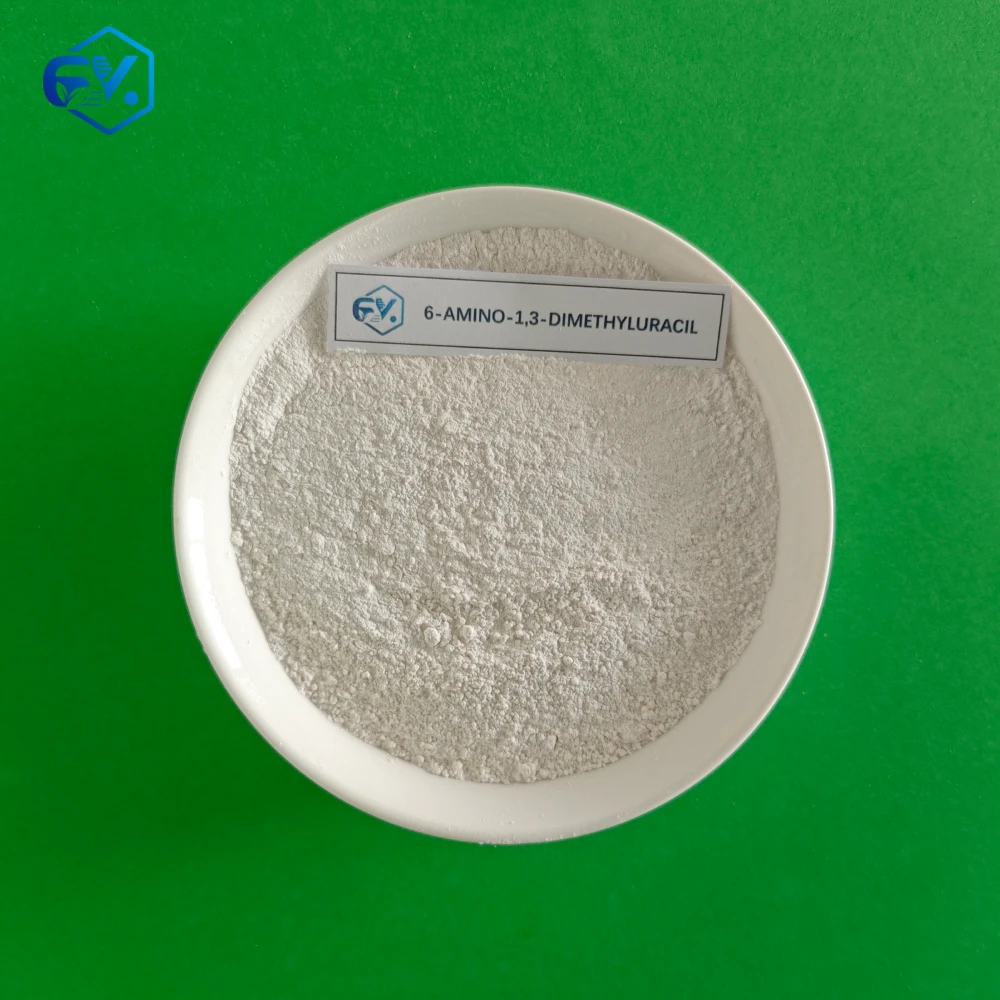
The term organic intermediate often implies a component with a narrow, specialized function, but our product, 1,3-dimethylurea, defies this limitation by acting as a versatile building block for a wide array of industrial syntheses. Its significance as an organic intermediate is rooted in its reactive urea core, symmetrically substituted with methyl groups, which allows it to participate in a multitude of chemical reactions, facilitating the creation of more complex molecular architectures. For our clients in the pharmaceutical sector, this compound is a key starting material for the synthesis of various active ingredients and other sophisticated intermediates like 6-amino-1,3-dimethyluracil. In the agrochemical industry, it is incorporated into the synthesis chains for specific herbicides and plant protection agents, where its chemical properties contribute to the efficacy and stability of the final formulation. For polymer producers, it is a fundamental reactant in the production of formaldehyde-free resins, aligning with global trends towards safer and more environmentally conscious manufacturing. We supply this high-value organic intermediate with chromatographic purity options of ≥95.0% / ≥97.0%, packaged in 25kg bags designed for optimal handling and storage in an industrial setting, providing you with a reliable and high-performing chemical partner for your most critical production processes.
Applications As A Local Astringent
Within the specific and highly regulated domain of pharmaceutical and personal care manufacturing, the functional role of certain chemicals as a local astringent is of paramount importance. The chemical and physical characteristics of our 1,3-dimethylurea flake make it a valuable ingredient in formulations where a mild local astringent effect is desired, particularly in advanced cosmetic and topical pharmaceutical applications. Its ability to interact with proteins and other biological molecules contributes to its functionality in these specialized formulations, providing a tightening and cleansing sensation that is sought after in high-end skincare products. For our bulk clients who are developers of these products, the consistent quality and purity of our material are non-negotiable. Our off-white flake crystals, with a tightly controlled melting point of 103–108°C and low moisture content, ensure that the chemical integrity of your lotions, creams, and ointments remains uncompromised from batch to batch. This reliability is crucial for maintaining the efficacy and safety profile of your final consumer products. As your manufacturing partner, we provide the technical data and support necessary to seamlessly integrate this component into your sophisticated emulsion and synthesis systems, ensuring that the functional benefits are fully realized in your end-product.
The Power Of Efficient Additives
The pursuit of operational excellence in manufacturing invariably leads to the integration of efficient additives that optimize processes, improve product performance, and reduce waste. In the textile industry, our 1,3-dimethylurea is a prime example of such an efficient additives, revolutionizing the domain of fabric finishing. It serves as a critical raw material in the production of high-performance, formaldehyde-free anti-wrinkle finishing agents for textiles. By incorporating this compound into their chemical recipes, textile manufacturers can achieve durable press properties in fabrics without releasing formaldehyde, meeting stringent international safety and environmental standards while enhancing the quality and appeal of their textile products. This efficiency translates directly into a competitive market advantage. Similarly, in the plastics and polymer industry, its role as a precursor for other efficient additives, such as PVC heat stabilizers, underscores its importance in creating more stable and durable plastic materials. For you, the industrial buyer, this means that by sourcing this key ingredient from us, you are not merely purchasing a chemical; you are integrating a performance-enhancing solution that streamlines your production, elevates your product quality, and aligns with modern regulatory demands, all contributing to a stronger bottom line and a more robust market position.
Functionality As An Adsorbent
Beyond its roles in synthesis and formulation, the intrinsic property of this compound to act as a mild Adsorbent opens up another dimension of application. The molecular structure of 1,3-dimethylurea allows it to engage in selective interactions with other substances, functioning as a molecular Adsorbent in certain chemical processes. This characteristic is particularly valuable in purification and separation technologies, where it can help isolate specific components from a mixture or sequester undesirable impurities during a reaction. This adsorptive capacity enhances its utility as a processing aid, ensuring that the final chemical products achieve a higher degree of purity and performance. For manufacturers dealing with complex synthesis, having a reactant that also contributes to the cleanliness and efficiency of the reaction pathway is a significant benefit. It can lead to simplified downstream processing, reduced need for additional purification steps, and an overall more efficient and cost-effective manufacturing operation. We produce this versatile Adsorbent with a focus on its physical form—off-white flakes that offer a favorable surface area for such interactions—and consistent purity, ensuring that this functional property is reliably present in every shipment we deliver to your facility.
Adsorbent FAQ
How is this product classified as an organic intermediate, and what are its primary synthetic uses?
Our product is a definitive organic intermediate, specifically 1,3-dimethylurea. Its symmetric urea structure with methyl groups makes it a reactive building block. Its primary synthetic uses include serving as a precursor for pharmaceutical actives, a key reactant in creating formaldehyde-free textile resins, and a starting material for other specialized efficient additives in the plastics industry.
Can you elaborate on the applications related to its function as a local astringent?
In formulations for topical use, the compound can exhibit a mild local astringent effect. This property is leveraged by our clients in the cosmetic and personal care manufacturing sector, where it is used in controlled quantities in skincare products such as toners and cleansers to provide pore-tightening and refining benefits, contributing to the product's overall performance profile.
In what ways does it perform as one of the efficient additives in textile manufacturing?
As one of the key efficient additives for textiles, it is chemically transformed into cross-linking agents that impart durable anti-wrinkle properties to fabrics. Its efficiency lies in enabling high-performance finishing without the use of formaldehyde, which streamlines compliance with health regulations and meets consumer demand for safer textile products.
What defines its characteristic as an Adsorbent, and how is this utilized?
The Adsorbent characteristic stems from its molecular ability to interact with and temporarily bind certain other molecules. This is utilized in various chemical processing contexts to help purify reaction mixtures or to selectively remove specific components, thereby acting as a process aid that enhances the purity and quality of the final manufactured product.
What is your supply capacity for this versatile Adsorbent and organic intermediate?
As a primary manufacturer, our supply capacity for this essential Adsorbent and organic intermediate is substantial, with annual production exceeding 5000 tons. We maintain significant inventory of this key material to ensure reliable fulfillment for industrial-scale procurement. Our production capabilities allow us to efficiently scale to meet large-volume demands for its various applications, including as a source for efficient additives in textiles and as a component in formulations requiring local astringent properties. Our robust logistics network ensures timely delivery to partners worldwide.












 English
  Arabic
  Belarusian
  Bengali
  Bulgarian
  Finnish
  French
  German
  Hebrew
  Hindi
Hindi  Hungarian
  Indonesian
  Italian
  Japanese
  Korean
  Persian
  Portuguese
  Russian
  Spanish
  Turkish