Urea-based compounds play a critical role across multiple industries, from textiles and agriculture to pharmaceuticals. Among these, compounds such as 1 3 ثنائي ميثيل يوريا, 3 3 4 dichlorophenyl 1 1 dimethylurea, and drug molecules like urapidil highlight the versatility of the urea derivative family. This article provides a structured overview of their chemical characteristics, synthesis, and real-world applications, closely aligned with global industrial practices.
1. Core Chemical Principles: Urea Structure and Functional Mechanisms
At the molecular level, all urea derivatives examples originate from the fundamental urea formula: CO(NH₂)₂. This simple yet highly reactive structure contains the characteristic urea moiety, which enables hydrogen bonding, crosslinking, and coordination with various functional groups.
1.1 Understanding the Urea Structure
The urea structure consists of a carbonyl group (C=O) bonded to two amine groups. When substituted, it forms derivatives like ثنائي ميثيل اليوريا or 1 3 ثنائي ميثيل يوريا, where methyl groups enhance solubility, stability, and reactivity. These modifications allow the compound to participate in a wide range of chemical reactions.
For example:
- 1 3 ثنائي ميثيل يوريا: widely used in textile finishing and resin synthesis
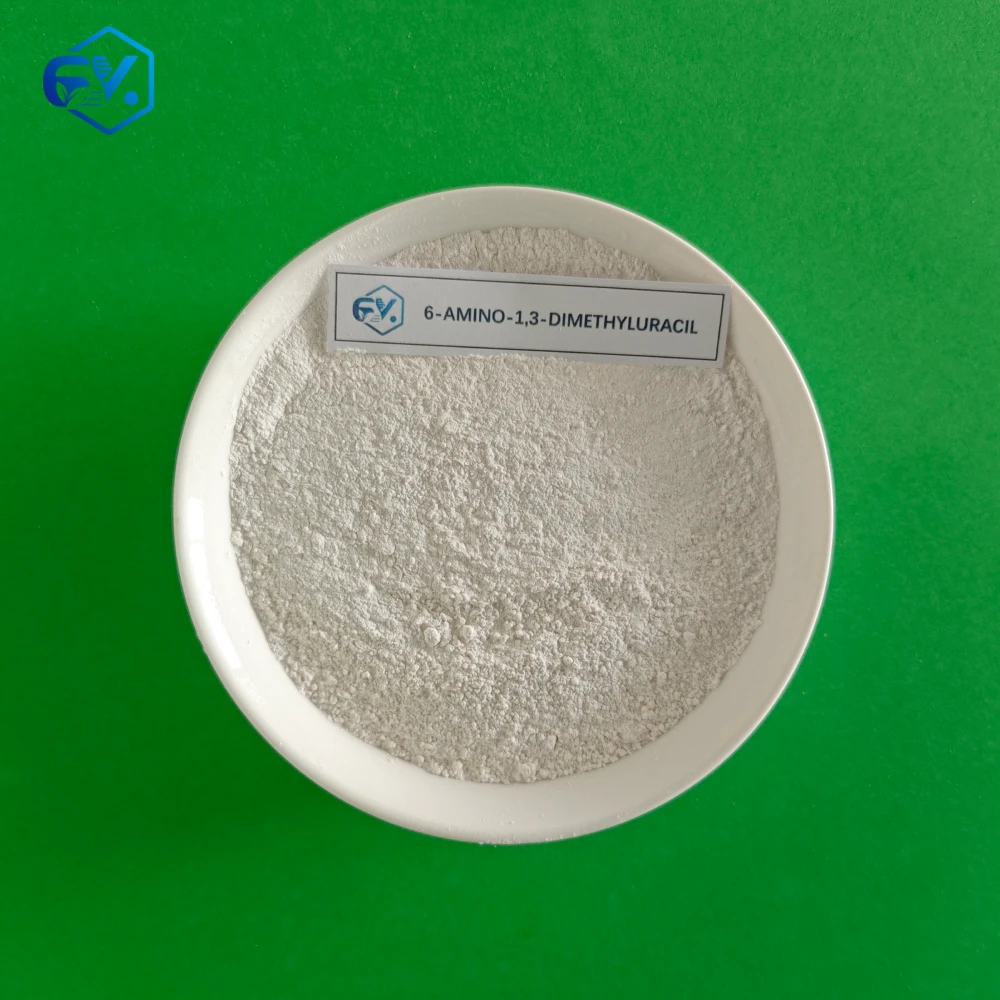
- 6 أمينو 1 3 ثنائي ميثيل يوراسيل: a heterocyclic derivative used in pharmaceutical intermediates
- 3 3 4 dichlorophenyl 1 1 dimethylurea: historically used in herbicide formulations
The presence of the urea moiety enables these compounds to form stable hydrogen bonds, making them ideal for applications requiring adhesion, binding, or crosslinking.
1.2 Functional Advantages in Industrial Chemistry
Globally, chemical manufacturers utilize urea derivatives synthesis to tailor properties such as:
- Thermal stability
- Water solubility
- Reactivity with hydroxyl and amine groups
In textile processing, ثنائي ميثيل اليوريا acts as a crosslinking agent, improving wrinkle resistance and durability. In agrochemicals, derivatives like 3 3 4 dichlorophenyl 1 1 dimethylurea demonstrate selective biological activity.
2. Industrial and Pharmaceutical Applications of Urea Derivatives
Building on their chemical properties, urea derivative compounds are widely applied in both industrial production and pharmaceutical development.
2.1 Industrial Applications: Textile, Agriculture, and Materials
In textile finishing, 1 3 ثنائي ميثيل يوريا is a key intermediate used in eco-friendly resins. Its ability to react with cellulose fibers enhances fabric performance by:
- Improving wrinkle resistance
- Increasing dye fixation
- Enhancing durability
Similarly, urea derivatives examples in agriculture include herbicides and fertilizers. Compounds such as 3 3 4 dichlorophenyl 1 1 dimethylurea have been used to control weed growth due to their ability to disrupt photosynthesis in plants.
In polymer chemistry, urea derivatives synthesis enables the production of advanced materials, including coatings, adhesives, and resins. These materials benefit from the strong intermolecular interactions provided by the urea moiety.
2.2 Pharmaceutical Applications: Focus on Urapidil
One of the most notable pharmaceutical urea derivative compounds is urapidil, an antihypertensive drug widely used in clinical settings.
Urapidil Uses and Mechanism
The primary urapidil uses involve the treatment of high blood pressure. Its mechanism includes:
Blocking peripheral α₁-adrenergic receptors
Activating central serotonin receptors
This dual action results in effective blood pressure reduction without significant reflex tachycardia.
Clinical Urapidil Use
In hospitals, urapidil use is common for:
Hypertensive emergencies
Perioperative blood pressure control
Additionally, derivatives like 6 أمينو 1 3 ثنائي ميثيل يوراسيل are used as intermediates in drug synthesis, showcasing the pharmaceutical importance of modified urea structure compounds.
The versatility of urea derivative compounds lies in their adaptable urea structure and reactive urea moiety, which enable a wide spectrum of industrial and pharmaceutical applications. From textile finishing agents like 1 3 ثنائي ميثيل يوريا to bioactive compounds such as urapidil, these materials demonstrate significant value in modern chemistry.
As global industries continue to prioritize sustainability and efficiency, innovations in urea derivatives synthesis will further expand their applications. Whether in eco-friendly textiles, advanced materials, or life-saving medications, urea derivatives examples will remain at the forefront of chemical innovation.
FAQ: Urea Derivatives, Structure, and Applications
1. What is the chemical significance of the urea formula and urea structure?
The urea formula CO(NH₂)₂ defines the basic framework of all derivatives. The urea structure allows hydrogen bonding and reactivity, making it ideal for industrial and pharmaceutical modifications.
2. What are common urea derivatives examples used in industry?
Typical urea derivatives examples include 1 3 ثنائي ميثيل يوريا, ثنائي ميثيل اليوريا, and 3 3 4 dichlorophenyl 1 1 dimethylurea, widely used in textiles, agriculture, and chemical synthesis.
3. How does urea derivatives synthesis work?
Urea derivatives synthesis involves substituting hydrogen atoms in the urea moiety with functional groups, enhancing solubility, reactivity, or biological activity depending on the application.
4. What are the main urapidil uses in medicine?
The main urapidil uses include treating hypertension and managing blood pressure during surgery. Urapidil use is especially valuable due to its dual mechanism of action.
5. Why is 1 3 dimethylurea important in industrial applications?
1 3 ثنائي ميثيل يوريا is essential for its crosslinking ability, improving fabric durability, and serving as a key intermediate in resin and chemical production systems.












 Arabic
  English
  Belarusian
  Bengali
  Bulgarian
  Finnish
  French
  German
  Hebrew
  Hindi
Hindi  Hungarian
  Indonesian
  Italian
  Japanese
  Korean
  Persian
  Portuguese
  Russian
  Spanish
  Turkish